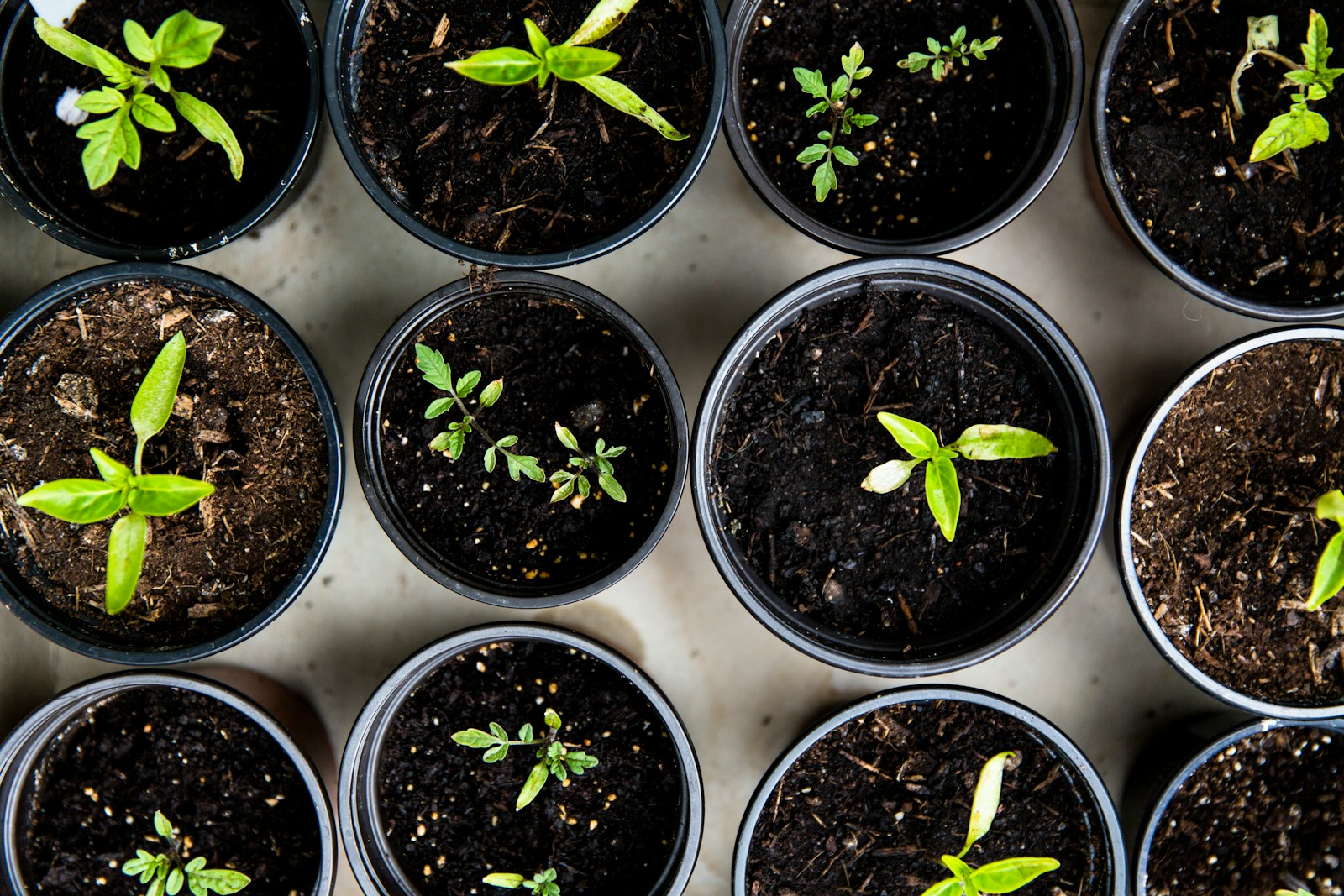
Why Your Seedlings Look Great but Fall Over Overnight
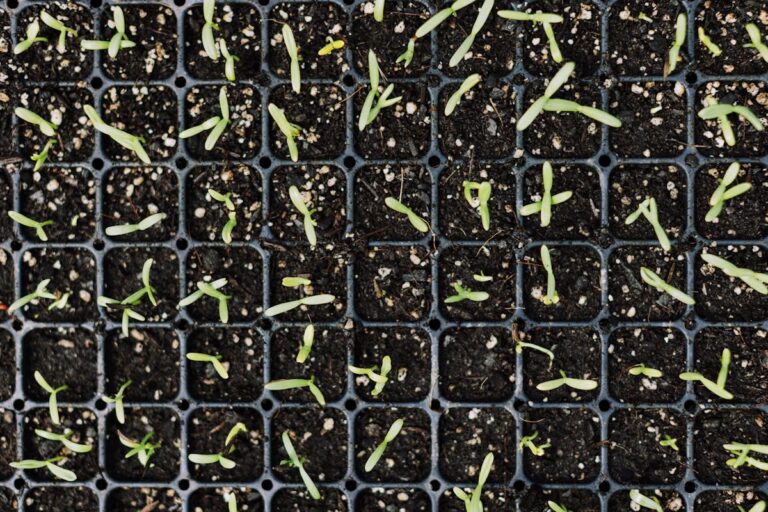
Seedlings are often the proud products of a gardener’s patience and care. You’ve nurtured them from seeds with bright lights, rich soil, and the right moisture levels, only to find them upright one day and collapsed the next. If your seedlings are suddenly falling over, you’re not alone. This phenomenon can be baffling, especially when everything seems to be going well. Let’s explore the common reasons behind this sudden collapse and what you can do to prevent it.
Understanding Seedling Collapse
Before diving into the causes, it’s essential to understand what happens when seedlings collapse. Typically, seedlings collapse due to issues affecting their roots, stems, or overall health. While it may seem to occur overnight, the factors at play often develop over a few days or even weeks.
1. Damping Off Disease
One of the most common culprits of sudden seedling collapse is damping off, a soil-borne fungal disease. Seedlings affected by damping off often appear healthy in the morning, only to droop and die by evening. The fungi thrive in overly moist conditions, especially in crowded trays or containers where air circulation is limited.
Prevention Tips:
Use sterile seed-starting mix to minimize fungal spores.
Avoid overwatering; allow the top inch of soil to dry out before watering again.
Space seedlings properly to ensure good airflow.
Consider using a fan to keep air circulating around your seedlings.
2. Overwatering or Underwatering
While seedlings need consistent moisture, both overwatering and underwatering can lead to collapses. Overwatering can suffocate roots and create an environment where fungi thrive, while underwatering can cause roots to dry out and weaken.
Prevention Tips:
Check the moisture level by sticking your finger into the soil about an inch deep. If it feels dry, it’s time to water.
Ensure your pots have drainage holes to allow excess water to escape.
Water in the morning to give seedlings time to absorb moisture before evening temperatures drop.
3. Nutrient Imbalance
Seedlings, like all plants, require a balance of nutrients to grow strong. An excess of nitrogen can lead to lush, green growth that is weak and susceptible to collapse. Conversely, a deficiency in essential nutrients can weaken plants, making them unable to support their own weight.
Prevention Tips:
Use a balanced, diluted fertilizer once seedlings develop their first true leaves.
Avoid fertilizers that are too high in nitrogen early on; choose a balanced formula.
Regularly monitor your seedlings for signs of nutrient deficiencies, such as yellowing leaves or stunted growth.
4. Insufficient Light
Light is crucial for healthy seedling development. If seedlings do not receive enough light, they may become leggy, stretching toward the light source. This can make them top-heavy and more likely to collapse.
Prevention Tips:
Provide seedlings with 12-16 hours of light each day using grow lights or by placing them in a sunny window.
Rotate your seedlings regularly to ensure even light exposure.
If using grow lights, keep them about 2-4 inches above the seedlings and adjust as they grow.
5. Temperature Fluctuations
Extreme temperature changes can stress seedlings, leading to sudden drops in health. Sudden exposure to cold drafts or intense heat can shock plants, causing them to wilt and collapse.
Prevention Tips:
Maintain a consistent temperature in your growing environment, ideally between 65°F and 75°F during the day and slightly cooler at night.
Avoid placing seedlings near drafty windows or heat sources like radiators.
If moving seedlings outdoors, acclimate them gradually to outdoor conditions in a process known as hardening off.
6. Pests and Diseases
While less common, pests such as aphids or spider mites can weaken seedlings, leading to collapse. Diseases other than damping off, like root rot, can also contribute to sudden wilting.
Prevention Tips:
Regularly inspect seedlings for pests or signs of disease. Look for discolored or deformed leaves.
Use insecticidal soap or neem oil for pest control, and remove any infected plants immediately to prevent the spread of disease.
Ensure good drainage to prevent root rot; avoid letting seedlings sit in waterlogged soil.
7. Physical Damage
Seedlings can sometimes collapse due to physical damage, whether from rough handling, strong winds, or even pets. This type of collapse might not be related to any disease or environmental condition.
Prevention Tips:
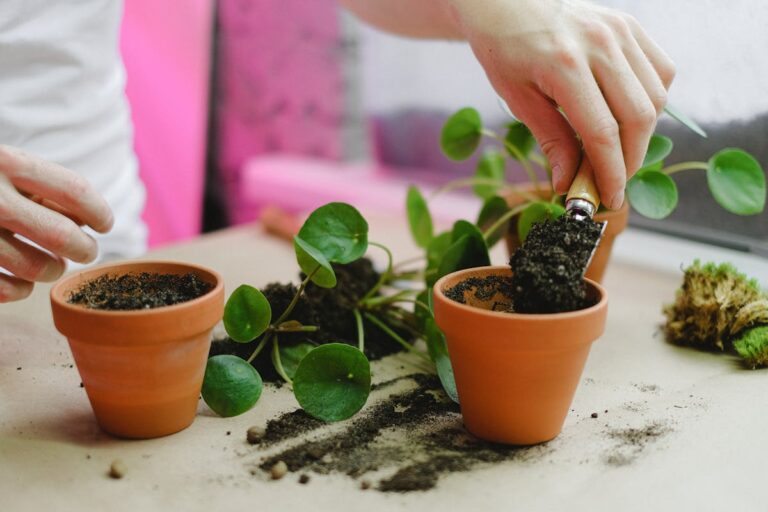
Handle seedlings gently, especially when transplanting.
Protect seedlings from wind and heavy rain by using cloches or temporary structures.
Keep pets away from your seedlings to avoid accidental damage.
Final Thoughts
Watching your seedlings thrive only to have them collapse can be incredibly disheartening. However, by understanding the common causes and implementing preventive measures, you can help ensure your seedlings grow strong and healthy. Remember, gardening is a journey filled with learning experiences, so don’t be discouraged by setbacks. Instead, use them as an opportunity to refine your skills and improve your gardening practices. Happy gardening!