Why Your Seedlings Look Healthy, Then Suddenly Fall Over Overnight
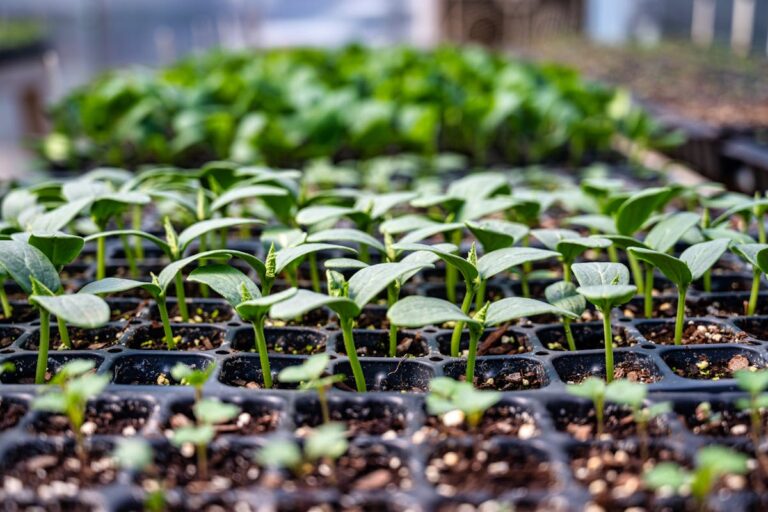
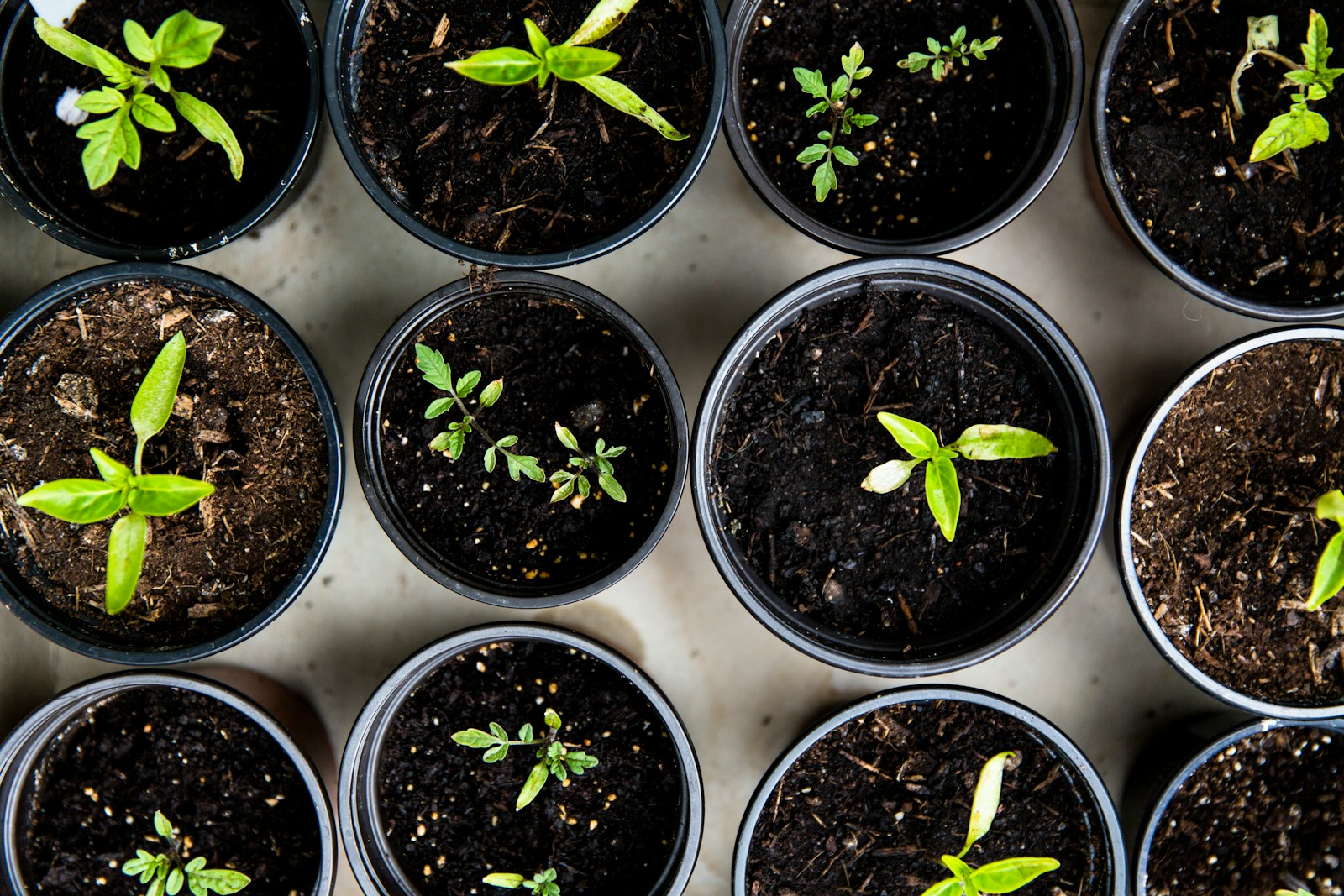
Starting seeds indoors is one of the most exciting parts of gardening season. After weeks of cold weather, watching tiny green sprouts emerge from the soil can feel like the first real sign that spring is on its way.
But many gardeners run into a frustrating problem shortly after their seedlings begin growing.
Everything seems fine at first. The plants sprout, small leaves appear, and the stems begin reaching toward the light.
Then one morning, something strange happens.
The seedlings that looked perfectly healthy the day before have suddenly collapsed.
Their stems appear thin and bent near the soil line, and the entire plant lies flat across the soil. Sometimes several seedlings fall over at once, leaving gardeners wondering what went wrong overnight.
This common issue is known as damping off, and it’s one of the most frustrating problems gardeners face when starting seeds indoors.
What Damping Off Actually Is
Damping off is caused by microscopic fungi that naturally exist in soil. Under certain conditions, these fungi attack young seedlings right where the stem meets the soil.
The infection weakens the stem so quickly that the plant can no longer support itself.
As a result, seedlings that looked perfectly healthy suddenly collapse.
Unfortunately, once damping off occurs, the affected seedlings cannot be saved. The plant tissue becomes too damaged to recover.
However, understanding why it happens can help prevent it from affecting future seedlings.
Too Much Moisture Is Often the Biggest Cause
One of the most common triggers for damping off is overly wet soil.
Seed trays that stay constantly damp create an ideal environment for fungal growth. Many gardeners assume seedlings need very wet soil, but young plants actually prefer slightly moist soil rather than soil that stays soaked.
When trays are watered too frequently, excess moisture can accumulate near the base of the seedlings.
This damp environment allows fungal organisms to multiply rapidly, increasing the chances of infection.
Allowing the soil surface to dry slightly between watering sessions can help reduce this risk.
Poor Air Circulation Can Make the Problem Worse
Another factor many gardeners overlook is airflow.
Seed trays are often placed indoors on windowsills or under grow lights where air movement is limited. When the surrounding air stays still, moisture can linger around the soil surface.
This stagnant environment encourages fungal growth.
Many experienced gardeners place a small fan near their seedlings to keep air moving gently across the plants.
Even light airflow can significantly reduce the conditions that allow damping off to spread.
Humidity Domes Should Be Removed Early
Humidity domes are commonly used when starting seeds because they help retain moisture while seeds germinate.
But leaving the dome on too long can create problems.
Once seedlings begin emerging from the soil, high humidity levels can increase the risk of fungal diseases.
Removing humidity covers shortly after germination allows fresh air to circulate and helps keep moisture levels more balanced.
Crowded Seedlings Can Increase the Risk
Another factor that contributes to damping off is overcrowding.
When many seedlings grow close together, airflow between the plants becomes limited. Moisture also tends to stay trapped between leaves and stems.
This creates another environment where fungal organisms can spread more easily.
Thinning seedlings so that each plant has space can help reduce this risk while also giving the remaining plants more room to grow.
Soil Choice Matters More Than Many Gardeners Realize
Using the right soil mix is also important when starting seeds.
Regular garden soil or reused potting soil may contain pathogens that can harm delicate seedlings.
Seed-starting mixes are designed to provide a cleaner, lighter environment that encourages healthy root development.
These mixes typically drain better and reduce the chances of fungal buildup.
Light and Temperature Still Play a Role
While damping off is primarily caused by fungi, environmental conditions can make seedlings more vulnerable.
Low light levels can weaken young plants, causing them to grow thin and fragile stems. These weaker stems may be more susceptible to infection.
Similarly, temperatures that are too cool or inconsistent can slow seedling growth and create stress.
Most seedlings grow best in temperatures between 65°F and 75°F, which allows them to develop stronger stems and leaves.
How Gardeners Prevent Damping Off
Although damping off cannot be reversed once it occurs, gardeners have developed several simple methods to reduce the risk.
Many people water seedlings from the bottom by placing trays in shallow containers of water. This allows the soil to absorb moisture without constantly wetting the stem area.
Using clean containers and fresh seed-starting mix each season can also help minimize fungal presence.
Providing gentle airflow and removing humidity domes after germination are two of the most effective preventative steps.
Even experienced gardeners occasionally encounter damping off, especially when starting large numbers of seedlings indoors.
But once environmental conditions are adjusted, the remaining seedlings often grow strong and healthy.
For many gardeners, understanding the cause of damping off turns a frustrating experience into a valuable lesson — one that leads to stronger plants throughout the rest of the growing season.