Why Your Tomato Seedlings Suddenly Turn Purple, And What It Usually Means
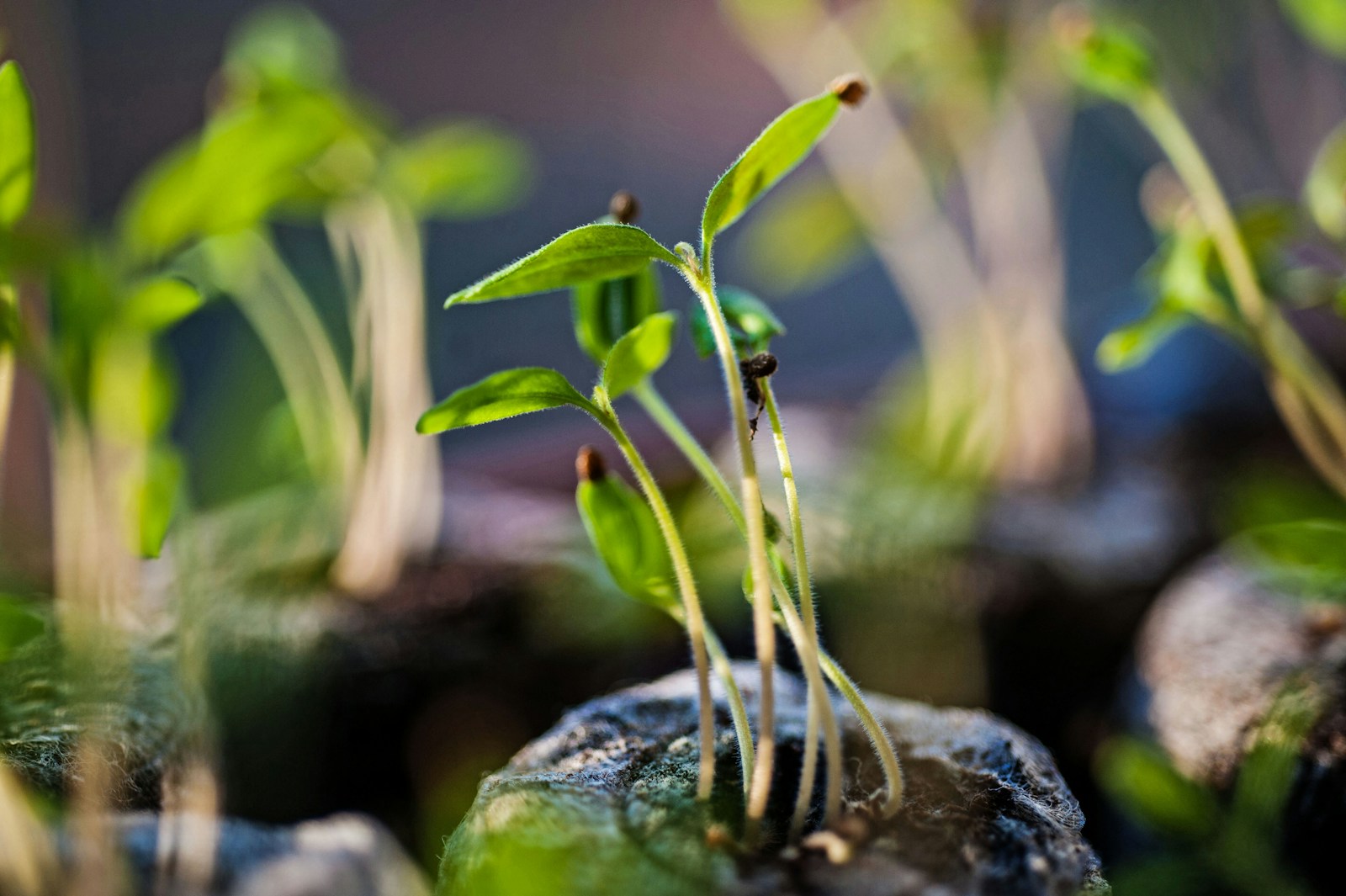
Many gardeners start tomato seeds indoors weeks before the outdoor growing season begins. Watching the first tiny leaves appear can be exciting, especially after a long winter.
But sometimes something unexpected happens.
Instead of bright green leaves, tomato seedlings begin showing a strange purple or reddish tint along their stems or the underside of their leaves. For gardeners who haven’t seen it before, the color change can be alarming.
It often raises the same question:
Is something wrong with the plant?
In most cases, purple tomato seedlings are not a sign that the plant is dying. Instead, they are usually reacting to environmental conditions that can easily be corrected.
Cold Temperatures Are the Most Common Cause
Tomatoes are warm-season plants that prefer consistent temperatures.
When seedlings are exposed to cool conditions, especially at night, they may temporarily turn purple.
This color change happens because the plant struggles to absorb phosphorus when soil temperatures drop. Phosphorus is an important nutrient that supports root development and energy transfer within the plant.
Even if phosphorus is present in the soil, cold roots can prevent the plant from using it properly.
Many gardeners notice this issue when seed trays sit near cold windows or in rooms that cool down significantly overnight.
Once temperatures warm up again, the seedlings often return to their normal green color.
Lighting Can Also Influence Seedling Color
Light intensity can affect tomato seedlings in unexpected ways.
When seedlings receive strong light but relatively cool temperatures, the plant may produce pigments called anthocyanins. These pigments can cause purple or reddish coloring on stems and leaves.
Grow lights positioned very close to seedlings sometimes contribute to this effect if the surrounding temperature remains cool.
Adjusting the lighting height or slightly increasing the room temperature can often correct the issue.
Nutrient Balance Still Matters
Although temperature is the most common cause of purple tomato seedlings, nutrient levels can also play a role.
Seed-starting mixes are usually designed for germination rather than long-term growth. After seedlings develop their first true leaves, they often benefit from light feeding.
A diluted liquid fertilizer can provide nutrients that help seedlings grow stronger and greener.
However, it’s important not to overfeed young plants. Excess fertilizer can damage delicate roots.
When Purple Seedlings Are Nothing to Worry About
In many cases, purple coloring is temporary.
Once tomato seedlings are placed in warmer conditions and receive balanced nutrients, new growth typically returns to its normal green color.
Gardeners often notice that once the plants are transplanted into larger containers with warmer soil, the purple tint disappears completely.
What Experienced Gardeners Usually Do
Most experienced gardeners focus on three simple adjustments when tomato seedlings turn purple:
Maintaining stable temperatures between 65°F and 75°F
Ensuring seedlings receive bright light without excessive cold exposure
Providing light fertilizer once true leaves appear
With these changes, tomato seedlings usually resume healthy growth within a short period.
While the purple color can look dramatic, it is often just the plant responding to its environment — and once conditions improve, tomatoes tend to recover quickly.