Willits, Laytonville and Covelo Gardens Got Back-to-Back Freeze and Frost Alerts This Week, With Lows Forecast as Cold as 28 Degrees
Willits, Laytonville and Covelo sit in the inland valleys of northern Mendocino County, and this week their gardens were flagged by the National Weather Service two mornings in a row. A freeze warning came first, for Thursday, Oct. 29, with lows forecast as cold as 28 degrees. A frost advisory followed for Friday morning, Oct. 30.
Both alerts came from the weather service office in Eureka, which covers California’s North Coast and its interior valleys.
Thursday’s freeze warning in interior Mendocino
The Eureka office issued the freeze warning at 10:53 a.m. Wednesday, Oct. 28, for 1 a.m. to 9 a.m. Thursday. It covered northwestern and northeastern interior Mendocino County and northern Lake County, naming Willits, Covelo, Potter Valley and the Gravelly Valley Airport. Those are the same two interior Mendocino zones that take in Laytonville. Forecasters expected lows as cold as 28.
In that message, the weather service warned that frost and freeze conditions “could kill crops and other sensitive vegetation” and could damage unprotected outdoor plumbing. The same message put a separate frost advisory over coastal and southern interior areas from Del Norte County to coastal Mendocino, with lows down to 33 in places such as Arcata, Garberville and Philo.
Friday’s frost advisory for Willits, Laytonville and Covelo
On Thursday night, Eureka followed with a frost advisory issued at 9:46 p.m. for 1 a.m. to 10 a.m. Friday. That alert named Covelo, Laytonville and Willits, along with Potter Valley, Benbow, Dinsmore and Fieldbrook, across interior Mendocino, interior Humboldt, coastal northern Humboldt and northern Lake County. Lows were forecast as low as 34, cold enough for frost to form.
“Sensitive outdoor plants may be killed if left uncovered,” the advisory said, urging people to “take steps now to protect tender plants from the cold.”
The weather service’s forecast for Willits shows the cold easing after Friday morning. It calls for a Friday night low near 39, a 50% chance of light rain Saturday night with a low near 37, and lows in the upper 30s to around 41 through the middle of next week.
Freeze versus frost, and why the difference matters
The two alerts mean different things. According to the National Weather Service’s guide to cold weather alerts, a frost advisory is issued when frost is expected and could harm sensitive plants, while a freeze warning means temperatures are forecast below 32 degrees for an extended period. The agency says temperatures below freezing can kill some crops and home garden plants, and readings below 28 can kill most of them.
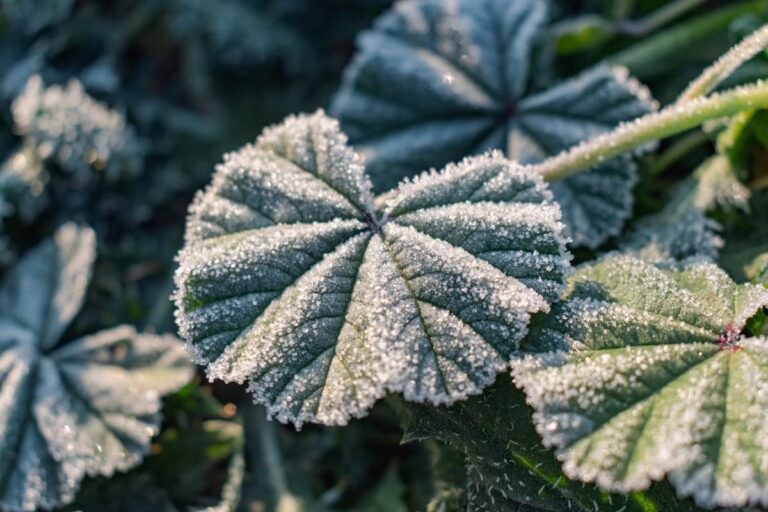
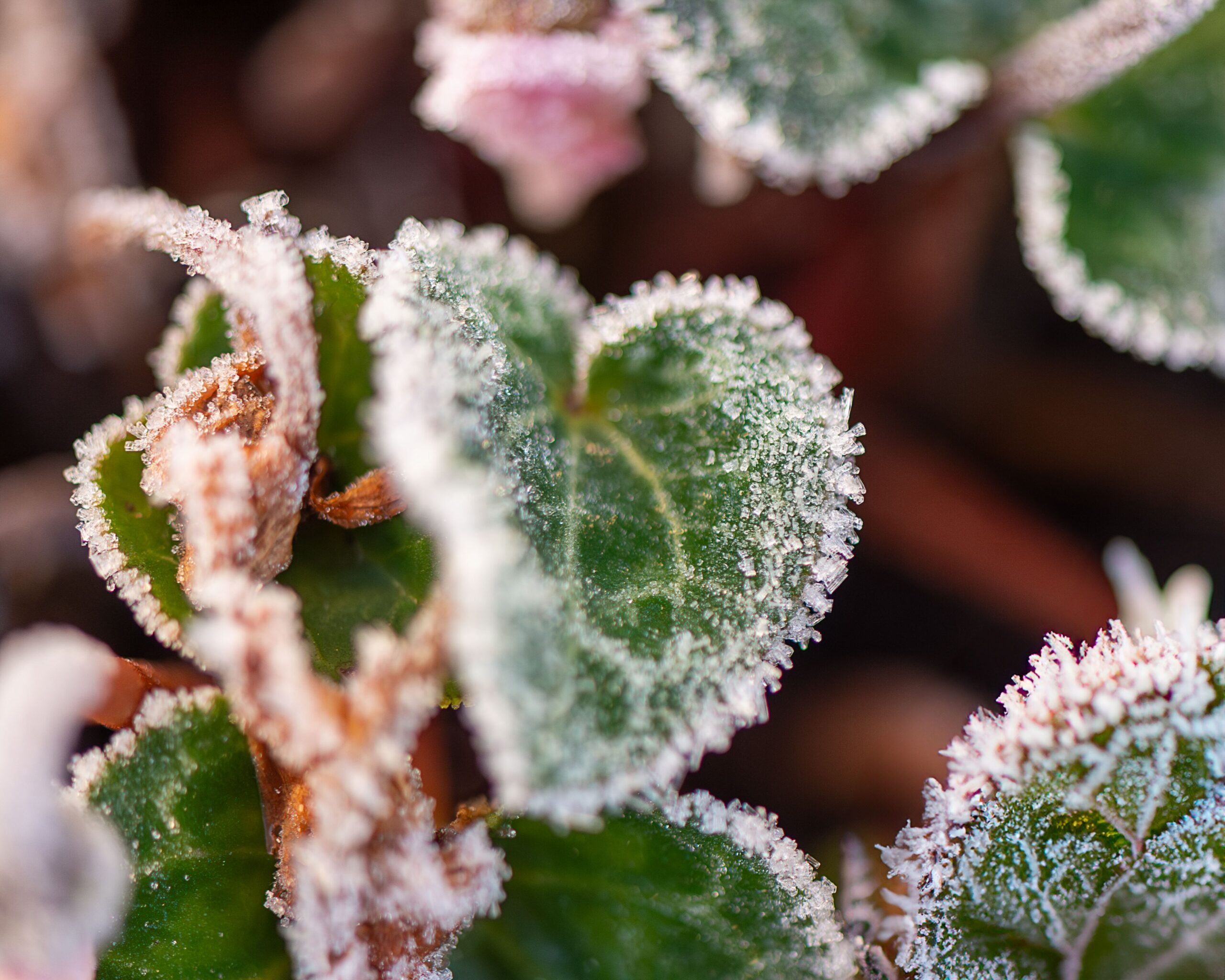
University of California’s Statewide Integrated Pest Management Program draws the same line in its home garden guide to frost. A freeze happens when the air itself reaches 32 degrees or colder. Frost can happen when the air stays slightly above freezing but plant tissue cools to 32 or below as it loses heat, especially on cool, clear nights.
What UC experts advise after two cold mornings
UC IPM recommends watering several days before expected cold, unless the soil is already soggy, because moist soil absorbs and releases heat better than dry soil. For small trees, it suggests covering them in the evening with blankets, frost cloths or tarps that are not plastic, leaving the bottom open to catch ground heat, and removing the covers during the day. The program notes that covers alone do not help much in a true freeze. It also suggests keeping grass and weeds under fruit trees mowed short, so more bare, firm soil is exposed to soak up daytime heat and give it back at night.
The UC Master Gardeners of Sacramento County, in their frost protection guide, say to put covers on before sunset so they trap heat rising from the ground overnight, and to take them off on sunny days once temperatures are above freezing. Frost cloth can rest directly on leaves for a few days at a time, while other covers should be held off the foliage with hoops or stakes. Citrus, succulents, tender perennials and tropical or subtropical plants are most at risk, and young citrus trees in their first four or five years need the most protection.
The Master Gardeners also suggest stringing the older C7 or C9 holiday bulbs, which give off heat, inside the canopy of sensitive plants, using outdoor-rated, grounded cords. LED strings give off little heat and do not help.
For plants that already took a hit this week, both UC sources say to wait before pruning. UC IPM advises leaving dead leaves and twigs in place until new growth appears, since early pruning can remove live wood and leave plants more exposed. The Master Gardeners add that the damaged growth helps shield the crown and roots until the danger of frost has passed. The one exception UC IPM makes is for broken or hanging limbs that could fall and hurt someone, which should come down promptly.
Frost damage is not always obvious the morning after. UC IPM notes that frost can blacken and kill blossoms, young leaves and young fruit, the most tender tissue on a plant, and Washington State University Extension’s frost injury fact sheet says wilting and dieback may not show up until some time after the cold night.
Get stories like this by email. Sign up for The Parent Diaries Letter.
This article was produced with AI assistance and edited for accuracy against the sources linked above.
Image: Ray Best Through the lens – CC BY 2.0/Wikimedia Commons