Winter Blues: 5 Houseplants That Struggle in Cold Months and How to Care for Them
As winter settles in across North America, many houseplant enthusiasts may notice their beloved greens looking less vibrant and more droopy. While some plants thrive in the cooler months, others find winter to be a challenging season. In this article, we’ll explore five houseplants that don’t appreciate winter and provide tips on how to care for them during this harsh time of year.
1. Fiddle Leaf Fig (Ficus lyrata)
The Fiddle Leaf Fig is a popular choice for indoor spaces, known for its large, glossy leaves. However, this plant is particularly sensitive to temperature fluctuations and dry air. During winter, the indoor environment can become quite dry due to heating systems, leading to leaf drop and browning.
Care Tips:
Humidity Matters: Increase humidity around your Fiddle Leaf Fig by placing a humidifier nearby or using a pebble tray filled with water. Regular misting can also help, but avoid getting water on the leaves to prevent mold growth.
Keep Warm: Aim to keep your plant in a warm spot, away from cold drafts and windows. Ideally, temperatures should remain between 60°F and 75°F.
Water Sparingly: Reduce watering during the winter months, allowing the top inch of soil to dry out before watering again.
2. Calathea
Calatheas, with their stunning patterned leaves, are a favorite among houseplant lovers. However, these plants are native to tropical regions and despise cold weather. They thrive in humid environments and can suffer in the dry, cold air of winter.
Care Tips:
Maintain Humidity: Like Fiddle Leaf Figs, Calatheas benefit from higher humidity. Consider grouping your plants together or using a humidity tray.
Avoid Cold Air: Keep Calatheas away from drafty windows and doors. A consistent temperature between 65°F and 80°F is ideal.
Watering Routine: Water when the topsoil feels dry but avoid letting the plant sit in water. Use distilled water if your tap water is high in chlorine or minerals, as Calatheas can be sensitive to these.
3. Spider Plant (Chlorophytum comosum)
Spider Plants are hardy and adaptable but can still feel the winter blues. They prefer temperatures between 65°F and 75°F, and exposure to cold drafts or temperatures below 50°F can lead to stunted growth and yellowing leaves.
Care Tips:
Temperature Control: Make sure to place your Spider Plant in a stable environment away from chilly drafts.
Reduce Watering: Cut back on watering, allowing the soil to dry out slightly between waterings. Spider Plants are surprisingly drought-tolerant.
Light Needs: While they can tolerate low light, providing bright, indirect light will keep your Spider Plant thriving through the winter.
4. Pothos (Epipremnum aureum)
Pothos is a resilient houseplant, but it can also show signs of stress during winter. When temperatures drop or if they’re placed in low light, their growth can slow significantly. They may also develop yellow leaves if they’re overwatered or exposed to cold drafts.
Care Tips:
Avoid Overwatering: Pothos prefers to dry out between waterings. Check the soil moisture with your finger before watering to avoid soggy roots.
Light Requirements: While Pothos can tolerate low light, they do best in bright, indirect light. Rotate the plant occasionally to ensure even growth.
Temperature Awareness: Keep them in a warm spot, ideally above 60°F. Move them away from windows during colder nights.
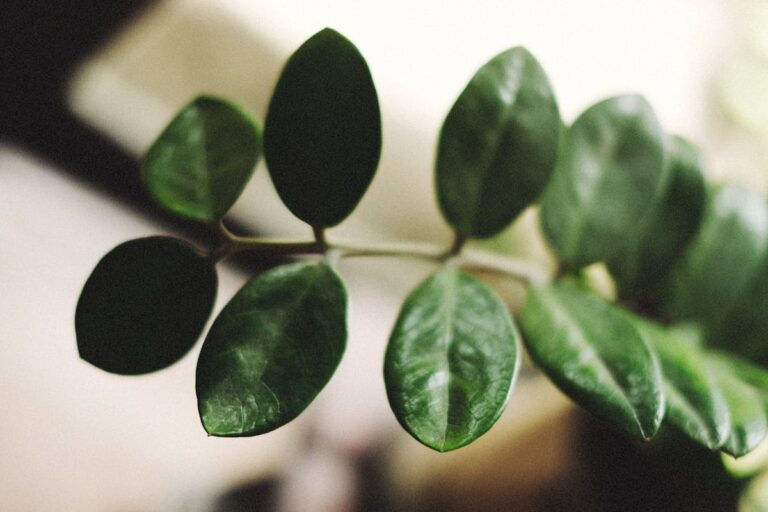
5. ZZ Plant (Zamioculcas zamiifolia)
The ZZ Plant is known for its resilience, but even this hardy plant can struggle during winter months. It thrives in humidity and stable temperatures, which can be hard to find indoors during winter.
Care Tips:
Stable Environment: Ensure your ZZ Plant is not exposed to cold drafts. Temperatures between 65°F and 75°F are best.
Watering Practices: ZZ Plants are drought-tolerant, so it’s better to underwater than overwater. Wait until the soil is completely dry before watering.
Lighting Needs: They thrive in low to bright indirect light. If light levels drop significantly in winter, consider moving them closer to a window for more light.
Final Thoughts
While winter can be a challenging time for certain houseplants, with the right care, you can help them navigate the cold months successfully. Keep an eye on humidity levels, adjust watering routines, and provide stable temperatures to ensure your plants remain healthy and vibrant. By being mindful of their needs, you can enjoy a thriving indoor garden, even in the depths of winter.
So, take a moment to check on your houseplants, and don’t let the winter blues get in the way of your green thumb!