Winter Care for Houseplants: To Fertilize or Not to Fertilize?

As winter approaches, many houseplant enthusiasts find themselves wondering about the best care practices for their leafy companions. One of the most contentious topics during this season is whether or not to continue fertilizing houseplants. This article will delve into the intricacies of winter plant care, providing you with the insights needed to make informed decisions about fertilization during the colder months.
Understanding Plant Growth Cycles
To grasp whether you should stop fertilizing your houseplants in winter, it’s essential to understand their growth cycles. Most houseplants are tropical in origin and have adapted to specific seasonal changes. In winter, many of them enter a period of dormancy, slowing down their growth significantly. This slowdown results from lower light levels and cooler temperatures, which can affect the plant’s metabolic processes.
During dormancy, plants do not require as many nutrients, which leads to the common advice to reduce or cease fertilization. However, this doesn’t mean all plants should be treated the same way. Some species, particularly those that continue to grow slowly in winter, may still benefit from a light feeding.
When to Stop Fertilizing
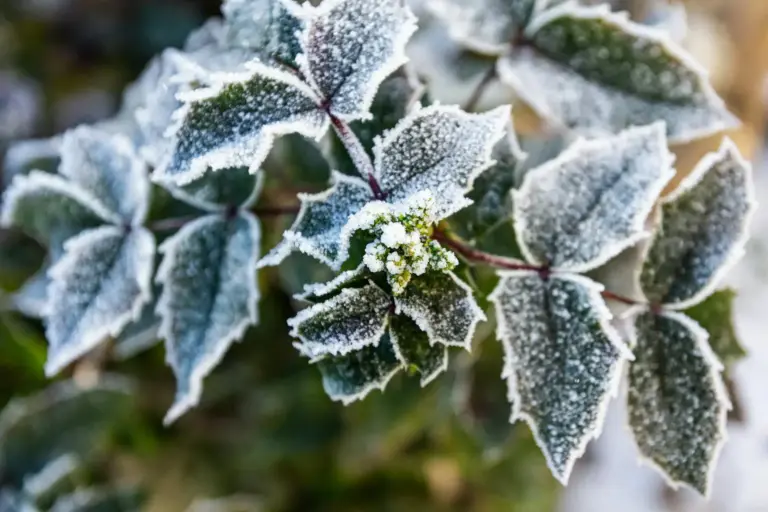
The general rule of thumb is to stop fertilizing most houseplants during the winter months, typically from late fall until early spring. The exact timing can vary depending on your specific environment, but in North America, this usually aligns with the first frost. If you live in a milder climate (such as USDA zones 8-10), some plants may continue to grow and require occasional feeding.
Before you decide to halt fertilization, observe your plants. If they show signs of new growth, such as fresh leaves or extended stems, they may still need nutrients. Conversely, if your plants appear to be resting—dropping leaves or showing stunted growth—it’s a sign that they are entering dormancy and would benefit from a break from fertilization.
Types of Fertilizers to Consider
If you decide to fertilize your houseplants during winter, choosing the right type of fertilizer is crucial. Here are some options:
1. Balanced Fertilizers: A balanced, water-soluble fertilizer with equal parts nitrogen, phosphorus, and potassium (like a 10-10-10 formula) can be beneficial in small doses. Dilute it to half the recommended strength to avoid over-fertilizing.
2. Low Nitrogen Fertilizers: Consider using a low-nitrogen fertilizer, especially if you’re dealing with flowering plants that might need phosphorus and potassium for blooming while still limiting nitrogen to prevent excessive leaf growth.
3. Organic Options: If you prefer organic fertilizers, options like fish emulsion or seaweed extract can provide a gentler nutrient boost. Apply them at half strength and only once a month to prevent plant stress.
Signs Your Plants Need Nutrients
Even during winter, your plants might show signs that they need additional nutrients. Keep an eye out for:
Yellowing Leaves: This can indicate a nutrient deficiency, particularly nitrogen. A light feeding might help.
Stunted Growth: If your plant is not growing at all during the winter months, it may be an indication that it needs a nutrient boost.
Pale or Small New Growth: If new leaves are coming in smaller and paler than usual, it may be time to give your plant a little extra nourishment.
Common Mistakes to Avoid
1. Over-Fertilizing: This is one of the most prevalent mistakes made by houseplant owners. Remember, during dormancy, your plants are not using nutrients as actively. Over-fertilization can lead to root burn and other issues.
2. Ignoring Water Needs: Fertilization should always be accompanied by proper watering practices. In winter, many plants require less water, but it is essential to ensure they don’t dry out completely, especially if you are still fertilizing.
3. Using the Same Schedule Year-Round: Every season brings different needs for your plants. Adjust your fertilization routine to align with their growth cycles rather than sticking to a rigid schedule.
Adjusting Watering Practices
In addition to fertilization, winter is also a critical time to review your watering schedule. As the air becomes drier and plants enter dormancy, their water needs often decrease. Ensure you’re allowing the top inch of soil to dry out before rewatering. Overwatering in winter can lead to root rot, a common problem for houseplants during this season.
Providing Adequate Light
Finally, don’t forget the importance of light during winter. Shorter days and less intense sunlight can pose challenges for houseplants. Consider moving your plants closer to windows or supplementing with grow lights if they seem to be struggling with inadequate light. Proper lighting can help maintain growth during these colder months and ensure that when spring arrives, your plants are ready to thrive.
In Summary
While the general advice is to stop fertilizing houseplants in winter, this rule is not set in stone. Pay attention to the specific needs of your plants and their growth patterns. Whether you choose to fertilize or not, the key is to provide them with the right conditions to thrive through the winter months. With a little observation and care, your houseplants will emerge from dormancy ready to flourish in the spring.