Winter Gardening Tasks That Make Spring 10x Easier To Boost Your Garden’s Growth!
If winter makes you want to hibernate, you’re not alone. But the quieter months can be a secret weapon for gardeners who want a thriving spring.
The work you do now keeps your soil healthy and your plants protected from the cold. When warmer days return, you’ll be glad you put in a little effort.
Simple winter gardening tasks can make your spring gardening smoother and more rewarding. These activities keep your hands busy and your garden ready for a burst of new life.
Mulch Perennials to Protect Roots
Mulching your perennials before winter is a smart way to keep roots warm and protected. A 2 to 3-inch layer of mulch acts like a blanket for your plants.
Try using bark, straw, or shredded leaves to hold in moisture and stop the ground from freezing and thawing too much. This helps prevent stress and damage to your plants.
Mulching also keeps weeds at bay, so you have less to do when spring arrives. Wait until the ground is cold but not frozen before you mulch for the best results.
Plant Cover Crops for Soil Health
Planting cover crops in winter gives your garden a boost. These crops, like rye, clover, and oats, keep your soil covered and healthy when nothing else is growing.
Cover crops add nutrients to the soil, especially nitrogen, and help prevent erosion. Some even keep weeds from taking over, saving you time later.
When you plant them in the fall, they grow through the winter and break down into organic matter. This makes your soil richer and better at holding water.
Starting cover crops is an easy way to improve your garden without extra fertilizers. You’ll notice the difference in spring.
Prune Dead or Damaged Branches
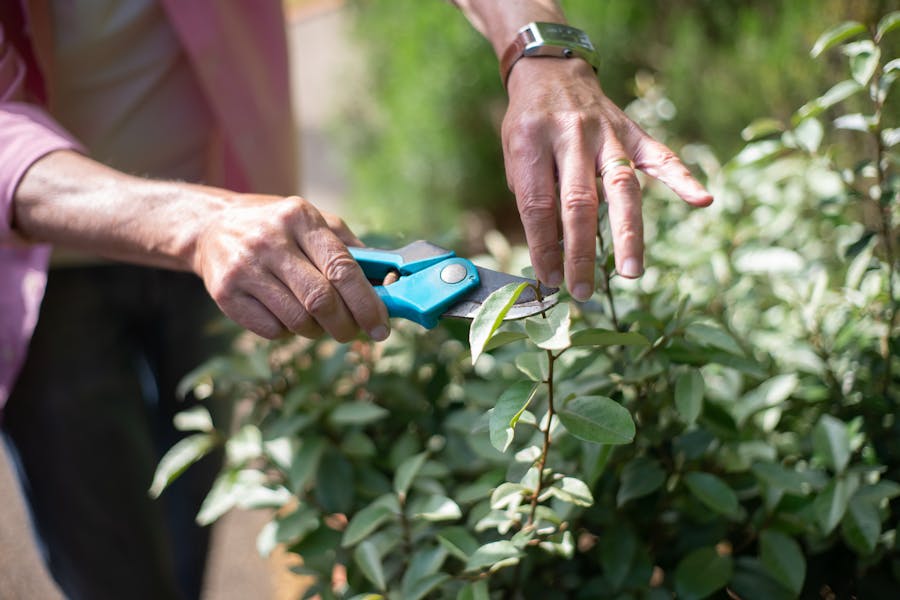
Grab your pruners and tackle any dead or damaged branches you spot. Removing these helps your plants stay healthy and stops disease from spreading.
Winter is the perfect time since most trees and shrubs are dormant. With the leaves gone, it’s easier to see which branches need to go.
Focus on dead, diseased, or damaged branches first. Also look for any that cross or rub against each other.
Use clean, sharp tools for the job. Pruning now gives your plants a fresh start when the growing season begins.
Clean and Sharpen Garden Tools
A little tool care now saves headaches in spring. Clean your garden tools with warm, soapy water and a brush to remove dirt and sap.
Dry tools completely to prevent rust. Sharpen blades on pruners, shears, and shovels with a sharpening stone or file.
After sharpening, add a light coat of oil to protect metal parts. Store everything in a dry spot like a shed or garage.
Your future self will thank you when spring chores roll around.
Add Compost to Beds for Nutrient Boost
Give your garden a head start by adding compost to your beds. Compost is packed with nutrients that help your soil stay healthy.
Spread a layer now so it can mix into the soil over winter. This improves texture and adds beneficial bacteria.
Even unfinished compost or kitchen scraps can help if worked directly into garden beds. Over time, these break down and feed your soil.
Your plants will be ready to thrive when spring arrives.
Order Seeds for Early Spring Planting
Winter is the ideal time to order seeds for your spring garden. Picking out seeds now gives you plenty of time to choose the best varieties.
Ordering early means you won’t miss out on popular seeds that sell quickly. Cool-weather crops like lettuce, peas, and spinach can go fast.
Think about what you’d like to grow—maybe fresh herbs, flowers, or crunchy veggies. Planning now keeps the gardening excitement going.
Early ordering helps you organize your space and start any indoor seed-starting projects. You’ll be ready to plant as soon as the weather warms up.
Insulate Tender Plants with Burlap
Tender plants need extra care in winter. Wrapping them in burlap shields them from cold winds, frost, and snow.
Burlap lets air flow and prevents moisture buildup. Start wrapping before the first big freeze.
Cover the whole plant, especially delicate branches and leaves. Burlap is easy to use—old sacks or new fabric both work.
In spring, remove the burlap gradually so plants can adjust. This simple step keeps your garden healthy through winter.
Start Indoor Seedlings by a Sunny Window
Get a jump on spring by starting seeds indoors. Find a sunny window with plenty of daylight for your seedlings.
Use containers with good drainage and fill them with quality seed-starting soil. Keep the soil lightly damp, not soggy.
Maintain temperatures between 65°F and 75°F. If it’s chilly, a heat mat under the containers can help.
Turn containers daily so seedlings grow straight. When you see the first true leaves, your plants are ready for the next step.
Starting seeds indoors saves money and lets you enjoy green sprouts even when it’s cold out. Your garden will have a strong start come spring.
Clear Fallen Leaves to Prevent Mold
Leaving a layer of wet leaves on your lawn can cause mold and block sunlight. Mold can damage grass and plants by trapping moisture.
Rake leaves away from beds and lawns to keep your garden healthy. This prevents mold and gives you a cleaner space for spring.
Use the leaves for mulch or compost if you like. Clearing leaves now means less trouble later.
Divide and Replant Overcrowded Perennials
Winter is a good time to divide perennials that have become too crowded. Overcrowded plants grow poorly and bloom less.
Carefully dig up the whole plant and separate the roots into smaller sections. Each piece should have roots and shoots.
Replant the divisions right away in fresh soil with plenty of space. Cooler weather helps them settle in without stress.
Dividing perennials gives you extra plants for other spots in your garden. You’ll enjoy fuller, healthier plants come spring.
Soil Health and Nutrient Recharge
Your soil needs some TLC during winter to regain nutrients lost over the season. Adding compost or mulch feeds the microbes that help your plants.
This is also a good time to mix in amendments like lime or bone meal. They take time to work, so starting in winter prepares your soil for spring.
Mulch protects soil from erosion and keeps moisture steady. Covered soil is less likely to dry out or compact.
Early Pest and Disease Prevention
Cleaning up plant debris in winter helps stop pests and diseases from taking hold. Remove dead leaves and stems to prevent problems like fungal spores or insect eggs.
Pruning trees and shrubs now improves airflow and sunlight, reducing mold and mildew. Dormant oils or sprays in late winter can control overwintering pests before they become active.
Taking care of these issues now means fewer headaches when your garden starts growing.
Optimizing Mulch and Cover Crops
Mulch acts as a winter blanket for your garden. Apply a thick layer of organic mulch like straw, leaves, or wood chips to protect soil and keep moisture steady.
Cover crops like clover or rye add nutrients and improve soil structure. When they break down in spring, they feed your plants naturally.
Keep mulch away from plant stems to prevent rot. Smart use of mulch and cover crops sets the stage for a healthier, more productive garden.
Organizing Tools and Supplies
Winter can feel long, but it is the perfect time to get your garden tools ready for action.
Clean off dirt and rust from shovels, pruners, and trowels with warm soapy water and a wire brush. Sharpen blades so pruning is easier when the weather warms up.
After cleaning, add a thin layer of oil to your tools to keep rust away.
Sort through your seed packets and toss any that are expired. Organize gloves, pots, and fertilizers so you can grab what you need without searching.
Make a simple checklist or inventory. Write down any broken tools that need fixing or replacing.