A College Student Came Home to Find His Roommate Had Smashed His Garden Pots After Drinking, Then Realized the One Thing He Couldn’t Replace Wasn’t a Plant
A 20-year-old college student had gradually turned the brightest corner of his shared living room into a tiny indoor garden. His collection included prayer plants, pothos, and a spider plant, all of which had survived the usual student-life neglect and questionable watering schedules. He kept them there because his bedroom was far too dark, and honestly, they made him happier than most of the furniture in the apartment.
Plants With a History
The plants themselves were not particularly rare or expensive, but several of their containers meant much more than their price tags suggested. Some ceramic planters had come from his grandmother, who loved gardening and had encouraged his interest in growing things. Another favorite was a green vase he had bought with his mother during an ordinary grocery trip that somehow became a treasured little memory.
The Roommate Who Was Always Messy
One of the other roommates, a senior named Sean, had always been known for being messy. Dirty dishes, clutter, and forgotten chores were irritating, but they had never seemed serious enough to start a household war over. The student had mostly decided that surviving college housing required accepting a certain amount of chaos.
The Late-Night Homecoming
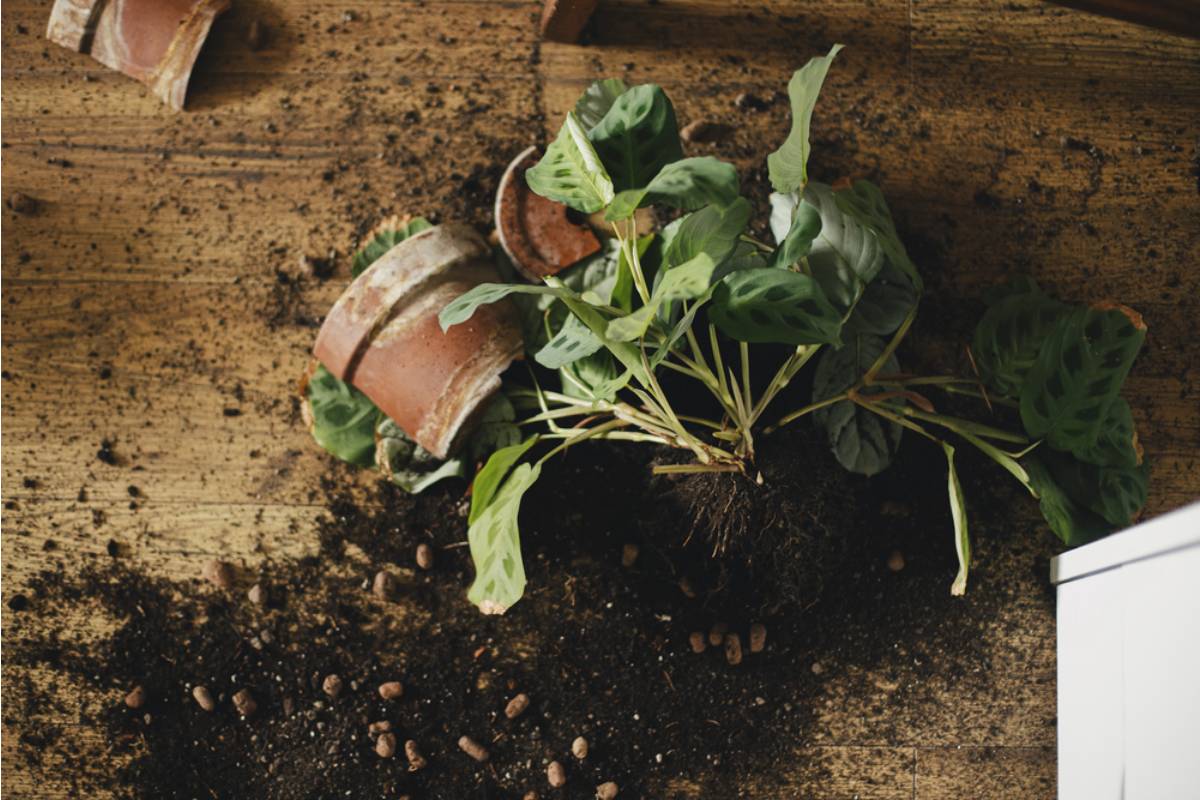
One night, the student returned from work around 1 a.m. expecting to quietly get ready for bed. Instead, he opened the door and found smashed pots, scattered dirt, and pieces of broken glass and ceramic spread across the shared living room. There was even something that looked suspiciously like vomit on the window, making the whole scene feel less like an accident and more like the aftermath of a tiny botanical hurricane.
The Dangerous Part Wasn’t Just the Dirt
At first, seeing the ruined pots made him angry, especially when he recognized the broken ceramic pieces from his grandmother’s planters. But what really pushed him over the edge was realizing nobody had cleaned anything up or even tried to make the area safe. He had just come home from work and was suddenly expected to navigate barefoot-level hazards in the middle of the night.
Somehow, the Plants Survived
Miraculously, most of the plants themselves were still alive despite the destruction surrounding them. The pothos had taken the chaos with almost insulting confidence, while the spider plant looked as though it had merely experienced a particularly dramatic Tuesday. The student carefully moved the surviving plants away from the broken containers and started checking their leaves, stems, and roots.
The Missing Pieces Told the Story
As he cleaned, he realized how much had actually been destroyed. The grandmother’s ceramic planter was gone, the green vase was shattered, and several perfectly usable pots had become piles of sharp fragments. A response from a person pointed out that the containers might eventually be replaced, but sentimental objects were much harder to recreate once they were broken.
Morning Brought an Explanation
The next morning, Sean finally texted and admitted that he had been extremely drunk. He said he could not remember exactly what happened, asked which plants and containers had been damaged, and offered to replace what he could. Later, he apologized in person and seemed genuinely embarrassed by the entire situation.
The Apology Was Better Than the Night Before
The student’s frustration became complicated because Sean was not acting like someone who simply did not care. He accepted responsibility, offered to clean the mess, and seemed to understand why the situation was upsetting. A response from a person noted that genuine accountability mattered, especially compared with someone who would deny the damage or pretend it was no big deal.
But Being Drunk Wasn’t a Magic Eraser
The student still could not accept the idea that being drunk somehow erased responsibility. Getting so intoxicated that you destroy another person’s belongings was one problem, but leaving broken glass scattered around the room created another. Even people defending Sean’s behavior agreed that the destruction itself was serious, even if cleaning up immediately while severely intoxicated might not have been safe.
Then Another Detail Came Out
As people heard more about the situation, one extra detail made the story considerably more uncomfortable. The student had also trusted Sean to look after his pet gecko while he was away, and Sean later admitted that he had forgotten to care for it. Suddenly, the smashed plant pots no longer felt like an isolated clumsy accident and instead looked like part of a much bigger problem with responsibility.
The Garden Became a Safety Zone
After that, the student began thinking differently about where he kept anything valuable. His plants still needed the sunlight pouring through the living-room windows, so moving everything into his dark bedroom was not exactly an option. Still, he started treating that corner of the apartment less like shared decoration and more like a small protected garden that needed safeguards.
The Responses Became Surprisingly Divided
Some people argued that Sean had made a terrible mistake and was doing exactly what someone should do afterward by apologizing and offering to fix it. Others thought the incident was a warning sign that could not simply be ignored because he seemed nice when sober. One response from a person even suggested that the real test would not be the apology but whether Sean managed to prevent the same kind of disaster from happening again.
A Very Expensive Plant Joke
Someone jokingly suggested that the student should demand an extravagant plant as compensation for the damage. The idea quickly became ridiculous, with people imagining rare monsteras and absurdly expensive specimens appearing in the apartment like botanical ransom payments. For a few minutes, the serious argument about responsibility turned into everyone competing to invent the most outrageous replacement plant imaginable.
The Pots Were Never Really About the Pots
Eventually, the student admitted that he was not heartbroken over the surviving plants because, incredibly, they were still doing fine. What bothered him was that someone had destroyed objects tied to his family memories and left him to discover the mess alone. The broken ceramics had been replaceable in theory, but the exact history attached to them was something a garden store could never put back on a shelf.
The Garden Grew Back Anyway
Weeks later, the plants began settling back into their usual routines, stretching toward the windows as though nothing dramatic had happened. New containers slowly replaced some of the broken ones, and the living room once again looked more like a peaceful indoor garden than a crime scene involving potting soil. Yet the student found himself checking the plants a little more often, not because they were fragile, but because he had learned exactly how quickly an ordinary evening could turn into chaos.
The Twist Was in What Survived
In the end, the strangest part of the whole story was that the things everyone expected to be ruined were the things that survived. The pothos, prayer plants, and spider plant bounced back, while the sentimental containers disappeared forever in a single night. The student realized that his little garden had accidentally taught him the same lesson people usually learn much later: sometimes what grows back is not what you originally loved, but it can still become part of the story.
A Different Kind of Gardening Lesson
The incident did not make the student stop gardening, and it certainly did not make him love his plants any less. Instead, it taught him that keeping living things in a shared home requires thinking about the people around them as much as the light, water, and soil. And while Sean’s apology helped, the final lesson was simple enough to stick: a garden can survive broken pots, but trust takes a little longer to grow back.