A Former Roommate Admitted to Deliberately Sabotaging His Housemates, Then His Confession Revealed How Quickly Shared Living Can Turn Into a Garden of Grudges
A person shared her story about a friendship that began during college and eventually took a turn she probably never expected. She and her friend got along well enough that, a couple of years later, they decided to live together in the same apartment. At first, the arrangement seemed like a natural next step for two people who already knew each other. Unfortunately, sharing a home revealed habits that made their friendship increasingly difficult to maintain.
When a Fun Friend Became a Frustrating Roommate
The problems started with everyday responsibilities that should have been simple enough to handle. According to the storyteller, her roommate regularly left messes behind, used other people’s belongings without permission, and failed to follow through on commitments. What might have seemed like minor annoyances at first gradually became a pattern that was hard to ignore. It was the kind of living situation where even a peaceful afternoon at home could feel like another exercise in patience.
The Mess That Never Seemed to End
Keeping a shared home clean requires everyone to do their part, but the storyteller felt that responsibility was not being shared fairly. Rather than consistently cleaning up after herself, her roommate left the storyteller dealing with frustrations that kept piling up. It was a little like tending a garden where one person plants flowers while someone else leaves weeds to spread unchecked. Eventually, even the most patient gardener starts wondering why they are doing all the work.
The Boundaries That Kept Getting Crossed
The trouble was not limited to cleaning, either. The storyteller said her roommate frequently used other people’s things without asking, creating another source of resentment in their shared home. Small boundaries matter when people live together, just as a gardener expects others to respect the plants and tools they have carefully maintained. When those boundaries repeatedly disappear, even ordinary interactions can start to feel like personal insults.
A Romantic Situation That Added More Frustration
The storyteller also described feeling uncomfortable with the way her roommate interacted with men who flirted with her. According to her account, the roommate had a boyfriend she described as practically a fiancé, yet she did not always make that relationship clear to the men showing interest in her. The storyteller once considered mentioning the boyfriend in front of one of those men but ultimately kept quiet. That decision showed how much frustration she was already carrying, even before the household conflict reached its more personal stages.
Competition Was Another Source of Tension
Living together also meant spending time around each other’s hobbies and activities, but even those experiences became frustrating. The storyteller said her roommate would cheat during competitive games in ways that made winning less satisfying for everyone else. What should have been a lighthearted way to relax instead became another reminder of the behavior she disliked. It was as though every friendly activity had acquired its own little patch of weeds.
Gossip Behind Paper-Thin Walls
One particularly uncomfortable detail involved the storyteller’s claim that her roommate gossiped about her despite the apartment having paper-thin walls. That meant private conversations were not necessarily as private as the speaker might have imagined. The storyteller also felt that when she confronted her roommate about questionable behavior, the explanations often changed to make the roommate look better. Trust was becoming increasingly difficult to maintain in a home where even the walls seemed unable to keep things quiet.
Apologies That Did Not Repair the Damage
The storyteller said her roommate sometimes publicly misrepresented things she had done wrong, particularly when the roommate felt insecure. When confronted, the roommate allegedly responded with an apology that focused on the storyteller feeling offended rather than acknowledging the underlying behavior. That distinction mattered because an apology is supposed to help repair a relationship, not simply end an uncomfortable conversation. Over time, the storyteller felt that these exchanges only deepened the resentment already growing between them.
Even the Laundry Became a Point of Conflict
Some household disputes are understandable, but others seem to arrive from completely unexpected directions. The storyteller recalled that her roommate complained about the color of her clean, intact underwear when she did laundry. It was a strangely personal criticism to add to a relationship already strained by messes, gossip, and disagreements. By that point, even an ordinary laundry day seemed capable of producing another reason for irritation.
Support During a Breakup Did Not Last
The storyteller also remembered going through a difficult breakup while the two women were living together. Her roommate initially offered support, which gave the friendship a brief moment of comfort amid the ongoing tension. However, according to the storyteller, that sympathy lasted only about a week before the roommate began criticizing her for not recovering quickly enough. For someone already dealing with heartbreak, being judged for the pace of healing could make home feel even less welcoming.
Resentment Began Replacing Friendship
As the lease continued, the storyteller said her respect for her roommate steadily declined. She eventually reached a point where she tried to remain indifferent because getting angry had become exhausting. That emotional distance may have helped her get through the remaining time under the same roof, but it did not resolve the problems between them. Like a neglected garden, the relationship had accumulated too many unresolved issues to look healthy anymore.
The Growing Pile of Dishes Sparked a Petty Idea
Things took a more mischievous turn when the roommate acquired a new set of dishes. More dishware meant more opportunities for dirty plates and utensils to accumulate in the sink, which only aggravated the storyteller further. She admitted that she was tempted to break a couple of the dishes simply to reduce the number that needed cleaning. Fortunately, she did not follow through with that idea, although her next decision was hardly an example of taking the high road.
The Dishwasher Became an Unlikely Weapon
Instead of breaking anything, the storyteller found a quieter way to express her frustration. She said she sometimes put her roommate’s still-dirty utensils into their unreliable dishwasher, knowing that it was much better at sanitizing than removing stuck-on food. When unloading the machine, she would return the utensils to the roommate’s shelf even when residue remained on them. The result was a petty household cycle in which dishes could appear cleanly put away while still carrying the evidence of their previous meal.
The Houseplants Became Part of the Conflict
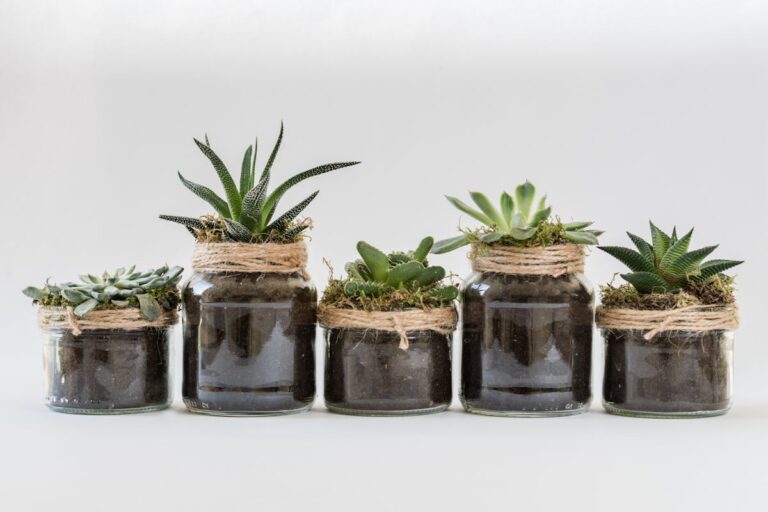
The most surprising twist involved the roommate’s houseplants, which she kept near a window alongside one of the storyteller’s own plants. At one point, the roommate mentioned discovering that she had been overwatering some of her plants. Rather than treating that revelation as a reason to be more careful, the storyteller admitted that she began adding extra water to the roommate’s plants when she was away. For a gardening enthusiast, overwatering is no small matter because roots need oxygen as well as moisture, and too much water can contribute to root problems.
A Monthly Routine Took the Sabotage Further
The confession then revealed an even more unusual detail about the watering routine. The storyteller explained that she boiled water to clean her menstrual cup, allowed the water to cool after removing the cup, and then used it to water her roommate’s plants. She said she repeated this each month, deliberately adding to the overwatering problem she already knew about. What began as resentment over shared living arrangements had turned into a secret gardening scheme that the roommate apparently did not know about.
The Confession Left a Messy Final Question
The storyteller openly acknowledged that she was in the wrong and described the actions as a confession rather than an attempt to justify herself. A response from a person shared a separate experience of retaliating against a former housemate after that person allegedly tampered with expensive hair products, illustrating how quickly roommate disputes can spiral into revenge. Still, neither dirty dishes nor frustrating behavior makes it wise to damage someone else’s belongings or plants. The bigger question is whether the storyteller’s secret retaliation brought any real satisfaction, or whether a direct conversation and a clean break would have been the healthier way to let this friendship finally wilt.