Homeowner Says a Neighbor Quietly Mowed the One Part of Their Yard They Deliberately Let Grow Tall, Then the Reason Behind the Unwanted Lawn Makeover Started a Bigger Neighborhood Argument
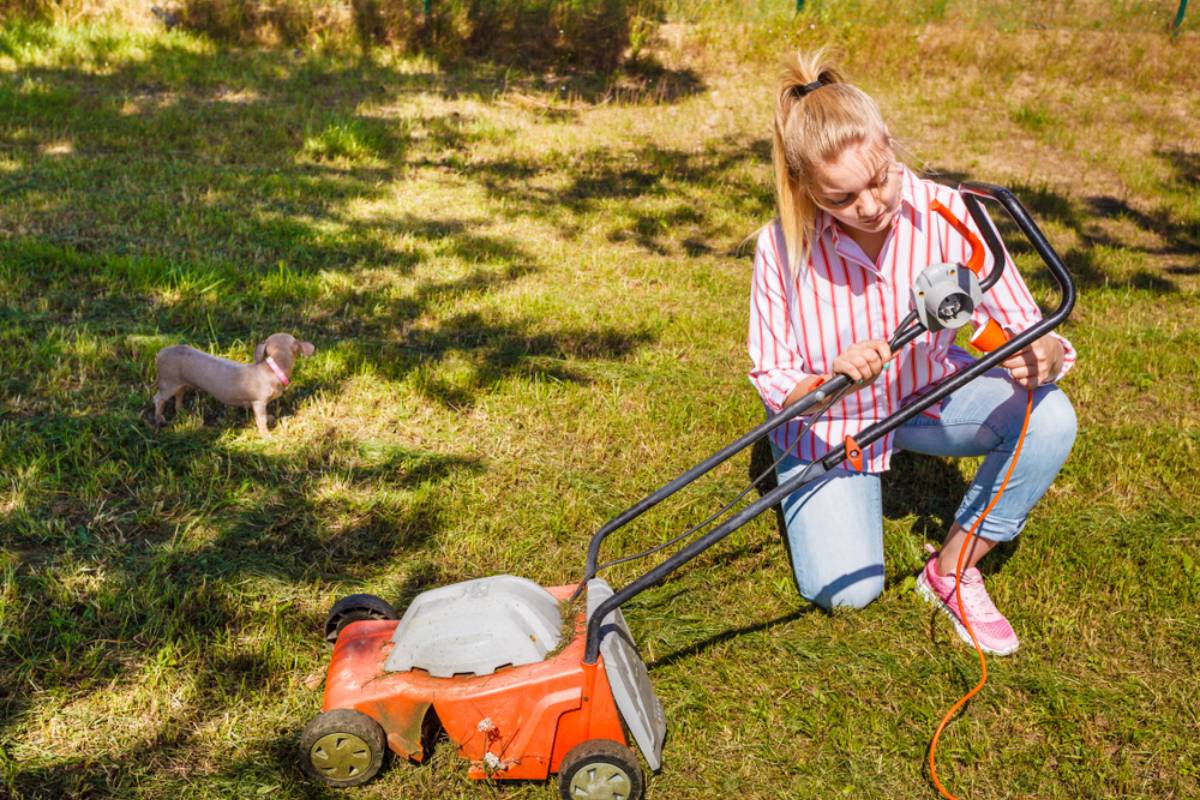
A person shared a story about waking up one morning and discovering that their front lawn had received a surprise makeover. The rest of the yard looked exactly as expected, but the sizeable ditch along the front of the property had suddenly been mowed down. There was only one problem: nobody had been invited to do it.
At first, the situation might have looked like one neighbor simply being helpful. The mower had already done the work, the grass was neatly cut, and nothing appeared obviously damaged. But the homeowner knew that this particular stretch of greenery had been left tall on purpose, which made the mysterious mowing much harder to shrug off.
The Ditch Was Supposed to Look Wild
The homeowner explained that most of the yard was kept neatly trimmed at around one to three inches. The ditch was the exception, and the grass there was deliberately allowed to reach somewhere between eight and ten inches. Rather than being neglected, that area had its own schedule and purpose.
That difference became important once the neighbor started defending his decision. The homeowner was not simply waking up to an overgrown lawn that had been ignored for months. The tall grass was being managed deliberately, and cutting it down without asking meant someone had changed a gardening routine that was already working.
There Was a Reason Behind the Tall Grass
The homeowner had a surprisingly practical reason for letting the ditch grow. Once the grass reached the preferred height, it was easier to rake everything together and collect it for compost piles. Those compost piles were being turned and used to help with landscaping projects in the backyard.
So what looked like careless lawn maintenance from the street was actually part of a bigger garden plan. The tall ditch was essentially supplying material for future improvements elsewhere on the property. By mowing it early, the neighbor had not just changed the appearance of the yard, he had interrupted the homeowner’s system.
The Neighbor Had Apparently Decided to Help
The neighbor did not arrive with a clipboard or ask for permission before starting the mower. Instead, he simply came onto the property and began cutting. When the homeowner confronted him, he offered several explanations rather than a simple apology.
That was where the encounter stopped feeling like an innocent favor. A helpful neighbor might have knocked on the door, pointed out the grass, and asked whether the homeowner wanted it cut. Instead, the decision had already been made before anyone had a chance to answer.
This Was Not the First Time He Had Crossed a Line
The homeowner said there had already been other moments that made them uneasy around this neighbor. On one occasion, the neighbor fixed a mailbox after being told that a replacement was already being arranged. On another, he had casually put his head into the shed while the homeowner was inside.
Each incident could probably have been explained away on its own. Taken together, though, they created a pattern that made the surprise mowing feel less like a random act of kindness. The grass was only the latest place where the property line had apparently become optional.
The Homeowner Was Not Happy About the Surprise
When the homeowner spotted the neighbor mowing, they went outside and started raising their voice. The main complaint was simple: who had given him permission to work on private property? The homeowner wanted the neighbor to understand that the issue was not merely the lawn, but the fact that he had entered and started working without being asked.
The confrontation quickly became uncomfortable because the neighbor kept giving excuses for what he had done. That seemed to make the homeowner even more frustrated. Instead of ending the situation with a quick acknowledgement that he should have asked first, the conversation turned into an argument over whether the mowing had been justified.
There Was Even a Property-Line Strategy
The homeowner later clarified that the entire ditch was not being treated equally. An eight-foot driveway separated the section near the neighbor’s yard from another part of the ditch. Meanwhile, the narrow area directly along the property line was kept much shorter, at roughly half an inch.
That detail made the gardening plan sound far more deliberate than a casual glance would suggest. The homeowner was not letting every blade of grass around the house grow into a miniature meadow. There were specific areas for short grass, specific areas for taller growth, and a reason for each one.
The Yard Was Not Even Breaking the Local Rules
There was another twist hiding in the story. The homeowner lived in a rural area near the border between a city and a township, and technically was not required to follow the city’s blight guidelines. Even so, they chose to keep the ditch below the local ten-inch threshold anyway.
In other words, the homeowner was already keeping an eye on the appearance of the property. They had intentionally set a maximum height and were staying within it. The neighbor had apparently looked at the tall grass and decided it needed fixing, even though the person responsible for the yard did not agree.
Some People Thought the Neighbor Meant Well
Not everyone saw the mower as an act of hostility. One response from a person pointed out that some neighbors genuinely believe they are helping, but continuing after someone has already said no turns that help into disrespect. Another person jokingly described this kind of behavior as something that looks like help but is really something else entirely.
That perspective added a little humor to an otherwise tense situation. There was a clear difference between mowing a neighbor’s lawn as a friendly surprise and repeatedly doing things on their property after being told to stop. Once a boundary has been explained, even well-intentioned gardening can become unwanted interference.
Then Someone Brought Up the Tall Grass
Another response from a person raised a different concern: eight to ten inches of grass can provide a hiding place for ticks and other unwanted critters. From that angle, the neighbor may have looked at the ditch and seen a potential nuisance rather than a carefully maintained part of a composting routine.
The homeowner had an answer ready. They explained that the ditch was intentionally left tall so it could be raked up and moved into compost piles for future landscaping work. Suddenly, the apparently messy grass had a second life waiting for it, and the lawn began to look less neglected and more like raw material for the garden.
But Then the Neighborhood Argument Got Bigger
Some people believed the homeowner was completely justified in being angry. They argued that private property means exactly that, especially when the owner has already made it clear that uninvited projects are not welcome. The possibility of someone being injured while using machinery on another person’s property also made the situation more complicated.
Others thought the homeowner had missed an opportunity to turn an awkward moment into neighborly cooperation. They described situations where nearby homeowners routinely mow each other’s lawns, shovel snow, trim branches, or exchange small favors. From that perspective, the real problem was not the mowing itself, but the fact that nobody had agreed on the arrangement.
One Neighbor’s Story Offered a Completely Different Ending
A particularly interesting response came from a person who described having once dealt with a neighbor who seemed uncomfortable with friendly interaction. Rather than pushing the relationship, they backed off and gave the neighbor plenty of space. Much later, the neighbor explained the situation, and the two eventually became close friends who regularly shared food and looked out for each other.
That story highlighted what the homeowner’s mower-owning neighbor had failed to do: listen. A person can be generous without assuming generosity is always wanted. Sometimes the kindest thing a neighbor can do is wait for an invitation before stepping across the garden gate.
Another Helpful Neighbor Had a Better Method
Someone else shared a story about an older neighbor who once mowed a difficult grassy slope while the homeowner was away. The slope was awkward and potentially dangerous, but instead of taking over permanently, the neighbor eventually explained a clever rope-based method for handling the mower safely. What started as an unexpected favor turned into a shared routine where the neighbors occasionally helped each other.
The difference was communication. Nobody had to guess what the other person wanted, and nobody had to defend an unwanted landscaping decision after the fact. The lawn got maintained, the neighbors became more cooperative, and the entire arrangement worked because both sides actually agreed to it.
The Real Problem Was Never the Grass
By the end of the story, the tall ditch almost seemed like the least important part of the dispute. The homeowner had a gardening system, a composting plan, and a specific way of maintaining the property. What upset them most was having that system changed without permission by someone who had already crossed other boundaries.
That is what made the situation so interesting for any gardener who has ever had a neighbor with strong opinions about lawns. A yard can look messy, neat, wild, formal, productive, or completely unconventional, and the person looking at it from the sidewalk may not know the plan behind it. Sometimes the most carefully designed garden looks like chaos to someone who was never invited to see the blueprint.
The Surprise Mowing Left One Big Question
The homeowner ultimately wanted to know whether they had gone too far by confronting the neighbor loudly. Some people felt the anger was understandable because the neighbor had entered private property without permission. Others believed the confrontation could have been calmer, especially if the neighbor genuinely believed he was doing a favor.
But there was a twist hiding in plain sight. The ditch that sparked the argument was not abandoned grass waiting for rescue, it was part of the homeowner’s composting and landscaping cycle. The neighbor thought he was improving the yard, while the homeowner knew he had actually interrupted the garden.
Sometimes the Best Yard Work Is the Work Nobody Does
For gardeners, there is an easy lesson buried underneath the neighborhood drama. Not every tall patch of grass is a forgotten chore, and not every untidy corner needs rescuing with a mower. Some spaces are deliberately left wild, some are gathering mulch and compost material, and some are simply waiting for the next stage of a larger landscaping project.
The strangest part is that the homeowner and neighbor may both have believed they were doing what was best for the property. One saw an overgrown ditch that needed attention, while the other saw useful material growing exactly where it was supposed to. And sometimes, the hardest thing for a neighbor to understand is that the most helpful thing they can do for someone else’s garden is simply leave the mower parked.