A Gardener Let Every Outdoor Potted Plant Die During a Difficult Summer, Then Discovered Her Soil and Pots Could Become the Beginning of a Comeback
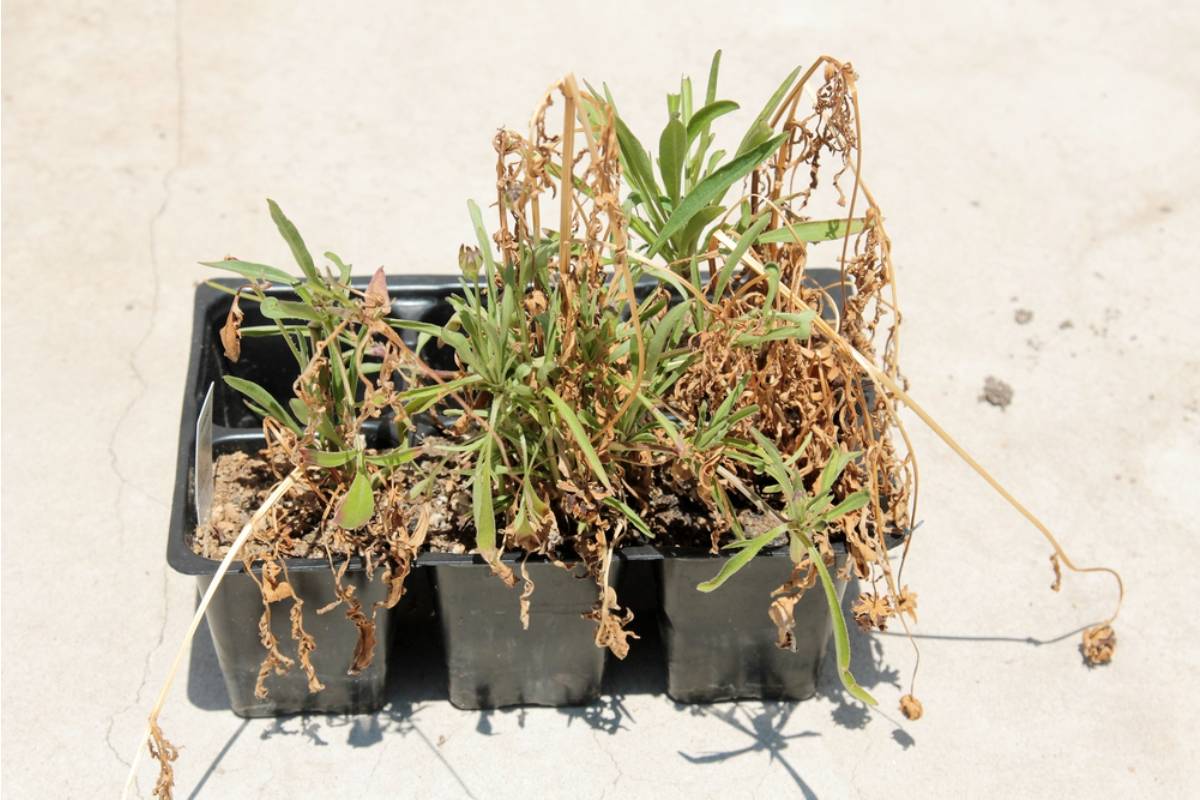
A gardener shared her story after realizing that nearly every outdoor potted plant on her patio had died. She had stopped watering them during a difficult period when even ordinary gardening tasks felt like too much work. By the time she finally looked closely at the collection again, the once-colorful patio had become a collection of brown stems, empty foliage, and painfully dry soil.
For a while, she considered simply throwing everything away and pretending the season had never happened. Then she looked at the expensive pots and remembered how much she had paid for the potting mix inside them. The plants might have been gone, but the gardener wondered whether the garden itself could still be rescued.
She Wanted to Save More Than the Pots
The biggest question was what to do with all that old soil. Most of the containers were plastic or resin, with one metal pot mixed into the collection. She wondered whether she should leave everything outside through winter or empty the containers and stack them somewhere protected.
The thought of buying an entirely new supply of potting mix the following spring was especially frustrating. She already planned to add compost and other amendments next year, so throwing away perfectly usable soil seemed wasteful. The gardener decided that before making any dramatic decisions, she needed to understand whether the garden had actually been ruined or simply paused.
A Simple Suggestion Changed Everything
A response from a person suggested that the easiest solution might be to remove the dead plants and leave the soil where it was. The gardener was surprised by how uncomplicated the advice sounded. There was apparently no requirement to perform a massive autumn cleanup just because the plants had failed.
The idea was to let the pots sit until spring and deal with the soil when the weather improved. The gardener began imagining herself dumping everything into one large container, mixing it together, and adding fresh material before planting again. Suddenly, next year’s garden did not seem nearly as expensive as she had feared.
The Dead Roots Did Not Have to Be the Enemy
Another response from a person pointed out that small pieces of roots could simply decompose in the soil. That meant the gardener did not necessarily need to obsess over removing every tiny root fragment from every container. Nature was already equipped to break down some of the leftovers while the garden rested.
The idea was oddly comforting. What looked like evidence of failure could eventually become organic material for the next crop. The gardener had spent the summer thinking she had lost everything, only to discover that part of the garden’s remains could still contribute to what came next.
Then Winter Became the Real Problem
The discussion shifted when someone explained that winter weather could be harder on pots than the dead plants had been. Soil holds water, and freezing conditions can cause moisture to expand inside containers. In some situations, that repeated freezing and thawing can crack or damage pots that are left outdoors.
This immediately made the gardener reconsider her patio storage plan. Plastic and resin containers were more forgiving than fragile ceramic or terracotta, but they could still become brittle after repeated exposure to harsh weather. The question was no longer just what to do with the soil, but how to keep the containers themselves alive until spring.
A Garage Suddenly Looked Very Valuable
Several people suggested moving the pots into a garage, shed, or another sheltered location. The gardener liked the idea because it solved multiple problems at once. The containers could remain filled with soil while being protected from excessive moisture and freezing cycles.
She imagined lining the pots up in a corner and forgetting about them until the weather improved. Compared with carefully cleaning every container immediately, it sounded wonderfully low-effort. After such a difficult season, low-effort suddenly seemed like the most appealing gardening strategy imaginable.
Someone Had Been Doing This for Years
A response from a person described a routine that sounded almost suspiciously easy. They simply kept their used potting soil in the containers over winter and dealt with everything in a wheelbarrow when spring returned. At that point, they mixed the soil together, added fertilizer or fresh material, and reused it.
The gardener realized that she had been treating the end of the season as though every pot required a complicated funeral ceremony. In reality, some gardeners simply let the containers sit there and waited for better weather. Her collection of neglected pots suddenly looked less like a graveyard and more like a storage system.
The Patio Was Beginning to Look Like a Soil Bank
Another response from a person explained that some gardeners dump their old container soil into a large tub or other storage container. That approach keeps the material together while making it easier to mix and refresh later. It also makes the spring preparation process much more organized.
The gardener started considering a large storage bin of her own. Instead of handling dozens of individual pots, she could consolidate the soil and work with one manageable pile when she felt ready. The garden was slowly turning into a project for the future rather than another source of guilt.
Then Someone Mentioned a Surprisingly Good Use for Dead Plants
One response from a person suggested chopping up some dead plant material and allowing it to contribute organic matter. The idea sounded strange at first because the gardener had been thinking of the dried stems as rubbish. Yet the basic concept of returning plant material to the soil suddenly made sense.
Of course, not every diseased plant should automatically be recycled into future growing media. Still, healthy dead material can sometimes become part of a larger composting process. The gardener realized she did not need to view every brown stem as evidence of failure; some of it could become part of the garden’s next chapter.
The Metal Pot Needed Special Attention
The one metal container in the collection created another small complication. Unlike plastic, metal could potentially develop rust if left exposed to damp conditions for months. A response from a person recommended placing the metal pot somewhere protected, even if the other containers remained outside.
The advice made the gardener laugh because she had originally assumed all her pots could be treated exactly the same. Instead, every material had its own little personality. The plastic containers wanted protection from brittleness, while the metal one seemed determined to start a completely different battle with winter.
A Fresh Bag of Soil Was Not Necessarily the Answer
Someone suggested that the gardener could replace part of the old soil instead of throwing all of it away. By adding fresh potting mix, compost, and appropriate fertilizer in spring, she could restore much of the growing medium without starting from zero. That option immediately appealed to her budget-conscious side.
She had originally pictured herself buying bags and bags of new soil because the old material looked exhausted. Now she understood that appearance did not automatically mean uselessness. The soil had supported an entire growing season, and with thoughtful refreshing, it could potentially support another one.
One Person Even Had a More Ambitious Plan
Then a response from a person proposed a much more elaborate idea involving composting and worms. The suggestion involved combining old potting mix with organic material and creating a protected environment where worms could help transform the mixture. It was certainly more ambitious than simply stacking pots in a garage.
The gardener found the idea fascinating but immediately spotted the problem with keeping anything warm during a cold winter. Her imagination produced the image of someone carrying a worm bin around the house while snow piled up outside. She decided that she might save vermicomposting for another day and stick with the wonderfully boring option of storing her soil.
The Gardeners With Less Energy Had the Best Advice
The most memorable responses were not necessarily about fertilizer or storage. Several people simply told the gardener that sometimes plants die because people are exhausted, overwhelmed, or dealing with more important things. One person shared that they had looked at their own struggling plants and realized they simply did not have enough energy to care about them.
That perspective hit the gardener harder than any technical gardening tip. Her dead plants had made her feel guilty, but she was beginning to understand that a difficult season did not erase all the joy she had experienced before it. Sometimes keeping yourself going matters more than keeping every basil plant alive.
Then She Discovered One Plant Was Still Fighting
Just when the gardener had accepted that the season was completely over, she discovered something unexpected. Her favorite plant had survived, despite everything that had happened around it. Even better, she had managed to propagate it so that she could have new plants waiting for the following season.
That tiny victory changed the emotional ending of the entire story. The patio was still full of dead plants, but now one living survivor represented everything that had not been lost. The gardener had proof that even after a season of neglect, something could remain alive long enough to begin again.
The Pots Were No Longer Symbols of Failure
The gardener eventually stopped seeing the empty pots as reminders of what had gone wrong. She began thinking of them as containers waiting for their next assignment. The soil would be stored, refreshed, and reused, while the plastic and resin pots could be cleaned and stacked safely for spring.
Even the bare patio started to feel less depressing. The season had ended badly, but the tools of the next season were already sitting there. Nothing needed to happen immediately because the garden could wait while the gardener took care of herself.
Spring Started Before Winter Even Arrived
By the end of the discussion, the gardener had a rough plan. She would remove the dead plants, protect the containers from harsh winter conditions where practical, save the usable soil, and refresh it with compost and amendments when spring returned. Most importantly, she would not treat the failed season as proof that she was a bad gardener.
The twist was that the dead plants had not actually ended her gardening story. They had forced her to discover a simpler way to store soil, protect pots, reduce waste, and plan for the next growing season. Sometimes a garden does not need a perfect ending; it just needs one stubborn surviving plant to remind you that there is always another spring.