Gardener Says Her HOA Fined Her for Growing Vegetables in Pots on Her Own Patio, Now She’s Taking the Fight to a Lawyer
Elaine Parker had lived in her condominium community for six years without any major issues. She paid her HOA dues on time, attended occasional meetings, and generally stayed out of neighborhood disputes. Gardening had become her favorite hobby after retiring from a long career in healthcare.
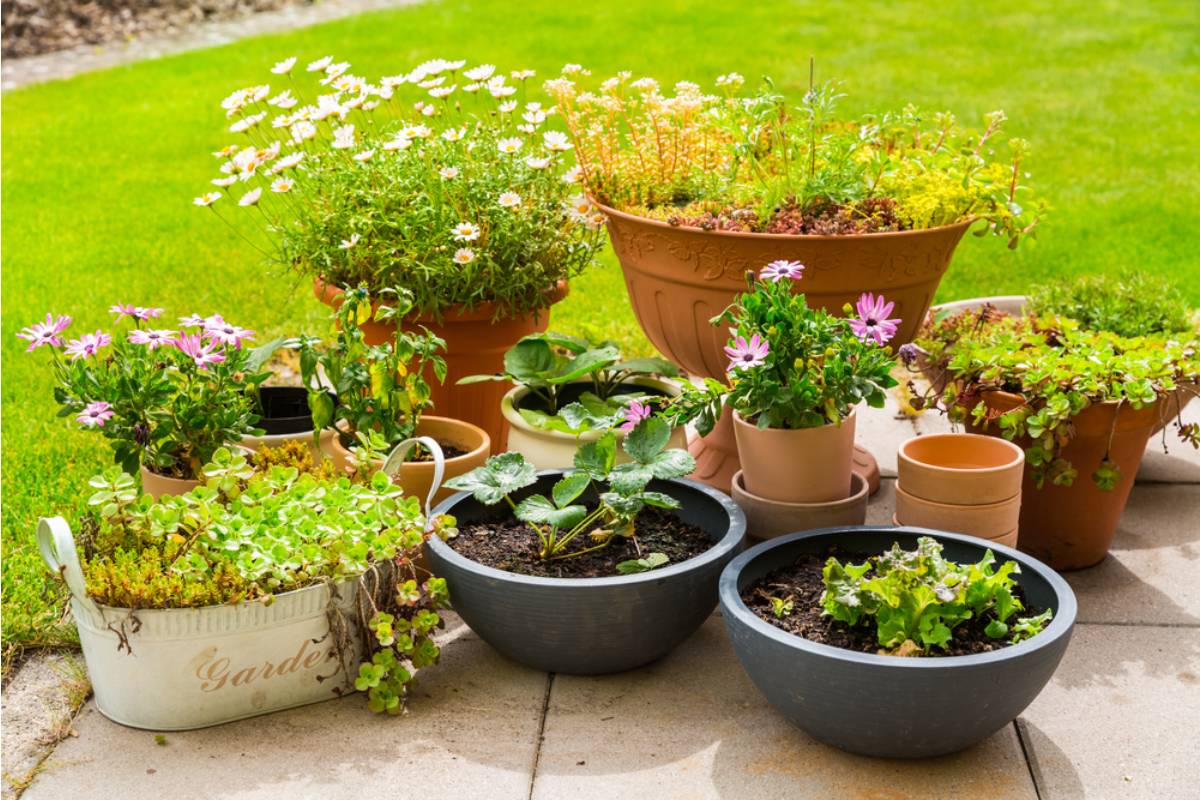
She started with a few potted herbs on her patio and gradually added tomatoes, peppers, lettuce, and cucumbers. Everything seemed harmless until an envelope from the HOA arrived in her mailbox and changed everything.
An Unexpected Notice on the Kitchen Counter
Elaine opened the letter expecting a routine community update. Instead, she found a violation notice stating that her vegetable containers were not permitted under community appearance guidelines. The notice demanded their removal within two weeks and included a fine. She read the letter three times because she genuinely thought there had been a mistake. The plants were neatly arranged in matching pots and hidden behind the patio railing. Nothing about them seemed disruptive or unsightly.
A Phone Call That Raised More Questions
Determined to resolve the issue quickly, Elaine called the HOA management office. She asked which rule specifically prohibited vegetables grown in containers. The representative struggled to answer and eventually referred her to a section about maintaining a consistent aesthetic appearance. When Elaine pointed out that flowers in pots were visible all over the community, the representative became noticeably uncomfortable. The call ended without any clear explanation.
Neighbors Begin Comparing Notes
Elaine started talking with nearby residents and discovered something surprising. Several neighbors had decorative flower pots covering their patios, while one resident even maintained a collection of potted citrus trees. None of them had received violation notices. People began questioning why vegetables seemed to be treated differently. The inconsistency fueled frustration throughout the community. What initially seemed like a personal dispute quickly attracted broader attention.
The Meeting Room Turns Tense
At the next HOA board meeting, Elaine appeared with photographs of other patios throughout the neighborhood. She calmly asked board members to explain the difference between a tomato plant and an ornamental plant. The room became awkwardly silent. One board member suggested vegetables created a “garden-like appearance” that was inconsistent with community standards. Several homeowners immediately challenged that reasoning, leading to heated exchanges across the room.
A Board Member Makes a Costly Remark
As the discussion continued, one board member made a comment that changed the entire situation. He stated that vegetable gardens made the community look “less upscale” and could affect property values. Multiple residents reacted negatively. One homeowner stood up and pointed out that many people were growing food because grocery prices had increased. The remark spread through neighborhood social media groups within hours and generated significant backlash.
More Fines Arrive
Rather than backing down, the HOA issued additional fines after Elaine refused to remove her plants. The notices arrived regularly and cited continuing noncompliance. Elaine became increasingly frustrated because no one could identify a rule explicitly banning vegetables. Friends urged her to simply remove the containers and move on. Instead, she became more determined to challenge what she believed was arbitrary enforcement.
A Hidden Email Changes the Conversation
A sympathetic resident quietly forwarded Elaine an email chain that had circulated among community volunteers. In the messages, several board members discussed concerns that vegetable gardens would encourage more residents to start growing food. The discussions focused heavily on appearances rather than any actual rule violations. Elaine was stunned by what she read. For the first time, she felt she had evidence that the enforcement was selective.
Local Media Takes Interest
One neighbor contacted a local reporter who covered community disputes. After reviewing the situation, the reporter interviewed Elaine and several residents. The story attracted attention because many viewers found the issue relatable. Photos of her neatly maintained patio appeared online alongside images of decorative flower displays that faced no restrictions. Public reaction overwhelmingly favored Elaine. The HOA suddenly found itself answering uncomfortable questions.
A Visit From an Attorney
Encouraged by growing support, Elaine scheduled a consultation with a lawyer experienced in homeowner association disputes. She arrived carrying a binder filled with notices, photographs, emails, and meeting records. The attorney spent nearly an hour reviewing the materials. By the end of the meeting, he appeared far more interested than she expected. He explained that inconsistent enforcement often created legal vulnerabilities for associations.
Board Members Start Disagreeing Publicly
The controversy soon created divisions within the HOA board itself. Some members argued the fines should be withdrawn before the dispute escalated further. Others insisted that backing down would weaken the board’s authority. Residents attending meetings witnessed disagreements that had previously occurred behind closed doors. The unity the board once projected began to crack. Homeowners started questioning other decisions as well.
An Election Nobody Saw Coming
As frustration spread throughout the community, several residents announced plans to run for open board positions. Their campaigns focused on transparency and consistent rule enforcement. Elaine never intended to become involved in community politics, yet people frequently approached her for updates and advice. What started as a disagreement over a few containers had evolved into a larger debate about governance. The upcoming election became the most discussed topic in the neighborhood.
Settlement Discussions Begin Quietly
Not long after receiving a formal letter from Elaine’s attorney, the HOA’s legal counsel reached out privately. Discussions began regarding the fines and the interpretation of community rules. Board members who had previously sounded confident became noticeably quieter. Residents noticed certain agenda items suddenly disappearing from meeting schedules. Rumors spread that negotiations were underway behind the scenes.
A Packed Meeting Delivers the Final Twist
The next community meeting attracted more residents than anyone could remember. After a lengthy closed session, the board returned with an announcement. The fines against Elaine would be withdrawn, and the association would revise its guidelines to clearly distinguish between prohibited structures and ordinary container plants. Applause erupted across the room. Several homeowners later joked that a few tomato plants had accomplished what years of complaints never could.
Fresh Produce Becomes a Symbol
Months later, Elaine’s patio remained filled with vegetables, herbs, and flowering plants. New guidelines allowed residents to grow food in containers as long as they remained well maintained. The dispute that once threatened legal action had transformed community policies instead. Neighbors regularly stopped by to ask gardening questions or exchange growing tips. What began with a violation notice ultimately turned into a movement that reshaped the neighborhood.