Gardener Says Her Mother-in-Law Spent the Visit “Improving” the Herb Garden, Now Every Plant She Was Growing for a Recipe Passed Down From Her Grandmother Is Gone
When my mother in law, Carol, announced she wanted to spend a long weekend with us, I welcomed the visit. She had always loved gardening and proudly described herself as someone who could “fix” any outdoor space in a single afternoon. I assumed we would spend time sharing meals, catching up, and maybe pulling a few weeds together.
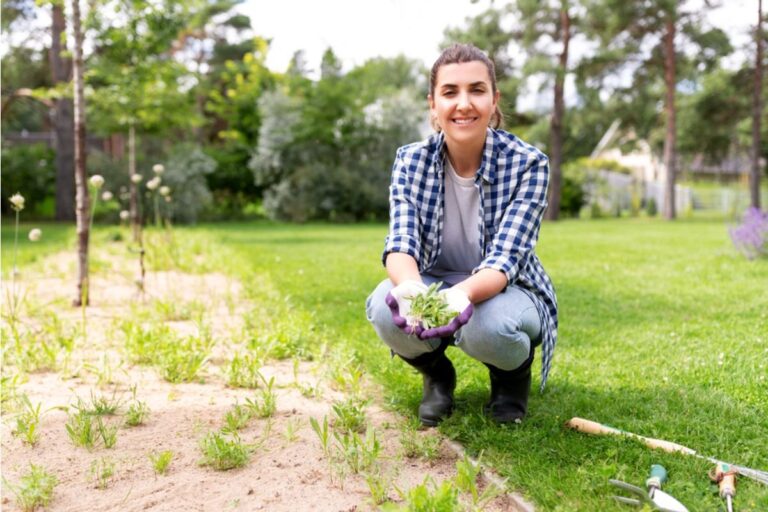
Instead, I came home from a grocery trip to find her smiling proudly beside my herb garden with muddy gloves on her hands. She said she had spent the afternoon “improving” it while I was gone. I thanked her at first, but the moment I looked closer, I realized the one section I treasured most had completely disappeared.
The Garden Held a Family Tradition
The small herb bed beside my kitchen was unlike the rest of the yard. Every plant in that section had been chosen for one reason. My late grandmother had passed down a handwritten recipe for a family stuffing that appeared on our table every Thanksgiving, Christmas, and nearly every important gathering.
She insisted fresh herbs made all the difference. For years I searched for the same varieties she had grown in her own backyard. Each season I saved seeds and divided healthy plants so the garden carried on the tradition she started decades earlier.
Carol Studied the Garden With Curious Eyes
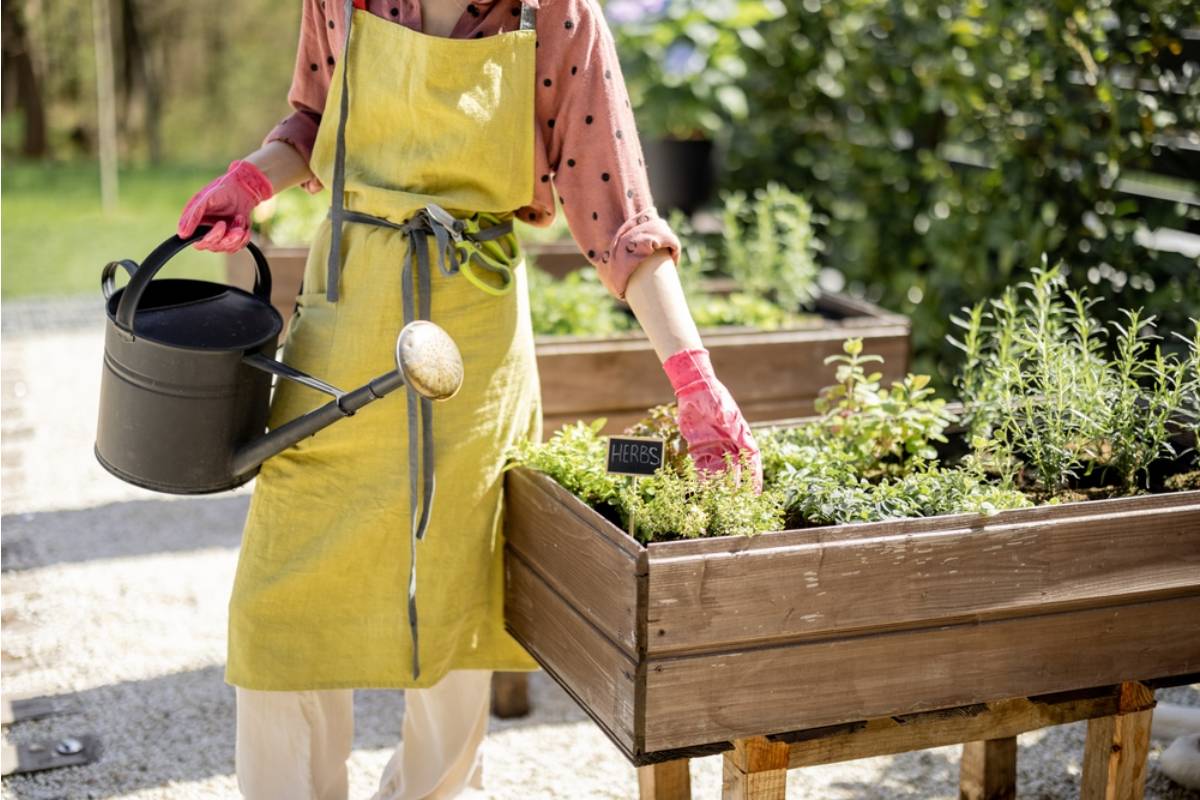
The morning after she arrived, Carol followed me through the backyard while I watered everything before breakfast. She stopped in front of the herb bed and frowned slightly. She pointed toward the parsley, sage, savory, and marjoram growing close together.
She asked why I allowed the plants to look so “crowded.” I explained they were arranged exactly the way my grandmother had taught me because certain herbs protected one another from drying out during the hottest weeks of summer. Carol nodded politely, but I could tell she was not convinced.
An Afternoon Away Changed Everything
That afternoon my husband, Brian, asked if I could pick up groceries while he helped a friend move furniture. Carol stayed behind, saying she wanted to enjoy the sunshine on the patio. Nothing about the conversation suggested she had other plans.
When I returned two hours later, wheelbarrows, empty nursery pots, and gardening tools covered the lawn. Fresh soil surrounded the herb bed, and several familiar plants were nowhere to be seen.
Her Smile Disappeared When I Looked Closer
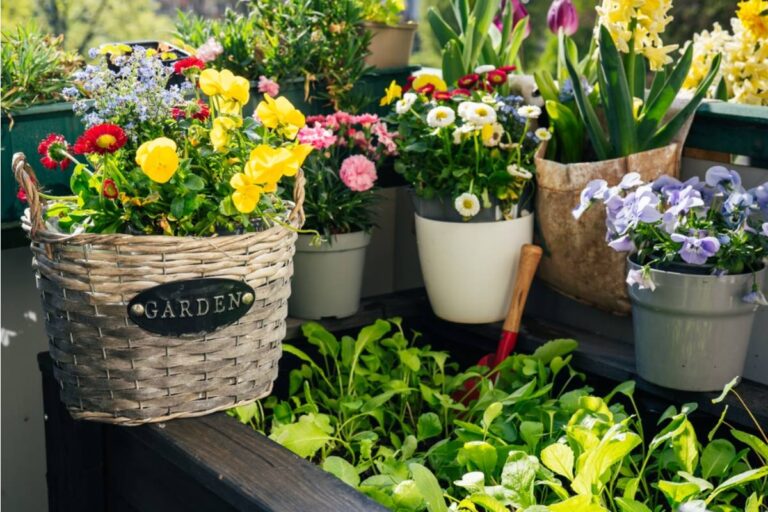
Carol proudly waved me over. She explained that she had “rescued” the garden by removing weak plants, separating what she believed were duplicates, and replacing several herbs with decorative lavender and flowering annuals. She seemed genuinely excited for me to see the results.
I quietly walked around the bed searching for the herbs I depended on every year. The savory had vanished completely. The old marjoram clump my grandmother started was gone. Even the unusual flat leaf parsley variety had disappeared.
The Missing Herbs Were Not Easy to Replace
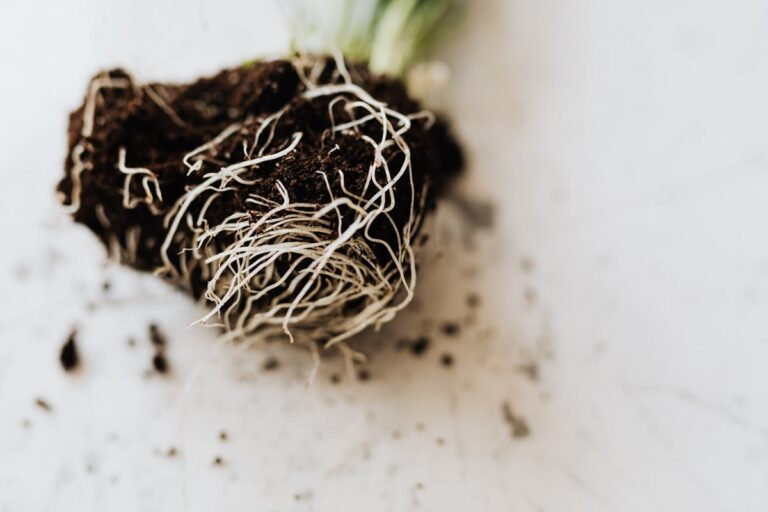
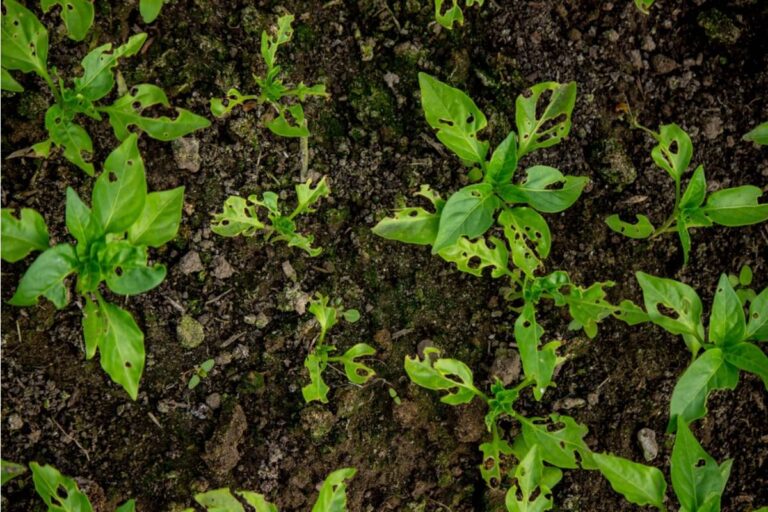
When I asked where everything had gone, Carol pointed toward a pile of pulled plants lying beside the compost bin. Most had already dried in the afternoon sun. Their roots had been exposed for hours, and many stems had snapped during removal.
She shrugged and said they looked old and overgrown anyway. “Fresh plants grow better than tired ones,” she insisted. I stared at the pile, knowing several of those herbs had been propagated from the same plants my grandmother once cared for herself.
Brian Realized the Situation Too Late
Brian returned home just as I finished gathering the damaged herbs into a bucket of water. He immediately noticed something was wrong because I had barely spoken since walking into the yard.
After hearing what happened, he looked at his mother in disbelief. He reminded her that we never changed anything in someone else’s home without asking. Carol defended herself by saying she was only trying to help and expected gratitude instead of criticism.
A Notebook Explained What Words Could Not
That evening I retrieved an old recipe journal from the kitchen cabinet. Inside were several faded pages written entirely in my grandmother’s handwriting. Beside the stuffing recipe, she had listed each herb variety and explained why she preferred it over newer cultivars.
There were little notes in the margins about harvesting before sunrise, tying bunches together for drying, and never replacing one particular marjoram because its flavor reminded her of her own mother. Reading those pages out loud filled the room with silence.
The Neighbor Remembered an Important Detail
The next morning my neighbor, Denise, walked over after seeing the disturbed garden beds. She had often exchanged herb cuttings with my grandmother years before I inherited the house. When I described what happened, she immediately asked one important question.
“Did Carol throw everything away already?”
I told her the plants had gone into the compost pile. Denise smiled and said compost rarely gets emptied the same day. She believed there might still be a chance to save something.
Digging Through the Compost Brought Hope
Brian and I carefully sorted through the compost pile piece by piece. Most of the herbs were beyond saving, but several marjoram stems still carried healthy green growth near the base. We also found one parsley root that had not completely dried out.
Denise showed us how to trim away damaged sections and place the surviving pieces into pots with fresh soil. She admitted the odds were not great, but she refused to give up before the plants had a chance to recover.
Carol Heard a Story She Had Never Known
Later that evening Brian asked his mother to sit with us on the porch. Instead of arguing, I showed her old family photographs of my grandmother harvesting herbs with me as a child. One picture showed us tying bundles together while laughing over a recipe that had been prepared every holiday for generations.
Carol slowly realized those plants were never just ingredients. They were living pieces of family history. She quietly admitted she had looked only at appearances and never asked why the garden had been arranged that way.
A Local Herb Society Offered Unexpected Help
Denise contacted a local herb gardening club to ask whether anyone recognized the older varieties listed in my grandmother’s notebook. Within a week, several members replied that they still grew similar heirloom herbs passed through their own families.
One elderly member even remembered exchanging seeds with my grandmother at a community garden event many years earlier. She happily shared fresh cuttings, saying my grandmother had once helped her rescue a struggling herb bed.
Rebuilding the Garden Became a Family Project
The following Saturday, everyone gathered in the backyard with gloves and small pots. Carol surprised me by arriving first with compost, mulch, and new garden edging. This time she refused to touch a single plant until I explained exactly where it belonged.
As we replanted each herb, I shared another story from my grandmother’s notebook. Carol listened carefully and asked questions instead of offering instructions. The afternoon felt completely different from the weekend before.
Thanksgiving Arrived With One Final Test
Months later, Thanksgiving finally arrived. The rescued marjoram had recovered enough to provide a small harvest, while the heirloom cuttings from the herb society filled the remaining gaps. I carefully prepared the stuffing exactly as my grandmother taught me.
When everyone gathered around the table, Carol quietly took her first bite and smiled. She admitted she had never realized fresh herbs could carry so many memories along with their flavor. No one needed to answer because the meaning was already clear.
A New Marker Stood Beside the Herbs
A few days after the holiday, I found a small wooden sign placed at the edge of the herb bed. Carol had painted it herself. The words simply read, “Ask Before Helping.”
It was not an apology written on paper. It was a reminder she wanted to see every time she visited. I appreciated that far more than any speech she could have given.
The Garden Became Stronger Than Before
Today the herb garden looks healthy again, although a few original plants were lost forever. Their descendants now grow beside new heirloom varieties shared by generous gardeners who understood the importance of preserving family traditions. Every time I harvest herbs for my grandmother’s recipe, I think about how close those memories came to disappearing.
Carol still enjoys working in the garden whenever she visits, but she now begins every project with the same question. “What would you like me to do?” That simple habit has protected far more than herbs. It has protected trust, family stories, and the quiet understanding that some living things carry memories no one can replace.