Some People Are Letting Weeds Grow on Purpose in Their Gardens, And It’s Dividing Opinions on What “Healthy” Really Means
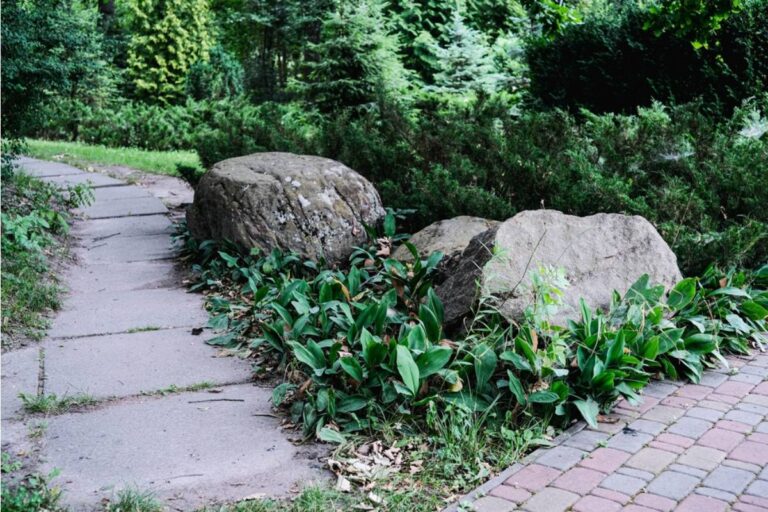
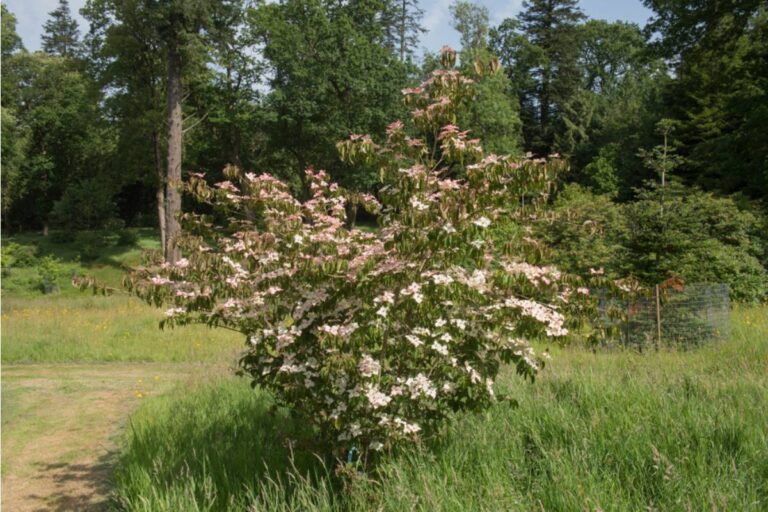
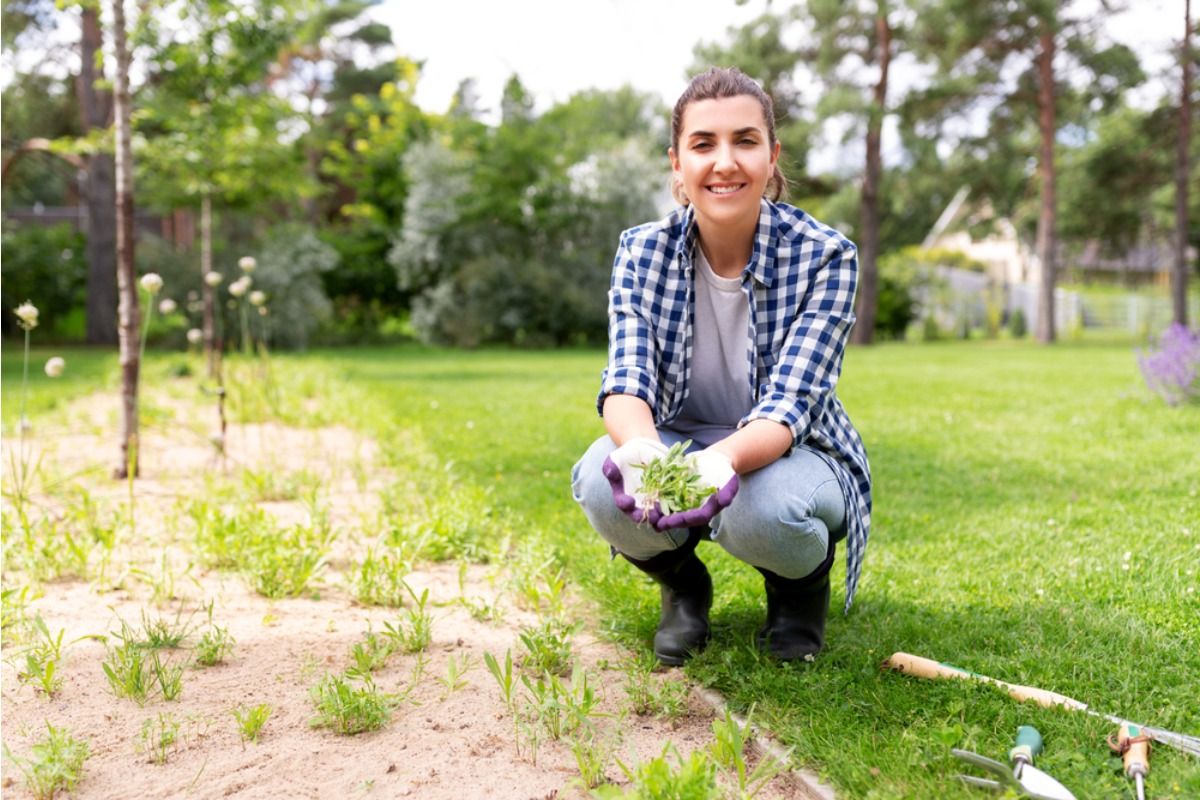
It began when a homeowner stopped pulling weeds in a small corner of his garden. At first, the neighbors assumed he had simply fallen behind on maintenance. But weeks passed, and the weeds were intentionally left to grow. He even started adding more native wild plants into the space. What used to be a neat flower bed slowly turned into a wild, uneven patch. People started noticing every time they walked by.
The Garden Started Attracting Unexpected Life
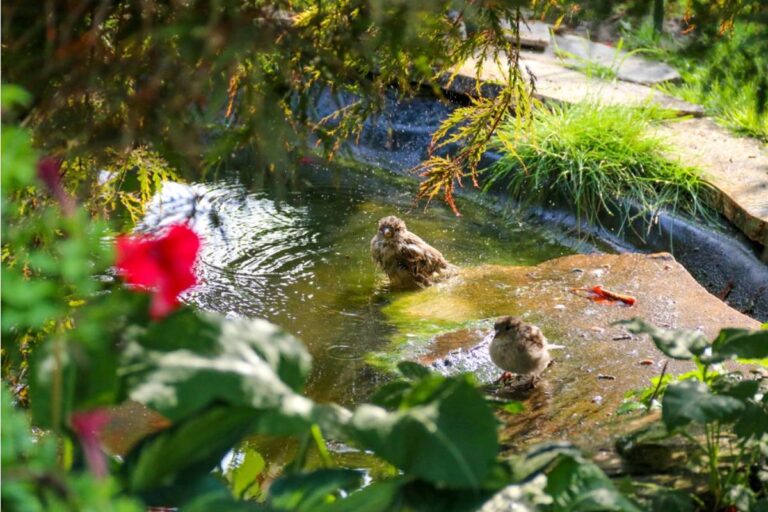
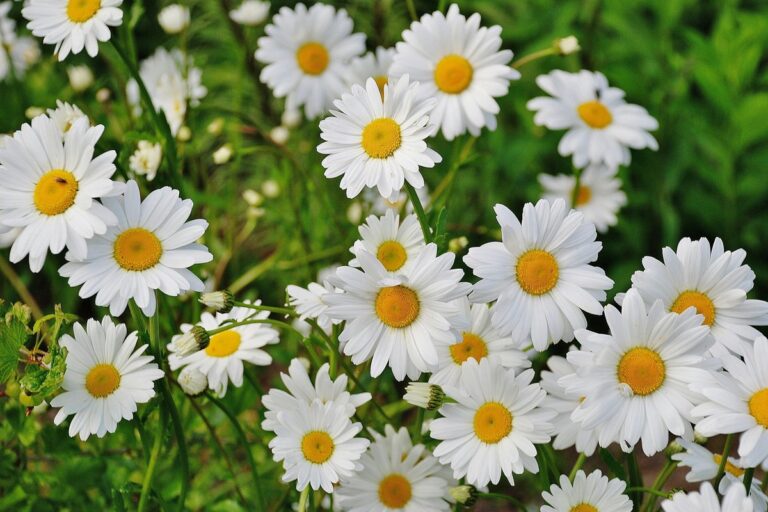
Within a few weeks, the once-controlled garden looked completely different. Bees, butterflies, and small birds began appearing more often than before. The homeowner noticed fewer pests on nearby vegetables as well. The wild plants seemed to support more activity than the trimmed sections. It wasn’t what most people expected from an “untidy” garden. But something clearly changed in the ecosystem.
Neighbors Began to Question the Look
Some neighbors were confused by the shift in appearance. They felt a garden should be clean, organized, and free of weeds. Others thought it looked messy and neglected. Conversations started during evening walks and fence-side chats. Opinions became divided quickly. What looked like neglect to some looked intentional to others.
The Homeowner Explained a Different Idea of “Weeds”
He started telling people that not all weeds are harmful. Some plants labeled as weeds actually support soil health and pollinators. He argued that nature doesn’t naturally grow in straight lines or perfect patterns. To him, “healthy” didn’t mean controlled—it meant balanced. This explanation didn’t convince everyone. But it made people think differently.
Traditional Gardening Rules Were Being Challenged
For many years, gardening meant removing anything unwanted immediately. But now, some people were questioning whether that approach was too strict. Leaving certain plants alone could improve biodiversity. It could also reduce water and maintenance needs. The idea of control versus coexistence became central. The definition of a garden was shifting.
Some Gardens Began Copying the Idea
A few neighbors quietly tried leaving small sections of their lawns untouched. Over time, they noticed more insects and less need for constant upkeep. Others experimented cautiously, keeping wild zones separate from traditional flower beds. Results varied depending on location and soil. The experiment was spreading slowly across the street.
Not Everyone Was Convinced It Was Positive
Despite the benefits, some residents still disliked the look. They worried about property value, pests, or simply visual order. For them, neatness was part of care. The contrast between wild and controlled spaces felt uncomfortable. The debate wasn’t just about plants—it was about aesthetics and identity.
Nature Was Showing a Different Kind of Order
Supporters of the wild approach pointed out that nature already has structure, just not one that fits human design. Plants compete, adapt, and balance each other over time. What looks chaotic often has hidden stability. This challenged traditional expectations. Order didn’t always mean neatness.
A New Definition of a “Healthy Garden” Emerges
The discussion gradually shifted from “clean vs messy” to “functional vs sterile.” Health was no longer just about appearance. It included biodiversity, soil quality, and resilience. Even critics started acknowledging some benefits. The definition of gardening was expanding. There was no single correct style anymore.
A Quiet Divide That Keeps Growing
As more people experiment with letting weeds grow, the disagreement continues. Some see it as neglect, others as ecological awareness. The same garden can look completely different depending on perspective. What was once considered unwanted is now being reconsidered. The idea of a “perfect garden” is no longer universal.