Why Your Tomatoes Might Be Cracking This Summer, According to Longtime Gardeners
Tomatoes often look perfect right up until the day someone notices long cracks stretching across the fruit. Many first time gardeners assume insects, birds, or disease are responsible, but experienced growers usually recognize a different pattern.
The problem tends to appear just when the plants seem to be producing their best harvest, making it especially frustrating. One family’s backyard garden became an unexpected lesson in why this happens and how a simple habit can make all the difference. Their experience spread through the neighborhood after longtime gardeners pointed out what they had overlooked.
The First Basket Brought a Surprise
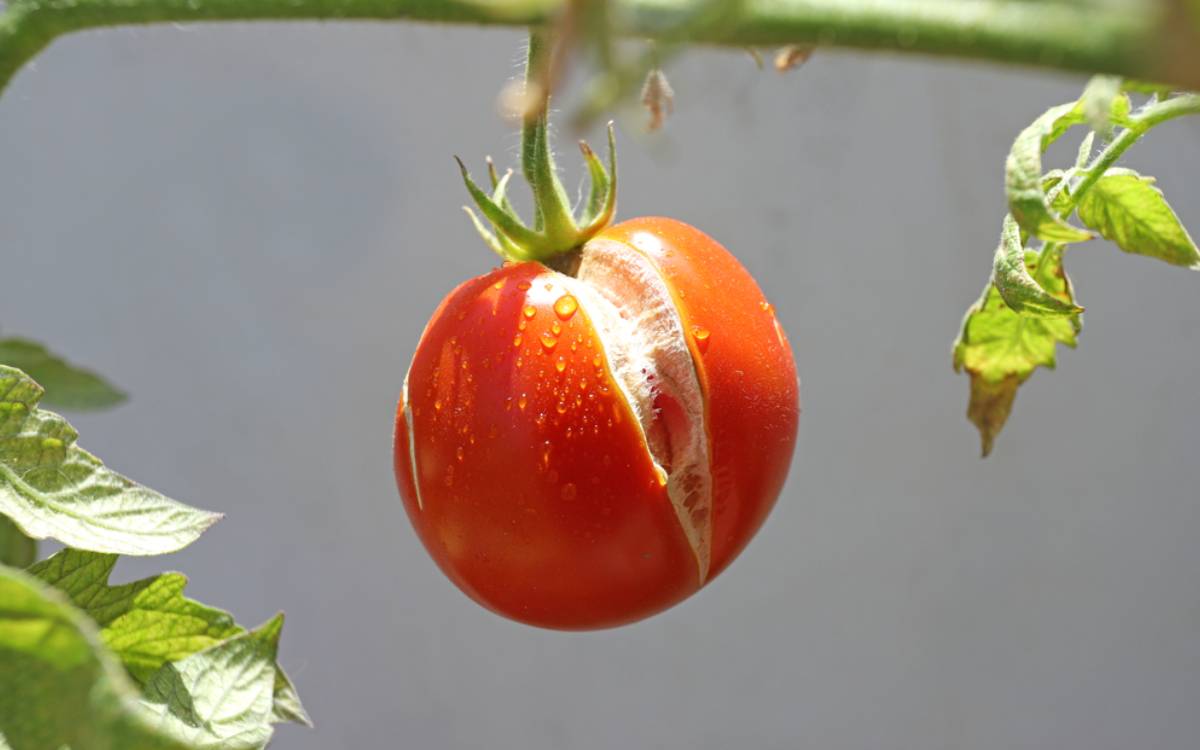
Sarah walked into the kitchen carrying a basket filled with bright red tomatoes she had picked that morning. Her excitement faded as she turned one over and found a deep crack running across the top. Another tomato had a split circling its stem, and several others showed smaller openings. She wondered if something had attacked the plants overnight. Instead of serving them with dinner, she lined them up on the counter, trying to figure out what had gone wrong.
Everyone Had a Different Theory
When Sarah mentioned the problem during a neighborhood cookout, everyone seemed to have an explanation. One neighbor blamed insects, while another insisted it was caused by too much sun. Someone even suggested the tomato variety was naturally prone to splitting. The conflicting advice only made Sarah more confused. She left the gathering with plenty of opinions but no clear answer.
A Familiar Face Stopped at the Fence
The following afternoon, Mr. Henderson, who had grown vegetables for decades, noticed Sarah inspecting her tomato plants. He asked to see one of the cracked tomatoes before smiling knowingly. “This happens to almost everyone at least once,” he said. Instead of looking at the fruit, he asked how often she watered the garden. That question caught her completely off guard.
The Watering Routine Told the Real Story
Sarah admitted she often forgot to water for several days whenever work became busy. Then, feeling guilty, she soaked the beds until the soil was completely saturated. Mr. Henderson explained that tomatoes absorb water quickly after being dry for too long. The inside of the fruit expands faster than the skin can stretch, causing those familiar cracks to appear. Sarah suddenly realized the damage always followed her heavy watering sessions.
The Garden Looked Healthy Until It Didn’t
The plants themselves appeared vigorous with dark green leaves and dozens of developing tomatoes. Because everything looked healthy, Sarah assumed inconsistent watering could not be causing any real harm. She never considered that the fruit could reveal problems before the foliage did. Looking back, the timing made perfect sense. Nearly every cracked tomato had ripened shortly after a deep soaking.
A Storm Confirmed the Pattern
Several days later, a soaking rain arrived after nearly a week without much moisture. Sarah walked outside the next morning expecting everything to look refreshed. Instead, several tomatoes that had been nearly perfect the day before had split open. She called Mr. Henderson, who simply nodded after seeing them. Nature had recreated exactly what uneven watering had already been doing.
An Easy Test Changed Everything
Mr. Henderson suggested checking the soil every evening instead of watering on a fixed schedule. If the top few inches still felt slightly damp, Sarah could wait another day. If they felt dry, she should water slowly and evenly instead of flooding the beds. The routine sounded almost too simple to matter. Still, she decided to follow his advice for the rest of the season.
Mulch Became the Unexpected Hero
While helping spread fresh mulch around the tomato plants, Sarah asked why it mattered so much. Mr. Henderson explained that mulch slows moisture loss from the soil and keeps watering conditions more consistent. The ground no longer swung between extremely dry and overly wet. Sarah noticed she spent less time watering once the mulch was in place. Even better, the soil stayed easier to manage during hot summer weeks.
The New Harvest Looked Different
As another wave of tomatoes ripened, Sarah inspected each one carefully before picking it. Most were smooth, firm, and free of the deep cracks that had frustrated her earlier. A few tiny surface splits still appeared after especially heavy rain, but nothing compared to the first harvest. She finally felt confident enough to share baskets with friends without sorting through damaged fruit first. The improvement surprised everyone who had watched the problem develop.
A Conversation at the Community Garden
During a weekend visit to the local community garden, Sarah shared what she had learned with several newer gardeners. One woman admitted she watered only when the leaves looked droopy. Another confessed she often drenched the beds after forgetting about them for days. Several longtime gardeners smiled because they had heard the same stories countless times before. They agreed that cracked tomatoes were usually teaching the same lesson about consistency.
The Family Stopped Blaming the Variety
Earlier in the summer, Sarah’s husband had suggested replacing the tomato variety altogether next season. After seeing healthy fruit develop once the watering routine changed, he dropped that idea completely. The plants had never been the real problem. They simply responded to sudden changes in moisture the only way they could. Everyone in the family finally understood why experienced gardeners focused so much on steady care instead of quick fixes.
A Lesson Worth Sharing Every Summer
By the end of the season, Sarah found herself giving the same advice she had once needed herself. Whenever someone showed her a cracked tomato, her first question was no longer about insects or disease. She asked how the watering had been going during the past week. More often than not, the answer explained everything. Longtime gardeners had been right all along because healthy tomatoes depend just as much on consistent habits as they do on sunshine and good soil.