Homeowner Says His Neighbor’s Chickens Keep Getting Into His Garden and Destroying Seedlings, Now He’s Sending a Repair Bill and Neighbors Are Watching
In a quiet suburban neighborhood in Georgia, Mark had spent the spring preparing a carefully planned vegetable garden meant to supply fresh produce for most of the season. He built raised beds, marked rows with precision, and waited for seedlings to establish before the heat of summer arrived. Things went smoothly at first, until a neighbor’s small flock of chickens began wandering into his yard. What started as a minor nuisance quickly escalated into repeated damage to young plants. Eventually, the situation turned into a financial dispute that caught the attention of the entire street.
The garden that took weeks to prepare
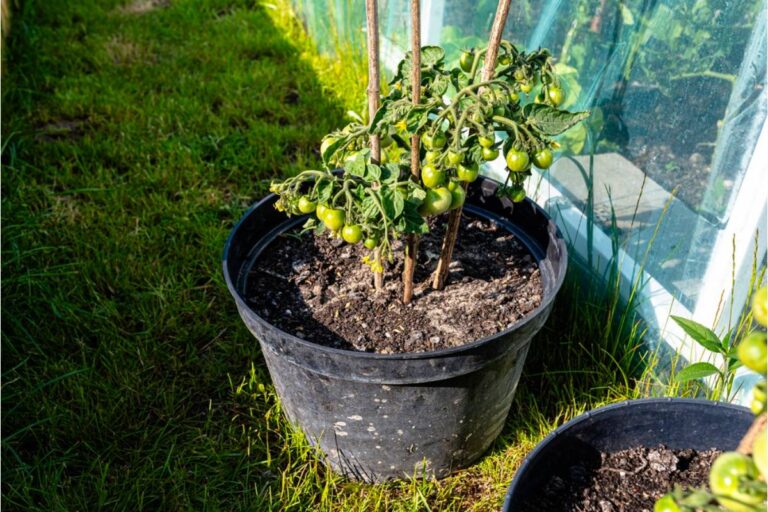
Mark had spent several weekends building his garden from scratch, focusing on neat rows of tomatoes, cucumbers, and leafy greens. He installed a low wooden border around each bed to keep soil contained and make maintenance easier. The seedlings were carefully spaced to ensure proper growth and airflow. For the first few weeks, everything looked promising. He often stood in the yard in the evenings checking progress with satisfaction.
The first unexpected visitors
One morning, Mark noticed small footprints scattered through the freshly watered soil. A few seedlings had been flattened, and some leaves were pecked clean off. At first, he assumed it was wild birds or stray animals passing through. But the pattern repeated too consistently to be random. He started keeping a closer eye on the garden after that.
Chickens identified as the source
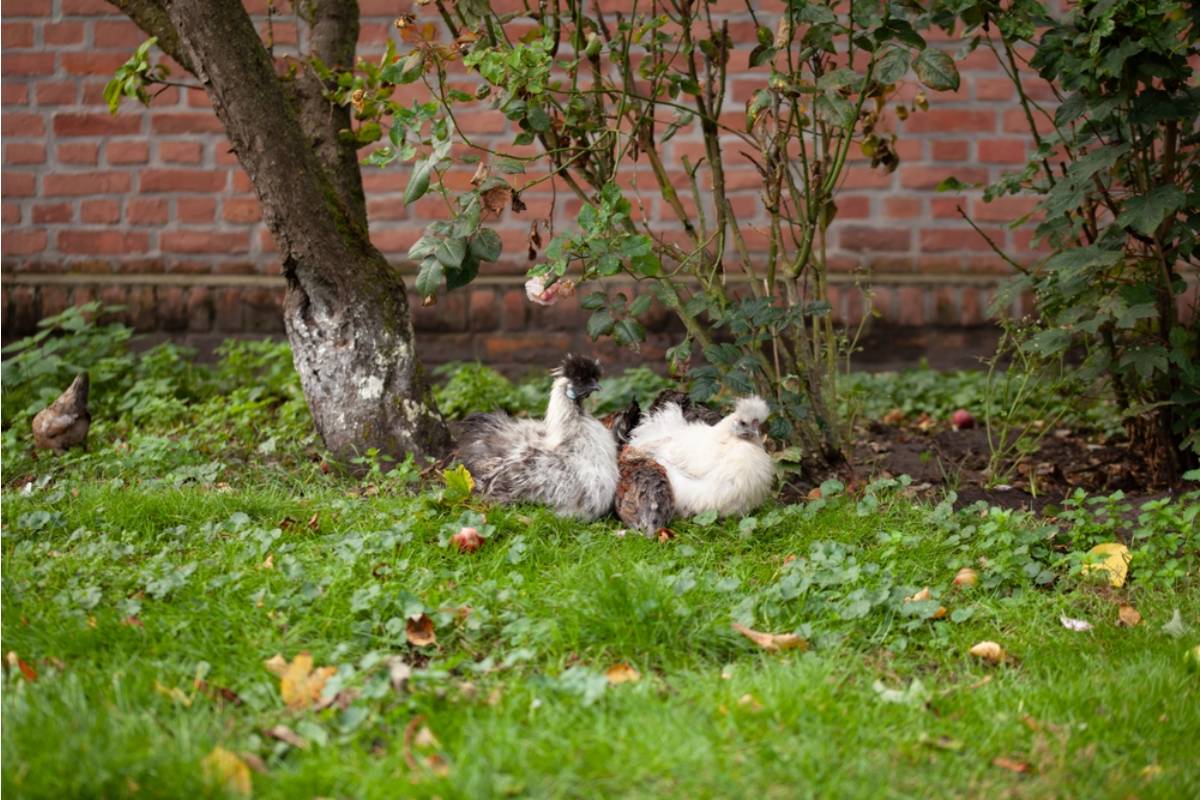
It did not take long before Mark saw the neighbor’s chickens slipping under a loose section of fence. They moved quickly through the garden, scratching and pecking at newly sprouted plants. The neighbor, Thomas, had a small backyard flock that usually stayed contained. Mark assumed it was an accidental gap in fencing and mentioned it casually to him. Thomas said he would look into it and fix the issue.
Damage begins to escalate
Despite the conversation, the chickens continued finding their way into Mark’s garden. Each visit left behind more damaged seedlings and disturbed soil. Some plants never recovered after being uprooted. Mark started placing makeshift barriers, but the birds adapted quickly. The frustration grew as replanting became a constant cycle.
A direct conversation between neighbors
Mark approached Thomas again and explained the repeated damage in detail. Thomas responded that chickens naturally roam and that fencing can sometimes fail. Mark argued that the animals were clearly entering his property and destroying crops. Thomas said he would reinforce the enclosure but did not seem overly concerned. The conversation ended without clear resolution.
The garden reset that did not last
After replanting for the third time, Mark thought the issue might finally be under control. The seedlings began growing again, and he hoped the worst was over. However, within days, another breach occurred. This time, several rows were completely wiped out. Mark began documenting each incident with photos.
A repair bill is prepared
Frustrated, Mark calculated the cost of seeds, soil, and replacement plants. He compiled the expenses into a simple written bill addressed to his neighbor. The total was not large, but it represented repeated losses and time spent rebuilding. He delivered it personally and explained that he expected some form of compensation. Thomas reacted with surprise and said he had not agreed to responsibility for garden damage.
The neighborhood starts paying attention
Word of the dispute spread quickly along the street. Some neighbors felt Mark was justified in asking for reimbursement. Others believed animal control issues should not translate into personal billing. People began watching both yards more closely. The situation turned into quiet discussions during evening walks and mailbox visits.
Chickens break through again
Even after discussions and the repair request, another incident occurred. A group of chickens entered the garden early one morning and damaged a newly planted section. Mark watched from inside the house as it happened and felt increasingly frustrated. Thomas insisted the enclosure had been fixed and blamed an unknown weak spot. Trust between the neighbors continued to erode.
A suggestion from another homeowner
A nearby resident suggested installing a stronger mesh barrier or underground reinforcement to prevent animals from entering. Mark considered it but felt it should not be his responsibility alone. He argued that the chickens should remain contained on their owner’s property. The debate shifted from gardening to boundaries and accountability. No one seemed fully satisfied with any solution offered.
A tense exchange at the fence line
Mark and Thomas met again at the property line, this time more visibly frustrated. Mark insisted the repeated damage was unacceptable and financially draining. Thomas said he was doing his best to control the flock and could not constantly supervise them. The conversation grew heated before both walked away without agreement. The repair bill remained unpaid.
The HOA steps in cautiously
The homeowners association was contacted to mediate the issue. They reviewed property guidelines and animal containment expectations. While they acknowledged the damage, they also stated that neighbor disputes over livestock were complicated. They suggested improved fencing and mutual cooperation. Neither side felt the response fully addressed the problem.
The garden remains uncertain
Mark eventually replanted again, though with less enthusiasm than before. He added stronger barriers and monitored the garden more frequently. Thomas made additional adjustments to his chicken coop, but occasional escapes still occurred. The repair bill was never formally resolved. What remained was a neighborhood quietly watching two adjacent yards struggle to find balance between personal property and wandering animals.