People Are Tracking Their Home Garden Harvests Like a System, And It’s Helping Them Grow More With Less Waste
People are starting to track their home garden harvests more systematically, and it’s helping them grow more efficiently while cutting down on waste. What used to be a casual activity is becoming more organized and data-driven.
Harvest Tracking Brings Clear Insights
Gardeners are recording what they harvest, when they harvest it, and how much they get. This helps them understand which plants perform best. Patterns become visible over time. Decisions are based on real results. Guesswork is reduced.
Overplanting Is Being Reduced
By tracking yields, people realize they may be growing more of certain crops than they can use. This leads to better planning in the next cycle. Space is used more wisely. Excess production drops. Waste is minimized.
Timing Becomes More Accurate
Knowing when crops were planted and harvested helps gardeners predict future cycles. They can plan staggered planting more effectively. This avoids having too much ready at once. Harvests become more evenly spread. Supply feels more consistent.
Food Waste Is Declining
When gardeners track output, they become more aware of what they can actually consume. This leads to better usage of produce. Less food goes unused or spoiled. Harvests are matched to needs. Efficiency improves.
Storage and Usage Improve
Tracking helps people plan how to store or use their produce—whether fresh, preserved, or shared. Surplus can be managed better. Nothing goes to waste unnecessarily. Planning extends beyond the garden. It connects to the kitchen.
Small Gardens Become More Productive
Even limited spaces can produce more when managed carefully. Tracking reveals which plants give the best return for the space used. Gardeners can adjust accordingly. Productivity increases without expanding space. Optimization becomes possible.
Digital Tools and Simple Logs Are Used
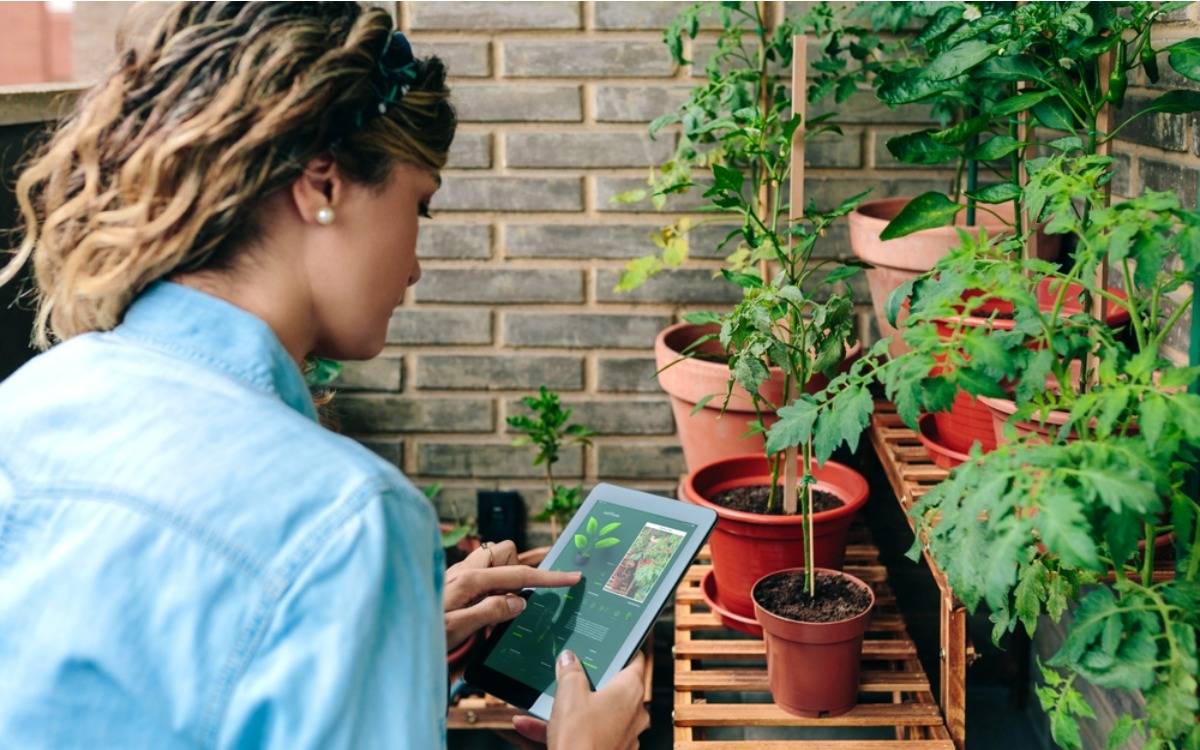
Some people use apps or spreadsheets, while others keep handwritten notes. The method varies, but the goal is the same, better awareness. Technology makes tracking easier for some. Simplicity works for others. The system adapts to preference.
Learning Speeds Up Over Time
Instead of relying on memory, gardeners build a record of what works and what doesn’t. This accelerates learning. Mistakes are less likely to be repeated. Knowledge becomes cumulative. Experience becomes measurable.
Sharing and Planning Become Easier
When harvests are tracked, it’s easier to share produce with neighbors or plan meals in advance. Garden output becomes predictable. Coordination improves. Surplus can be distributed thoughtfully. Community benefits increase.
A Shift Toward Organized Home Gardening
This trend reflects a move from casual gardening to more structured growing practices. People are treating their gardens like small systems. Efficiency and sustainability are the focus. Gardening becomes more intentional.
As more people begin tracking their harvests, they’re finding that simple records can make a big difference. For many, it’s turning home gardening into a more productive, less wasteful, and better-planned part of everyday life.