Some Indoor Gardeners Are Using Smart Sensors to Track Plant Health, And It’s Reducing Guesswork in Daily Care
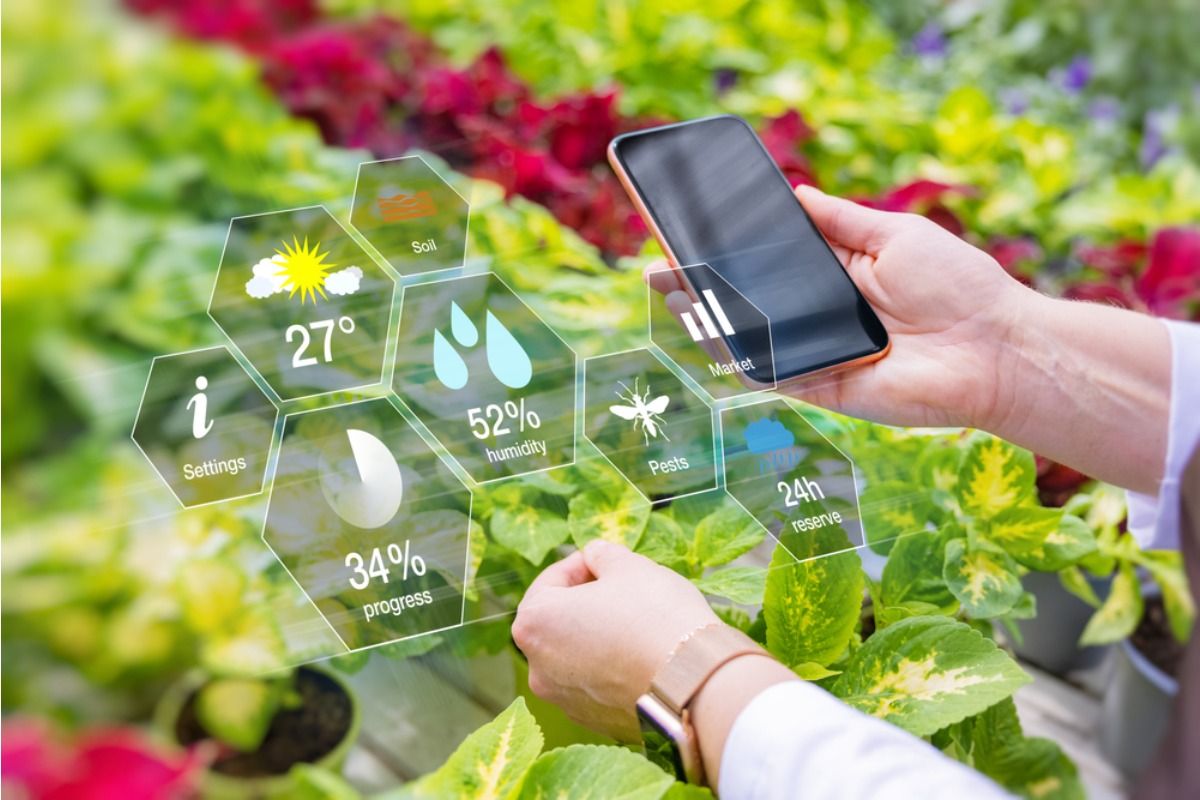
Some indoor gardeners are now using smart sensors to monitor plant health, and this shift is making daily care more precise and less dependent on guesswork. Instead of relying only on visual signs, growers are using real-time data to guide decisions.
Sensors Are Providing Real-Time Plant Data
Smart devices can track soil moisture, light levels, temperature, and even humidity. This gives gardeners immediate feedback on what their plants need. Instead of estimating, they can respond to actual conditions. Care becomes more informed. Small adjustments are easier to make.
Watering Is Becoming More Accurate
Overwatering and underwatering are common issues in indoor gardening. Sensors help indicate exactly when plants need water. This reduces stress on plants and improves growth consistency. Guesswork is replaced with timing. Healthier plants are the result.
Light Exposure Is Easier to Manage
Indoor plants often struggle with inconsistent lighting. Sensors can measure how much light a plant is receiving throughout the day. Gardeners can then reposition plants or adjust artificial lighting. This ensures more balanced growth. Light becomes a controlled factor.
Alerts Help Prevent Problems Early
Many smart systems send notifications when conditions go outside ideal ranges. This allows gardeners to act before plants show visible damage. Early intervention reduces plant loss. Small issues don’t turn into bigger problems. Monitoring becomes proactive.
Beginners Benefit From Guided Care
For new gardeners, understanding plant needs can be challenging. Sensors simplify the learning process by providing clear indicators. This builds confidence quickly. Mistakes become less frequent. Gardening feels more approachable.
Consistency Improves Plant Growth
Stable conditions are important for healthy plants. Sensors help maintain consistent watering, light, and temperature levels. This leads to more predictable growth patterns. Plants develop more evenly. Results become more reliable.
Integration With Smart Home Systems
Some devices connect with mobile apps or smart home setups. This allows users to track plant conditions remotely. Adjustments can be planned even when away from home. Convenience increases. Gardening becomes part of a connected lifestyle.
Small Spaces Benefit the Most
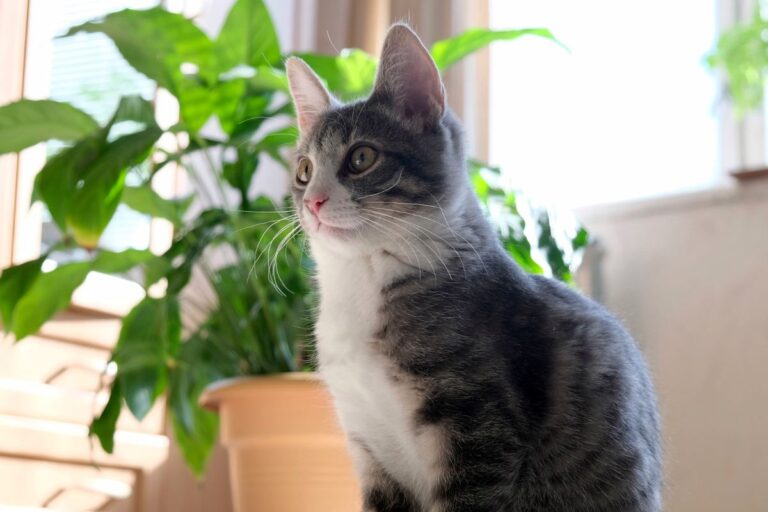
Indoor setups often involve limited space where conditions can change quickly. Sensors help manage these small environments more effectively. Even a windowsill garden can be optimized. Precision matters more in compact areas. Control improves outcomes.
Reduced Trial and Error Over Time
Traditional gardening often involves learning through mistakes. Smart sensors reduce this process by offering data-driven guidance. Growers spend less time experimenting blindly. Efficiency improves. Learning becomes faster.
A Shift Toward Data-Driven Gardening
The use of smart sensors reflects a broader move toward technology-assisted home gardening. People are combining nature with digital tools to improve results. Gardening is becoming more precise and controlled. Technology is enhancing traditional practices.
As indoor gardeners adopt smart sensors, plant care is becoming more predictable and less uncertain. For many, the appeal lies in turning everyday gardening into a more informed and efficient process.