Gardener Says Neighbors Kept Picking Fruit From Her Trees Without Asking, Now She’s Putting a Stop to It “They Act Like It’s Free Anyway”
What Started as Sharing Turned Into Something Else
For many home gardeners, sharing is part of the joy.
When fruit trees are producing more than you can use, it feels natural to give some away. Neighbors, friends, even strangers walking by can all benefit from the extra harvest.
That’s exactly how one gardener approached it.
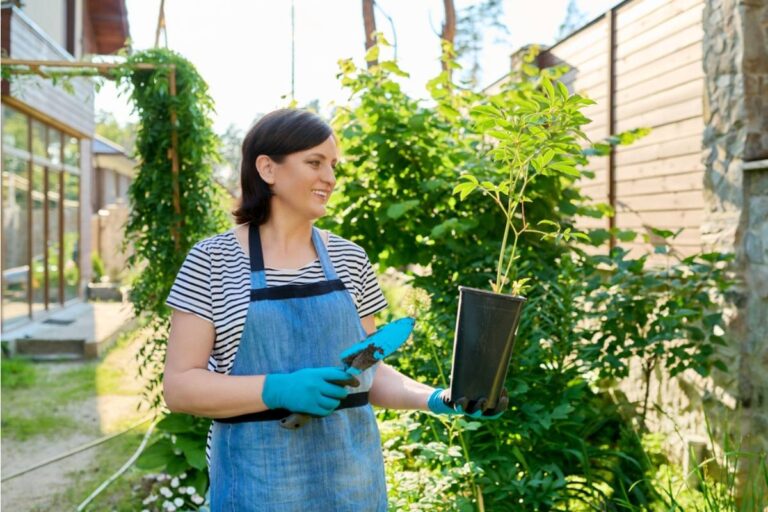
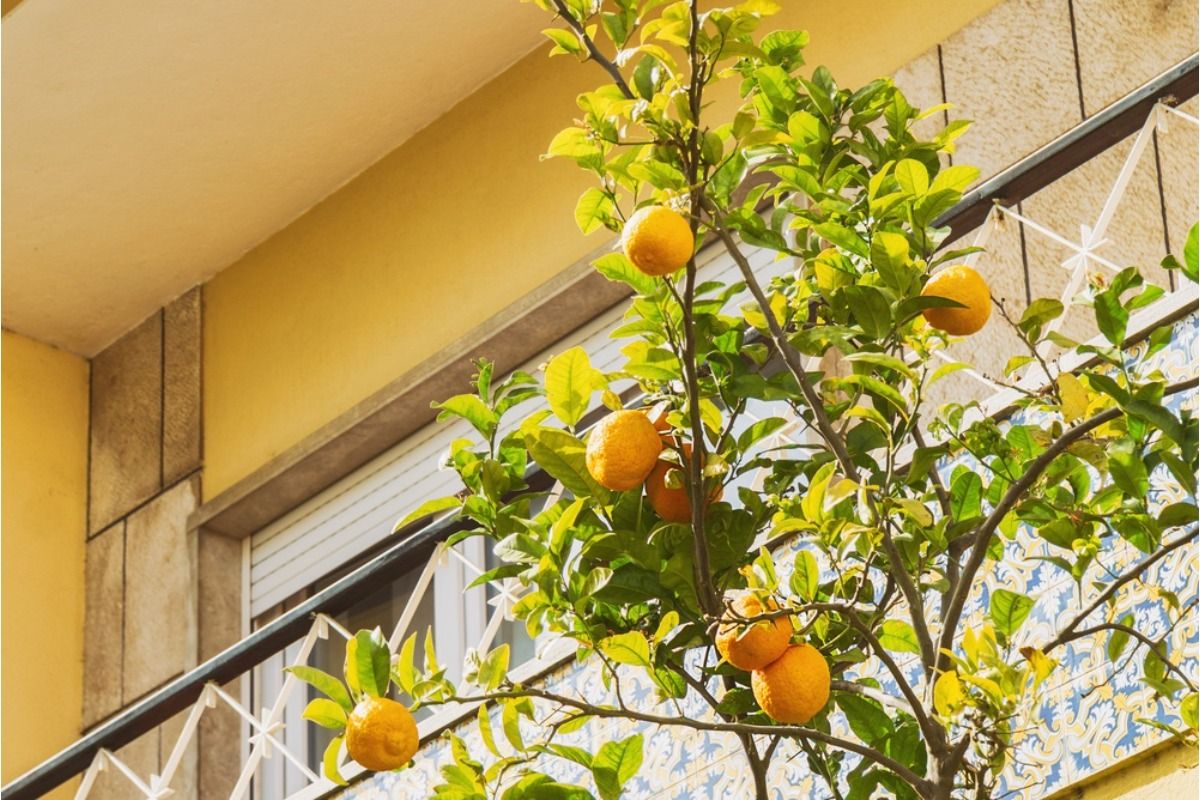
She built a front yard filled with flowers and fruit trees, something people in the neighborhood often stopped to admire. When harvests were large, she would even leave out a bucket so passersby could take what they needed.
But over time, what started as generosity began to turn into something she didn’t expect.
“They Started Treating My Yard Like It Was Theirs”
Among the regular people walking by was one family who took a particular interest in her trees.
At first, it seemed harmless.
They complimented the garden, talked about the fruit, and eventually asked if their daughter could pick some herself to experience it.
Wanting to be kind, she said yes, but only for that one time.
What happened next made her rethink that decision.
The First Sign of a Problem
During that initial picking experience, things didn’t go as planned.
Fruit was wasted. Tree limbs were damaged. And the yard was left messier than expected.
Still, she let it go.
It felt like a one-time situation, and she didn’t want to make a big issue out of it.
But that one moment seemed to change how the family viewed her garden.
When “Sharing” Became Assumed
Instead of asking again, the family started helping themselves.
They would walk into the yard whether she was home or not and pick fruit directly from the trees.
It didn’t stop there.
They also began picking flowers, not just from her yard, but from others in the neighborhood as well.
What stood out most wasn’t just the behavior.
It was the assumption behind it.
They acted like the garden was available whenever they wanted.
“You Have More Than You Can Use”
When she finally confronted them, the reaction made things worse.
The family insisted she had already given permission and suggested she was being unreasonable by asking them to stop.
They argued that she had plenty and that the fruit was essentially “free anyway.”
That’s where the situation hit a nerve.
Because for gardeners, there’s one thing that statement overlooks completely.
The Truth About “Free” Gardens
From the outside, it’s easy to see fruit on a tree and assume it didn’t cost anything.
But anyone who gardens knows that couldn’t be further from the truth.
Fruit trees take years to establish.
They require regular pruning, watering, fertilizing, and care. They can be affected by pests, weather, and disease. And maintaining them takes time, effort, and often money.
This wasn’t a random tree producing fruit on its own.
It was something she built from the ground up.
And that’s part of why the situation felt so frustrating.
The Difference Between Sharing and Taking
At the heart of this issue is a simple but important distinction.
Sharing is a choice.
Taking is not.
She wasn’t against giving away fruit. In fact, she regularly did. She even grew extra specifically to donate to her children’s school and local food banks.
But she wanted to do it on her terms.
When people crossed that line and started helping themselves, it changed the entire dynamic.
The Boundary That Needed to Be Set
Eventually, she stopped them in the act and made it clear.
They needed to ask before picking anything.
That’s when the situation escalated again.
The parents pushed back, suggesting she should feel ashamed for not sharing with a child who just wanted the experience.
But for her, that wasn’t the point.
She had her own children, and when she wanted them to learn about gardening, she planted with them.
She didn’t take them into someone else’s yard to harvest.
Why This Situation Feels So Relatable
For many gardeners, this story hits close to home.
Front yard gardens, especially, create a unique situation.
They’re visible. They attract attention. And they sometimes blur the line between public and private space.
People feel invited to look, and sometimes, to interact.
But visibility doesn’t mean access.
And that’s where misunderstandings can happen.
When Kindness Gets Taken Advantage Of
One of the most common themes in situations like this is how quickly generosity can be taken for granted.
What starts as a kind gesture can turn into an expectation.
And once that expectation forms, it becomes harder to maintain boundaries without conflict.
That’s exactly what happened here.
She didn’t stop sharing because she didn’t want to.
She stopped because the way it was being taken crossed a line.
The Bigger Lesson for Gardeners
There’s an important takeaway in all of this.
If you’re sharing from your garden, it helps to set clear expectations early.
What’s okay. What’s not. When people can take something and when they can’t.
Because without those boundaries, even well-intentioned situations can turn into ongoing problems.
The Question That Sparked the Debate
At the center of this story is a question many people are now asking.
If you have more than enough, are you obligated to share?
Or does the effort behind growing something give you the right to decide exactly how it’s used?
For some, the answer seems obvious.
For others, it depends on how the situation is handled.
But one thing is clear.
Even in something as simple as a backyard garden, the line between kindness and entitlement can get blurred faster than people expect.