Some Home Gardens Are Now Built Entirely on Balconies, And They’re Feeding Families With Fresh Produce Year-Round
More urban households are transforming balconies into fully functional gardens, and in many cases, these compact setups are producing enough fresh vegetables and herbs to supplement daily meals throughout the year.
Balconies Are Becoming Fully Productive Spaces
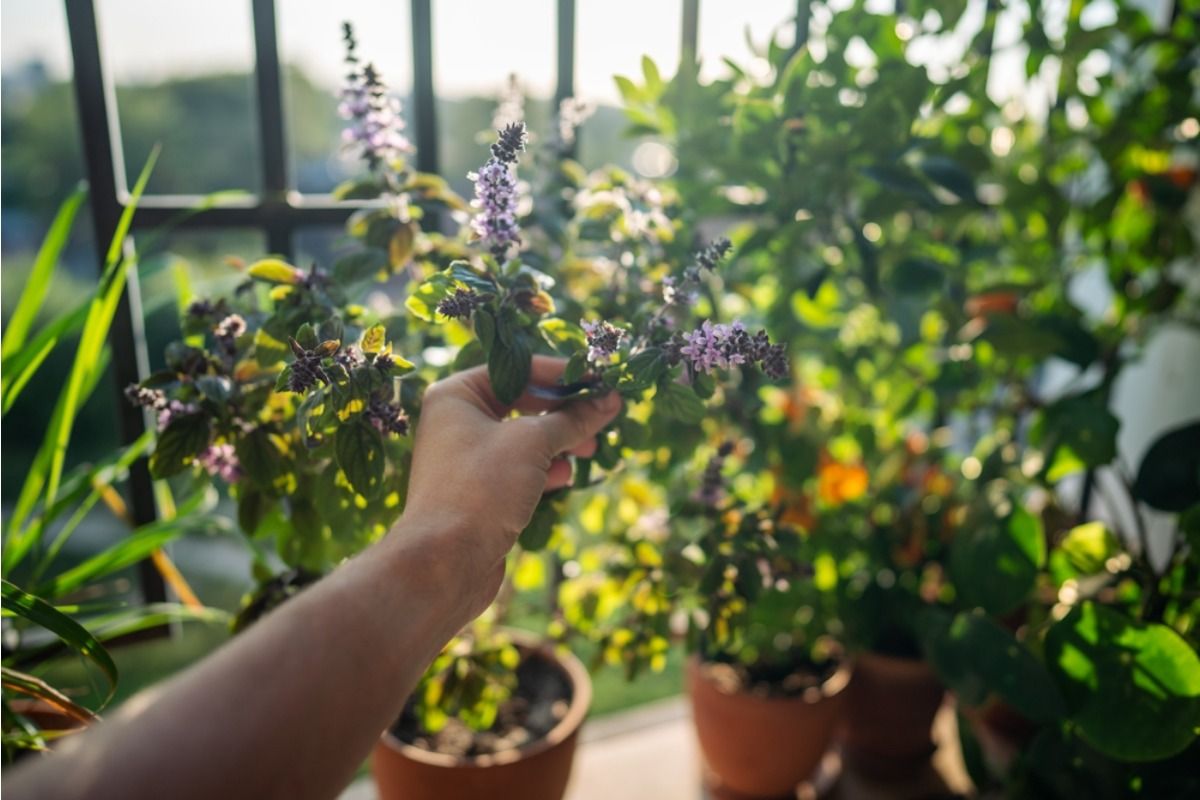
Instead of being used only for storage or relaxation, balconies are now being redesigned for food production. Containers, vertical racks, and hanging planters are arranged to maximize every corner. This allows even small apartments to support meaningful harvests. Space is used with purpose rather than left unused.
Year-Round Growth Is Becoming Possible
With careful plant selection and positioning, many balcony gardens can produce food across different seasons. Leafy greens, herbs, and fast-growing vegetables are often rotated continuously. This keeps production steady throughout the year. Consistency becomes more important than large seasonal harvests.
Vertical and Layered Systems Increase Output
Many balcony gardeners use vertical stacking to grow more plants in limited space. This includes wall planters, tiered shelves, and hanging pots. These systems allow multiple layers of crops in one small area. As a result, output increases without expanding floor space. Efficiency becomes the main advantage.
Controlled Micro-Environments Improve Results
Balcony gardens create small, manageable growing environments. Light exposure, watering, and airflow can be adjusted more easily than in open fields. This helps reduce plant stress. Even minor adjustments can improve growth significantly. Control leads to more predictable harvests.
Fresh Produce Reduces Grocery Dependence
Even small harvests can reduce the need to buy herbs and greens from stores. Over time, this adds up to noticeable savings. Families gain access to fresh ingredients at home. Food quality is often perceived as better and more immediate. Convenience becomes a key benefit.
Crop Selection Is Essential for Success
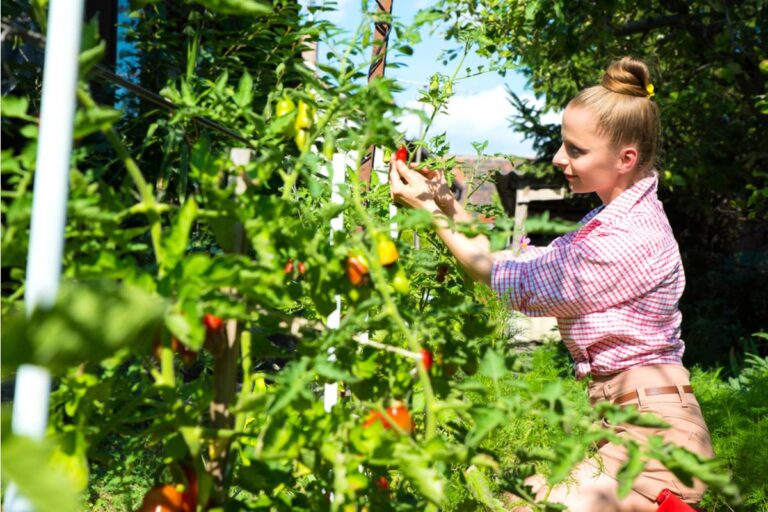
Not all vegetables perform equally well on balconies. Herbs, lettuce, spinach, tomatoes, and peppers are commonly chosen because they adapt well to containers. Matching plants to available light and space improves yield. Smart selection prevents wasted effort. Planning drives productivity.
Watering and Drainage Require Balance
Because balcony gardens rely on containers, proper drainage is critical. Overwatering can quickly damage plants in confined spaces. At the same time, drying out can happen faster in wind or sun exposure. Balanced watering routines are essential. Small systems need consistent care.
Urban Living Is Driving Gardening Innovation
Limited space is pushing people to become more creative with how they grow food. Balcony gardening is part of a broader shift toward urban self-sufficiency. People are learning to maximize small areas. Innovation is shaped by necessity. Food production is becoming more localized.
Maintenance Is Simple but Consistent
While balcony gardens don’t require large-scale work, they do need regular attention. Daily or weekly care routines help maintain steady growth. Tasks like pruning, watering, and checking soil are quick but important. Consistency matters more than intensity. Small habits lead to steady harvests.
A Shift Toward Self-Reliant Living
Balcony gardens are changing how people think about food supply at home. Even partial self-production creates a sense of independence. Fresh produce becomes more accessible and reliable. This approach blends sustainability with practicality. Small spaces are becoming meaningful food sources.
Balcony-based gardening shows that even compact urban homes can support consistent food production. With the right setup and care, these small spaces are helping families access fresh produce throughout the year.