Some Home Gardeners Are Growing Food Without Soil, And It’s Changing How Small Spaces Are Used
More home gardeners are skipping traditional soil entirely and growing food using water-based systems, and it’s transforming how small spaces like kitchens, balconies, and even shelves are used.
Soil-Free Growing Is Becoming More Accessible
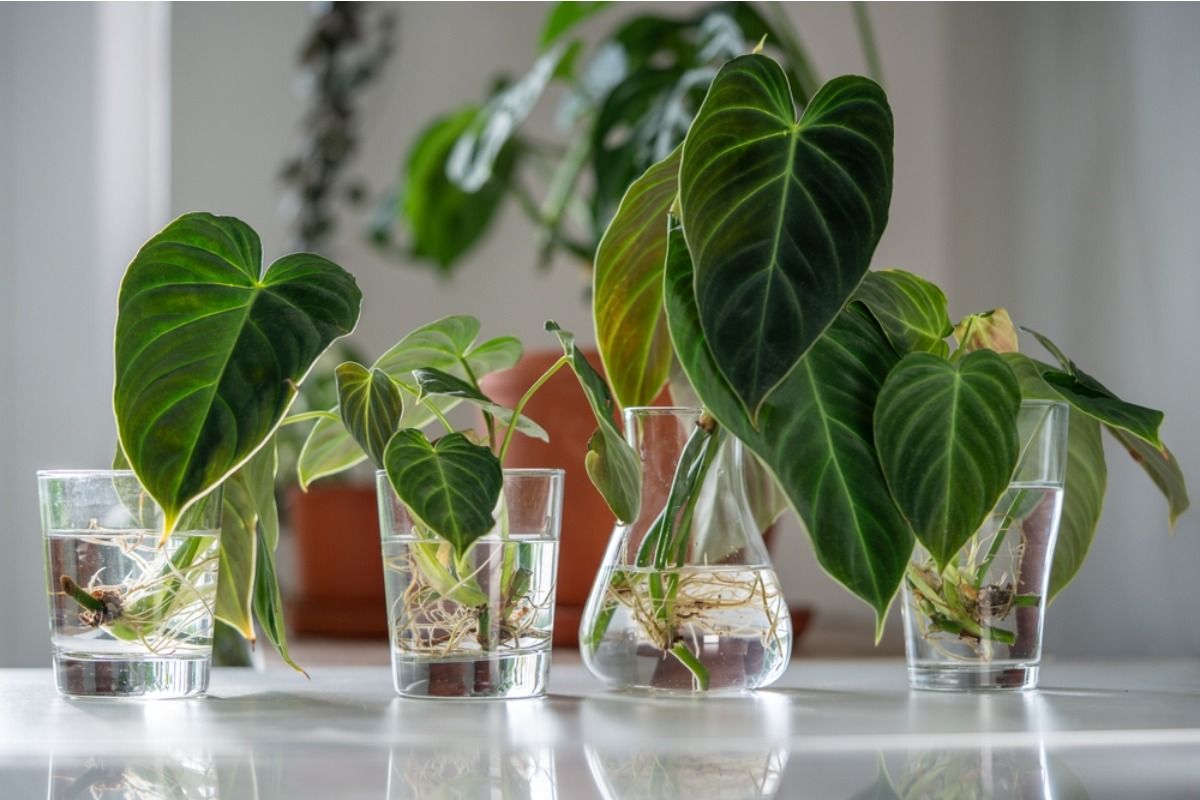
Methods like Hydroponics allow plants to grow using nutrient-rich water instead of soil. What once required specialized setups is now available in simple home kits. Many beginners are trying it for the first time. The barrier to entry has dropped significantly. Small spaces are no longer a limitation.
Faster Growth Surprises First-Time Growers
Plants grown without soil often develop faster because nutrients are delivered directly to the roots. There is less competition and more control over conditions. This leads to quicker visible results. Many gardeners are surprised by how rapidly herbs and greens grow. Efficiency becomes one of the biggest advantages.
Indoor Spaces Are Being Reimagined
Kitchen counters, window sills, and even vertical wall setups are now being used to grow food. Without soil, there is less mess and more flexibility in placement. This makes indoor gardening more practical. People are turning unused corners into productive growing areas. Space is used more creatively.
Water and Nutrient Control Is More Precise
Instead of relying on soil quality, growers can control exactly what plants receive. Nutrient solutions can be adjusted based on plant needs. This reduces guesswork. Consistency improves plant health. Controlled environments lead to more predictable results.
Less Risk of Soil-Related Problems
Growing without soil removes common issues like soil-borne pests and diseases. It also eliminates problems like compaction or poor drainage. This makes maintenance simpler for beginners. Fewer variables mean fewer unexpected setbacks. The system is cleaner and easier to manage.
Not All Plants Are Ideal for This Method
Leafy greens, herbs, and some vegetables perform very well in soil-free systems. However, larger plants or root crops can be more challenging. Beginners may need to start with simpler crops. Understanding plant suitability is important. Results vary depending on what is grown.
Setup Still Requires Attention
While maintenance may be easier, the initial setup needs care. Lighting, water circulation, and nutrient balance must be managed properly. Without soil as a buffer, mistakes can affect plants quickly. Regular monitoring is important. Success depends on consistency.
Small Spaces Benefit the Most
Apartments and homes with limited outdoor space are seeing the biggest impact. Soil-free systems allow gardening where it wasn’t possible before. Even a small shelf can produce fresh food. This makes growing more inclusive. Space is no longer a major barrier.
A Shift in How Gardening Is Viewed
This approach is changing the idea of what a “garden” looks like. It doesn’t have to be outdoors or in the ground. Food production can happen indoors, vertically, and in compact setups. Gardening becomes more flexible and modern. It adapts to different lifestyles.
Growing food without soil is opening new possibilities for home gardeners. By removing space and soil limitations, it’s allowing more people to grow fresh produce in places that were never considered before.