Why Some Balcony Gardens Produce Fresh Vegetables All Season While Others Stop Early Without Warning
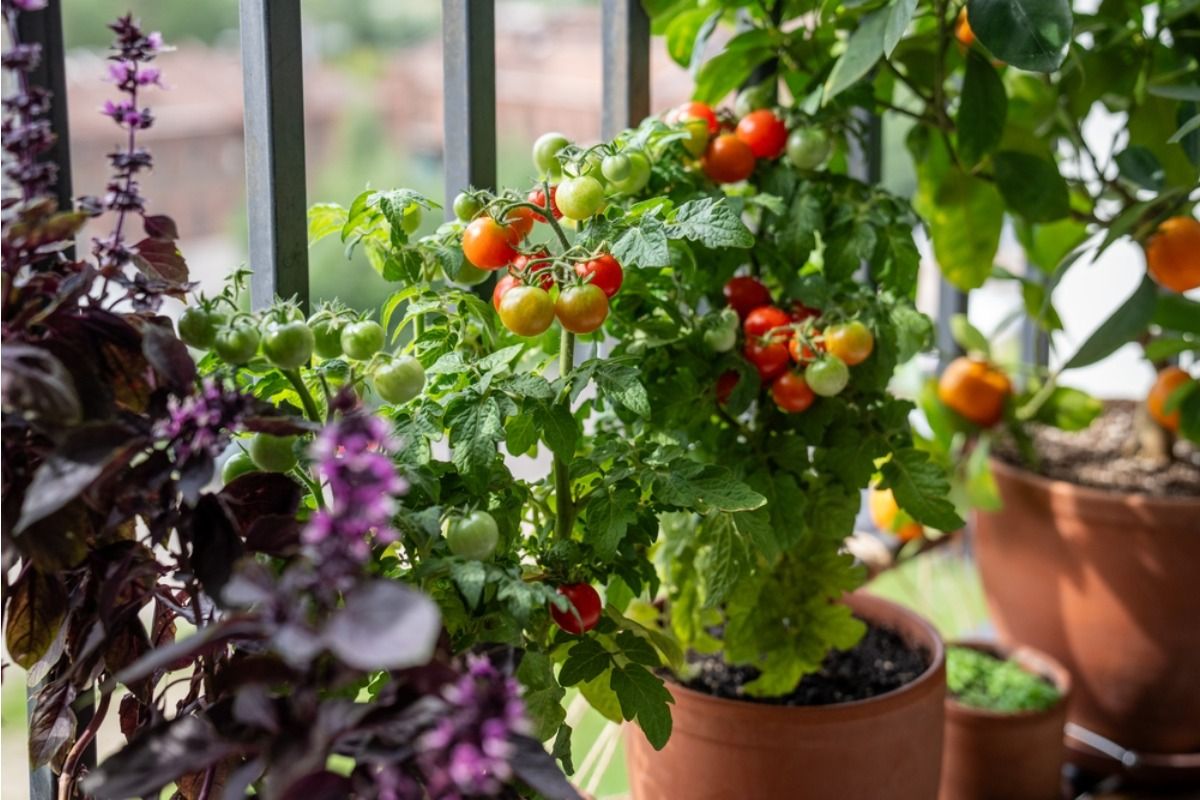
Some balcony gardens continue producing fresh vegetables all season, while others slow down or stop much earlier, even when they start off looking equally healthy. The difference usually comes down to a few small but important growing conditions that change over time.
Limited Pot Size Restricts Root Growth
Balcony gardens rely on containers, which naturally limit root space. In smaller pots, roots quickly fill the available soil and become restricted. Once roots are crowded, growth slows and production drops. Plants may look fine above the surface but lose productivity below. Larger or deeper containers help maintain steady output. Root space is one of the most important factors for long-season growth.
Nutrients Get Used Up Faster in Containers
Unlike ground soil, pots have a limited supply of nutrients. Fast-growing vegetables can quickly exhaust what’s available. Without regular replenishment, plants begin to slow down after early growth. This is why feeding schedules matter more in balcony gardens. If nutrients are not balanced, production often stops suddenly. Consistent feeding supports longer harvest periods.
Sunlight Changes Over the Season
Balconies often experience shifting sunlight as seasons change. Buildings, angles of the sun, and nearby structures can reduce light over time. Plants that once received full sunlight may later get partial shade. This reduces energy for fruiting and growth. Even small changes in light can affect yield. Consistent exposure is key for continuous production.
Watering Inconsistency Creates Stress
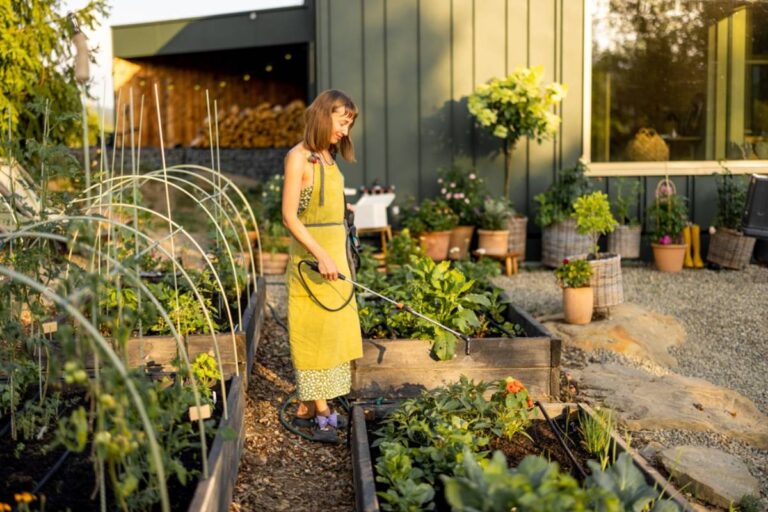
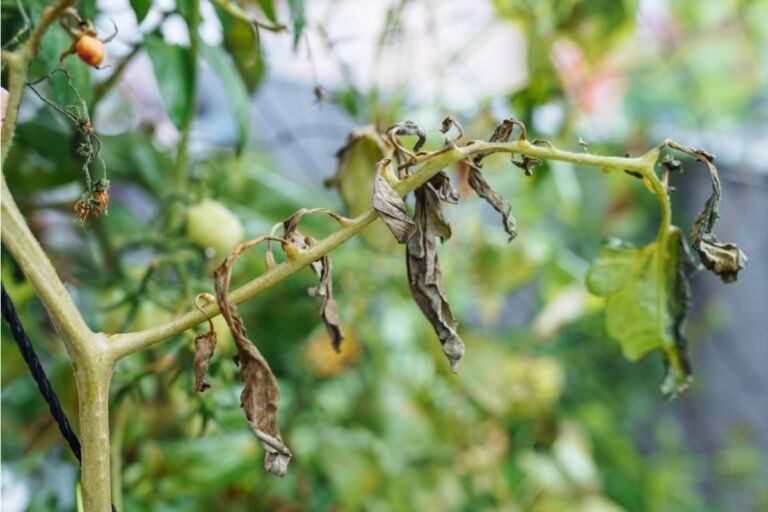
Container plants dry out faster than ground soil, especially in heat or wind. Inconsistent watering can stress plants without immediate visible signs. Over time, this stress reduces flowering and fruiting. Plants may suddenly slow down after appearing healthy. Stable watering habits are essential for steady production. Small fluctuations can have big effects.
Soil Quality Declines Over Time
Potting soil gradually loses structure and nutrients. Without refresh or replacement, it becomes less effective at supporting growth. Compacted or depleted soil limits root function. This leads to reduced plant performance mid-season. Fresh or improved soil helps maintain long-term productivity. Soil health directly impacts yield stability.
Temperature Fluctuations Affect Growth
Balconies often experience stronger temperature swings than ground gardens. Heat during the day and cooling at night can stress plants. Some vegetables are especially sensitive to these changes. This can slow growth unexpectedly. Stable temperatures help maintain consistent production. Extreme fluctuations shorten productive periods.
Overcrowding in Small Spaces
Many balcony gardeners try to maximize space by planting too many vegetables in one area. While this increases variety, it also increases competition. Plants compete for light, water, and nutrients. This reduces overall efficiency. Over time, some plants stop producing earlier than expected. Proper spacing improves longevity.
Lack of Ongoing Maintenance
Early-season care is often strong, but maintenance may decrease over time. Without pruning, feeding, and soil care, plant performance declines. Small issues can build up unnoticed. Regular attention helps prevent sudden drops in yield. Consistency is more important than intensity. Maintenance keeps plants productive longer.
Balanced Conditions Support Continuous Harvest
The most successful balcony gardens maintain balance in light, water, nutrients, and space. When these factors stay stable, plants continue producing for longer periods. Small adjustments can extend the harvest season significantly. It’s not just about starting strong, it’s about maintaining conditions. Stability is what keeps production going.
Some balcony gardens stop early not because of a single failure, but because of gradual changes in space, soil, and care. With the right balance, even small setups can stay productive throughout the season.