Experts Say Many Home Plants Fail to Reach Full Size Because of One Overlooked Early Growth Stage
Many home gardeners are surprised when their plants grow normally at first but never reach their expected full size. According to experts, this often happens because of one overlooked early growth stage: root establishment.
Early Root Development Sets the Limit for Growth
In the first few weeks, plants focus heavily on developing their root system. If this stage is weak or restricted, the plant cannot support strong growth later. Even if leaves look healthy, limited roots reduce long-term size potential. This hidden stage determines how large the plant can eventually become. Once this foundation is weak, it is difficult to fully recover.
Transplant Shock Slows Initial Growth
When seedlings are moved from small containers to larger pots or soil, they often experience stress. This “transplant shock” can temporarily slow root expansion. If conditions are not ideal during this time, roots may remain underdeveloped. This early setback affects the entire growth cycle. Many gardeners overlook this critical adjustment phase. Recovery depends on proper care immediately after transplanting.
Soil Structure Affects Root Expansion
If soil is too compact or poorly aerated, roots struggle to spread. This limits access to water and nutrients. As a result, plants remain smaller than expected even with good care. Loose, well-draining soil supports stronger root growth. Soil quality in the early stage has long-term effects. Root space is just as important as above-ground care.
Overwatering During Early Stage Is Common
Too much water in the early stage reduces oxygen around young roots. Without enough oxygen, roots develop slowly and weakly. This creates long-term limitations on plant size. Many gardeners mistake frequent watering for good care. In reality, balance is more important than quantity. Early overwatering can quietly restrict full growth.
Light Exposure Shapes Early Energy Use
Young plants rely on light to build energy for growth. If light is insufficient during early stages, root and stem development slows. Even temporary low light conditions can affect final plant size. Consistent early sunlight helps establish strong growth patterns. Light quality matters as much as duration. Early energy balance sets long-term performance.
Nutrient Imbalance Can Stall Development
Too few nutrients can slow early growth, but too many can also disrupt development. Excess fertilizer may push leafy growth without strong roots. This imbalance affects long-term stability. Plants need a balanced start to grow to full potential. Early nutrition must support structure, not just speed. Balance is key in the foundation stage.
Crowding in Early Growth Reduces Potential
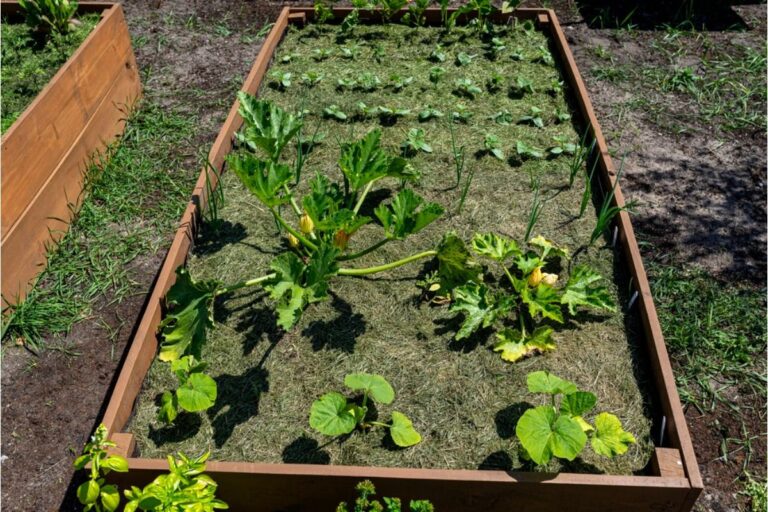
If seedlings are grown too close together, they compete early for resources. This limits root expansion and slows development. Even after transplanting, early competition effects can remain. Spacing from the beginning helps avoid long-term limitations. Early overcrowding often leads to permanently smaller plants. Proper spacing ensures full growth potential.
Early Stress Has Lasting Effects
Stress during the early stage, whether from temperature, watering, or handling, can permanently affect plant development. Even if conditions improve later, growth may not fully recover. Plants carry the impact of early conditions throughout their lifecycle. This is why the first stage is so critical. Prevention is more effective than correction.
Strong Early Growth Leads to Full Size Plants
When early conditions are balanced, proper soil, watering, light, and spacing, plants are more likely to reach their full size. A strong foundation allows consistent growth throughout the season. Early care has long-term impact on yield and structure. Success is often determined before the plant even looks fully developed. The early stage defines the final outcome.
Experts emphasize that many growth problems in home gardens are not caused later in the season, but are actually decided in the earliest stage of development.