Gardener Says Family Members Keep Harvesting Vegetables for Friends Without Asking, Now She Never Knows What Will Be Missing
When Linda Hayes started her backyard vegetable garden in suburban Illinois, it was meant to be something small and personal. She wanted fresh tomatoes for salads and a few herbs for cooking, nothing more.
Over time, the garden grew into a surprisingly productive space that neighbors admired from the fence. Linda did not mind sharing a few extras when asked. But what began as occasional generosity slowly turned into something unpredictable. And soon, she realized she was no longer the only one deciding what left her garden.
The First Missing Tomatoes
It started quietly with a few ripe tomatoes disappearing before Linda planned to pick them. She assumed birds or weather damage at first. But the plants looked too cleanly picked for that explanation. When she mentioned it to her husband, he shrugged it off as normal garden loss. Linda let it go.
A Family Member Admits a Favor
A week later, her cousin visiting from nearby casually mentioned taking a few vegetables for a friend. He said the garden looked abundant enough to share. Linda was surprised because she had not been asked. She reminded him that she preferred to decide what gets picked. He apologized, but seemed to think it was minor.
More Requests Without Conversations
After that visit, other relatives began showing up more often. They would walk through the garden, pointing at vegetables and commenting on how their friends would love them. Sometimes they left with small bags of produce. Linda noticed no one asked permission in advance anymore. It was treated as something already agreed upon.
The First Real Argument
One afternoon, Linda stopped a family member mid harvest. She asked who the vegetables were for. The response was that they were for a neighbor who “really needed fresh food.” Linda explained she had plans for those crops. The conversation ended awkwardly, with both sides frustrated.
Friends She Has Never Met
Linda started hearing about people she had never met receiving vegetables from her garden. Names were mentioned casually during family gatherings. It felt like her garden had a distribution list she never created. When she asked for clarification, answers were vague. “They just needed it” became the repeated explanation.
Harvest Timing Becomes Unpredictable
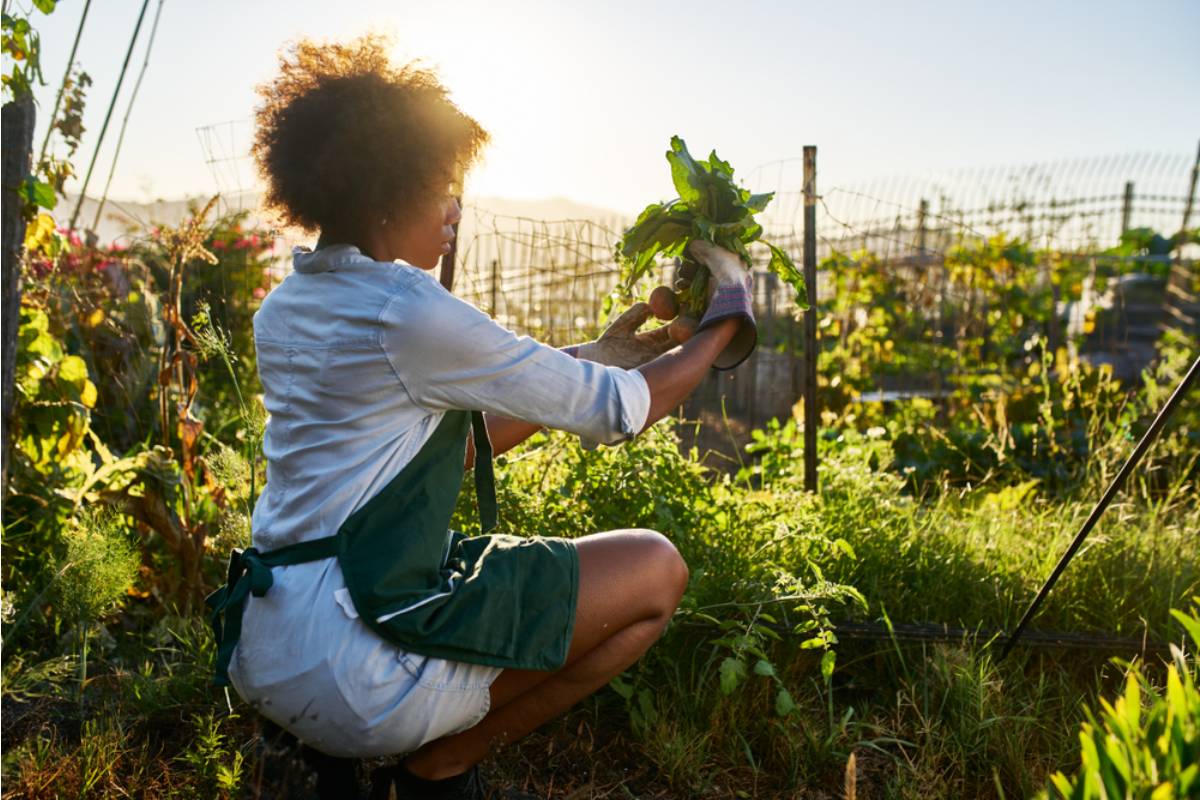
Linda began noticing entire sections of crops disappearing overnight. Zucchini, cucumbers, even peppers were gone before she could harvest them. She tried marking rows to track what was being taken. The markings did not help. Someone always seemed to get there first.
A Conversation at the Fence
One evening, Linda confronted a relative while they were picking herbs. She explained that she felt out of control of her own garden. The relative responded that she was being generous and should feel good about it. Linda said generosity requires asking. The disagreement ended without resolution.
Neighbors Assume It Is Shared
A neighbor once thanked Linda for the vegetables she “sent through her cousin.” Linda had not sent anything. That was the moment she realized her reputation had shifted without her involvement. People assumed her garden was community shared. She never agreed to that idea.
Attempts to Set Boundaries
Linda put up a small sign asking visitors to check before harvesting. The sign was ignored within days. Some relatives said it made things feel awkward. Others said it was unnecessary since everything grew back anyway. Linda started feeling like her boundaries were being treated as suggestions.
The Garden Starts Producing Less for Her
By midseason, Linda realized she was harvesting less for her own home. Meals that once depended on her garden now required store bought produce. She found herself planning around what might still be available. The garden no longer felt predictable. It felt negotiated.
A Family Meeting Turns Tense
Linda finally called a family gathering to address the issue. She explained how the lack of communication was affecting her. Some relatives were defensive, others confused. One said she should be proud her garden helps so many people. Linda said pride was not the issue. Control was.
A Misunderstanding That Won’t End
Even after the meeting, harvesting continued. People believed they were continuing a tradition of sharing. Linda believed they were crossing boundaries. Both sides thought they were doing the right thing. That difference made resolution harder than expected.
Linda Starts Locking the Gate
Eventually, Linda installed a lock on the garden gate. She did not announce it in advance. When asked, she simply said she needed time to reset things. The first time a relative found it locked, they looked genuinely surprised. They said it felt unnecessary.
Rebuilding Trust From Scratch
Linda began reintroducing small, controlled sharing on her own terms. She handed out vegetables directly when she chose to. Slowly, people adjusted to asking first. It was uncomfortable at the beginning for everyone involved. But the unpredictability started to fade.
What the Garden Became Afterward
The garden is still productive, but now it is managed with clear boundaries. Linda knows exactly what is harvested and when. Family members still visit, but they ask before picking anything. The tension has not completely disappeared, but it is more manageable. And for Linda, that was the first time in a long while the garden felt like hers again.