A Backyard Gardener Says Family Members Keep Harvesting Vegetables Too Early, Now It’s Affecting the Entire Growing Cycle
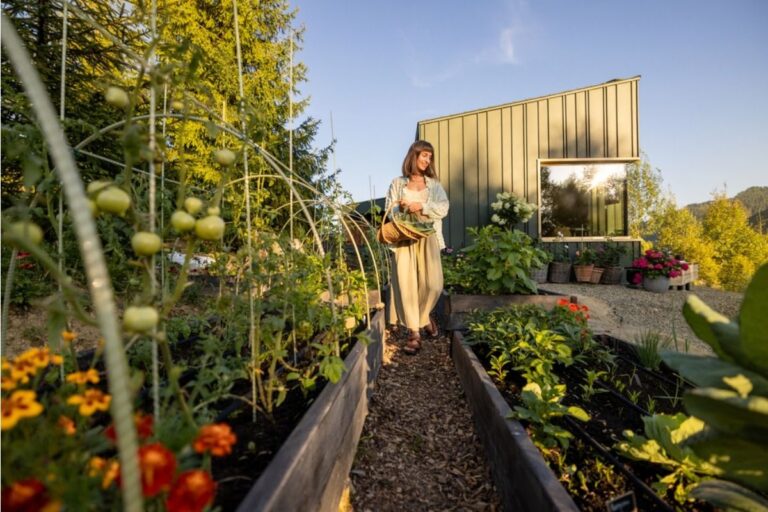
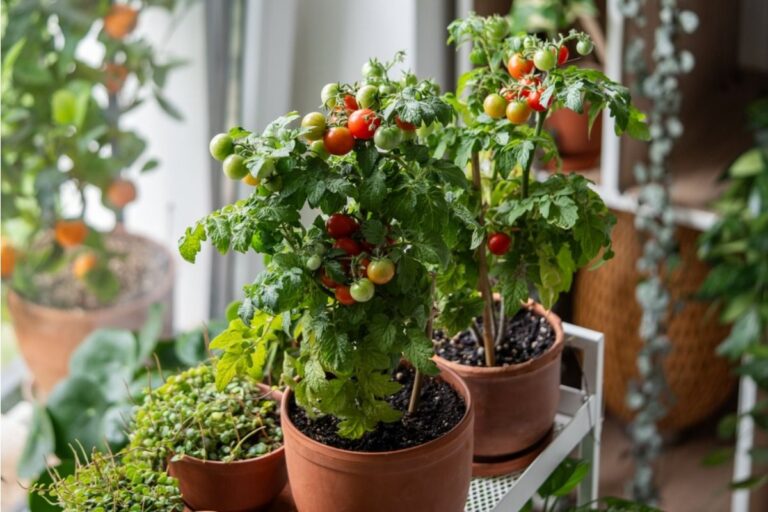
It began when a backyard gardener noticed his vegetables were being picked earlier than expected. At first, he thought it was just excitement, family members grabbing fresh produce as soon as it appeared. But over time, he realized many of the vegetables weren’t fully developed. Tomatoes were still pale, cucumbers were undersized, and peppers hadn’t reached their full color. What seemed like harmless enthusiasm started affecting the garden’s rhythm. The harvest cycle was quietly being disrupted.
Plants Were Losing Their Natural Timing
As more vegetables were picked early, the plants began reacting differently. Some slowed down their production, while others produced smaller yields. The gardener noticed that certain plants weren’t maturing properly anymore. Early harvesting was interfering with the plant’s natural growth signals. Without reaching full maturity, the plants weren’t completing their cycle. This started affecting overall output.
The Flavor and Quality Took a Hit
When vegetables are picked too soon, they often lack the flavor and texture they’re meant to develop. The gardener began hearing mixed reactions at the dinner table. Some vegetables tasted bland, others felt too firm or underdeveloped. What was meant to be fresh and homegrown started losing its appeal. The difference between “ready” and “picked early” became obvious. Quality was no longer consistent.
Communication Became the Real Challenge
The gardener tried explaining the importance of timing, but it wasn’t always taken seriously. Family members saw vegetables as ready once they appeared edible. The idea of waiting for peak ripeness felt unnecessary to them. This created a gap in understanding. What he saw as a process, others saw as immediate availability. The issue became less about plants and more about coordination.
Attempts to Protect the Harvest
He started marking certain plants and even setting informal “do not pick yet” rules. In some cases, he harvested earlier himself just to avoid losing control completely. But these were temporary fixes. The unpredictability remained. The garden no longer felt fully managed. His routine started adjusting around others’ actions.
The Cycle Began to Shift Noticeably
After a few weeks, the overall yield of the garden changed. Fewer vegetables reached full size, and some plants stopped producing as much. The gardener realized the issue wasn’t isolated, it was affecting the entire system. One small habit had ripple effects. The balance he had maintained was slowly breaking down.
A Lesson in Timing and Patience
Eventually, he gathered everyone and explained how plant cycles work in simple terms. He showed the difference between early and fully ripened vegetables side by side. That visual comparison made a bigger impact than words alone. Slowly, habits began to change. Waiting became part of the process. Understanding replaced assumption.
A Garden That Needed Shared Awareness
The experience highlighted how gardening isn’t just about planting and watering, it’s about timing and coordination. When multiple people are involved, awareness becomes essential. Even small actions can affect long-term results. The garden depends on consistency. Everyone plays a role.
A Small Habit With Bigger Consequences
What started as early picking turned into a lesson about patience and process. The gardener realized that protecting a harvest sometimes means teaching others how it works. The family began to see the garden differently. It wasn’t just food, it was a system. And timing was everything.