Balcony Gardeners Are Combining Flowers and Vegetables Together, And It’s Creating Both Beauty and Food in Small Spaces
Balcony gardeners are increasingly mixing flowers and vegetables in the same setup, and this approach is turning small urban spaces into areas that are both visually attractive and productive for food growing.
Flowers and Vegetables Are Sharing the Same Space
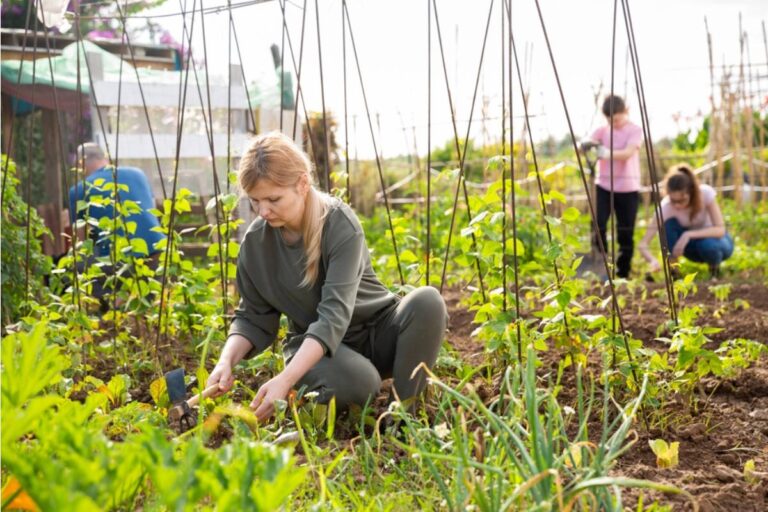
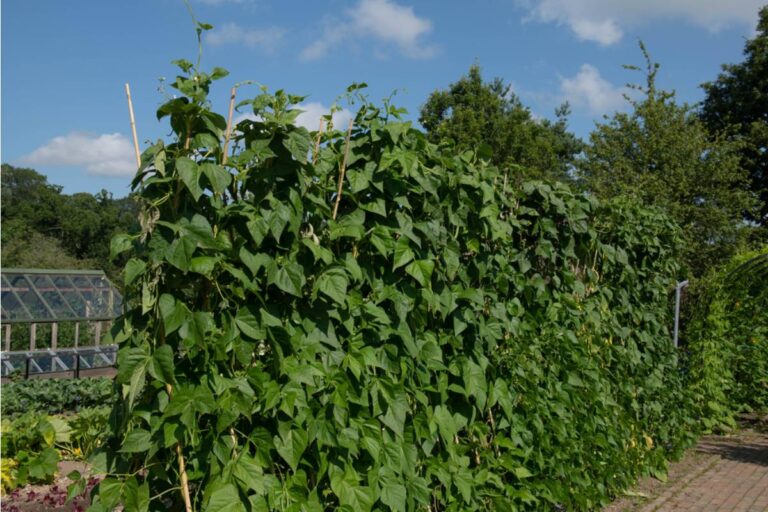
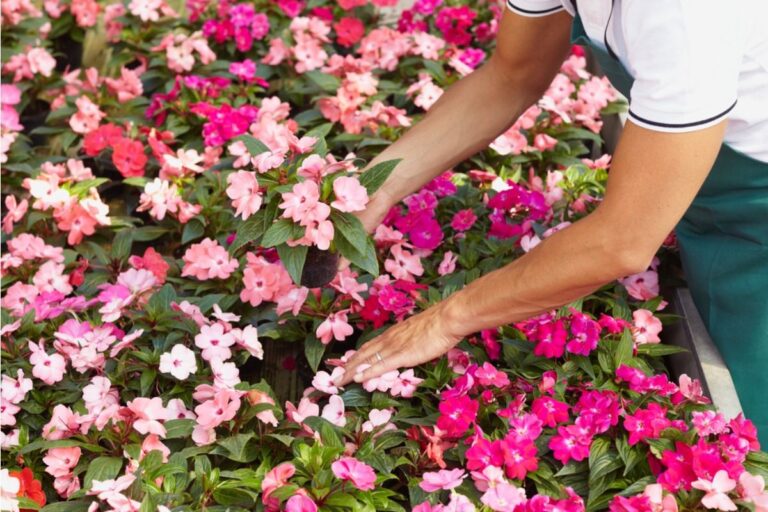
Instead of separating ornamental plants from edible ones, gardeners are planting them together in containers and balcony boxes. This makes even a small space feel full and layered. Vegetables provide food, while flowers add color and structure. The result is a more balanced garden. Beauty and function work side by side.
Pollinators Are Helping Improve Vegetable Growth
Flowers attract bees and other pollinators, which can improve the productivity of nearby vegetable plants. This natural interaction supports better flowering and fruiting in crops like tomatoes and peppers. Even small balcony gardens benefit from this effect. Biodiversity increases in a compact area. Nature starts working within limited space.
Space Efficiency Is Being Maximized
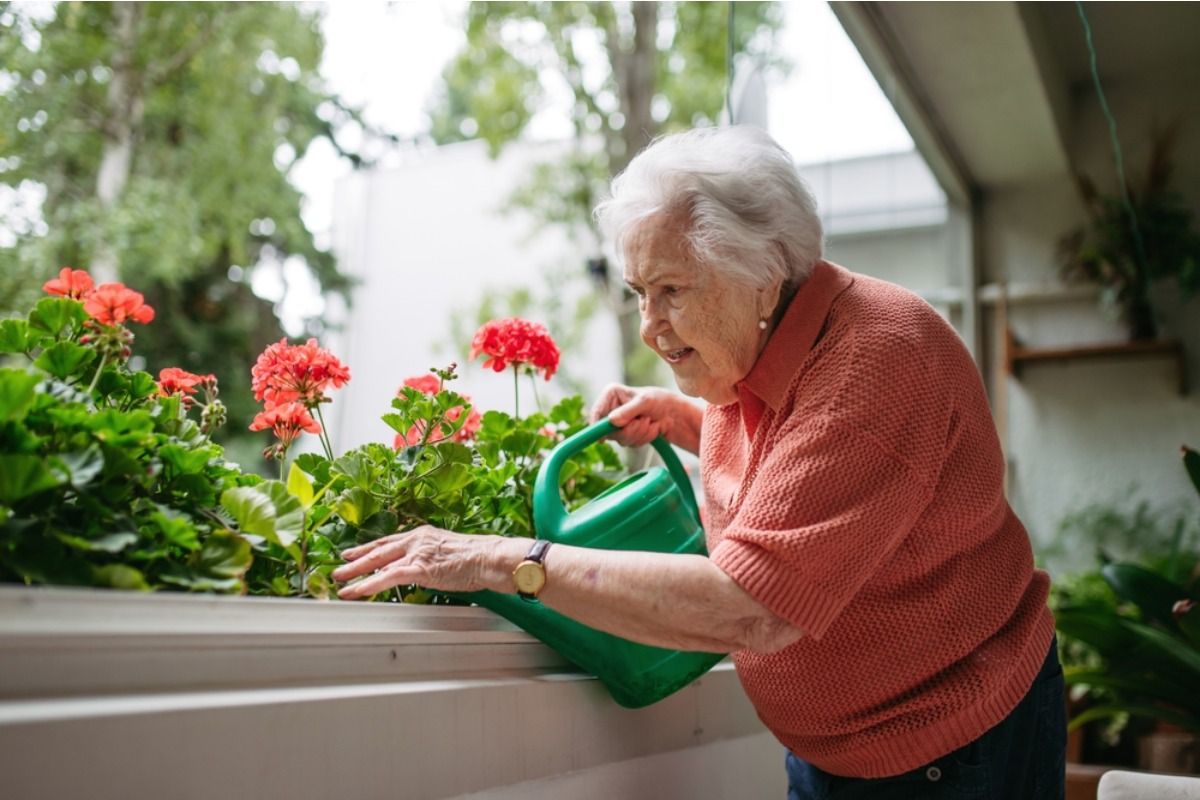
Combining plants allows gardeners to use every corner of a balcony more effectively. Hanging baskets, railing planters, and stacked pots can all hold mixed plant types. This reduces wasted space. A single container can serve multiple purposes. Productivity increases without expanding area.
Aesthetic Value Encourages More Gardening
Many people find mixed flower-and-vegetable gardens more visually appealing. This makes gardening feel less like work and more like decoration. Beautiful setups encourage consistency in care. People are more likely to maintain attractive spaces. Design becomes part of gardening motivation.
Companion Planting Is Improving Results
Certain flowers help protect vegetables from pests or improve soil conditions. For example, marigolds are often used to reduce harmful insects. This creates a more natural balance in the garden. Plants support each other in small ecosystems. The combination becomes more functional over time.
Small Harvests Are Becoming More Consistent
Even limited balcony space can now produce regular herbs and vegetables alongside flowers. While quantities are small, they are steady. This provides fresh ingredients for daily cooking. Gardening becomes more practical. Output is consistent throughout the season.
Maintenance Is Manageable in Compact Setups
Mixed gardens in containers are easier to manage than large separate beds. Watering, pruning, and care are done in one unified system. This reduces effort while maintaining variety. Tasks become quicker and simpler. Efficiency improves daily upkeep.
Seasonal Rotation Keeps Gardens Active
Gardeners often swap plants based on season, keeping flowers and vegetables rotating throughout the year. This keeps balconies active instead of dormant. It also maintains visual interest. Productivity and aesthetics remain balanced. Change becomes part of the system.
Better Use of Limited Urban Space
Balcony gardening is no longer just about growing food, it’s also about creating livable, green environments. Combining flowers and vegetables turns small spaces into multifunctional areas. Even dense cities gain pockets of greenery. Space feels larger and more useful.
A Growing Trend in Urban Gardening
This mixed approach reflects a broader shift toward multifunctional home gardening. People want both beauty and practicality from the same space. As urban living becomes tighter, efficient and attractive gardening methods are gaining popularity. Small balconies are becoming productive, decorative ecosystems.