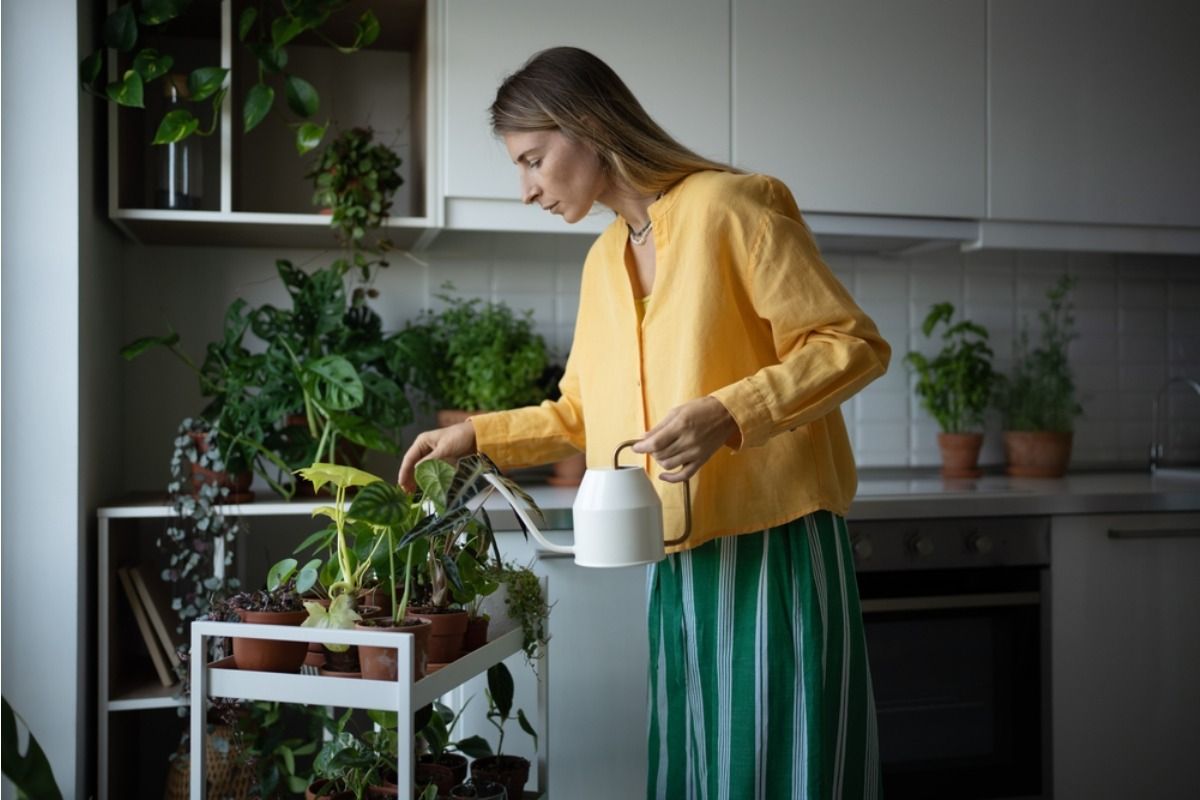
A Backyard Grower Says His Plants Thrive When Left Alone but Struggle With Too Much Care, And It’s Changing How He Gardens
A backyard grower says his plants thrive when left alone but struggle with too much care, and what began as careful gardening habits has turned into an unexpected lesson about balance, observation, and restraint in the garden.
The Garden Was Treated Like a Daily Project
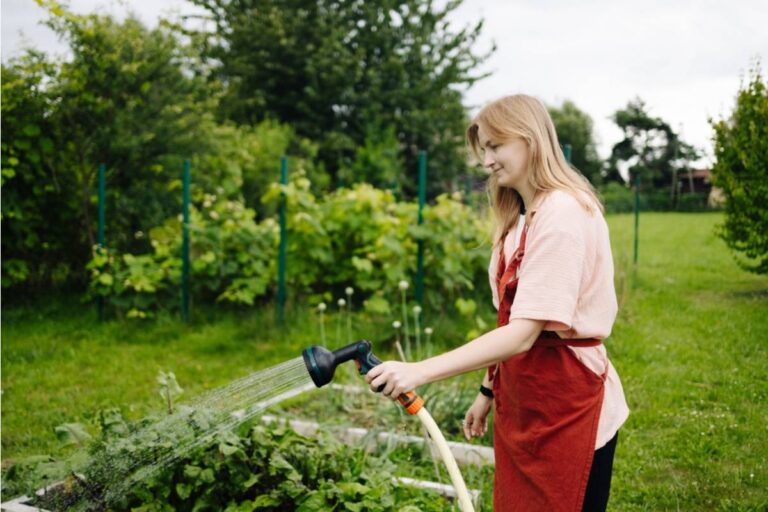
At first, he treated gardening like a constant task. Every morning involved checking leaves, adjusting soil, and watering carefully. He believed more attention meant better results. And he rarely left anything untouched. It felt responsible at the time.
Over-Care Became a Routine
Slowly, his routine became intense. He pruned often, fertilized frequently, and rearranged plants regularly. Nothing was left to “just grow.” Every detail was managed. And the garden became a controlled space rather than a natural one.
The Plants Started Acting Differently
Instead of improving, the plants began to look stressed. Some leaves curled slightly. Growth slowed in certain areas. Others became weak despite constant attention. The more he did, the more unpredictable the results became.
A Few Plants Were Accidentally Left Alone
In one section of the garden, a few plants were unintentionally ignored for a while. He hadn’t gotten around to them. No extra watering, no trimming, no adjustments. They were simply left to grow on their own.
Those Neglected Plants Surprised Him
When he finally checked that section, those plants looked stronger than expected. They were taller, greener, and more stable. They didn’t show the same stress as the others. That contrast immediately caught his attention.
He Began Experimenting With Less Intervention
Curious, he started leaving other plants alone for longer periods. Instead of constant adjustments, he stepped back. He only intervened when necessary. And slowly, patterns began to emerge in the garden.
Less Attention Often Meant Better Growth
To his surprise, the less he interfered, the better some plants performed. They adapted naturally to their environment. Their growth felt more stable and consistent. And they didn’t show signs of stress from frequent changes.
Over-Correction Seemed to Be the Problem
He realized that constant tweaking was disrupting natural growth. Overwatering, over-pruning, and frequent changes were affecting stability. The plants weren’t failing on their own, they were being constantly adjusted. And that interference was part of the issue.
The Garden Started Feeling More Natural
As he reduced intervention, the garden became less rigid. Plants had space to grow at their own pace. The overall environment felt more balanced. And maintenance became simpler over time.
He Learned to Observe Instead of Control
Instead of reacting to every small detail, he began watching and waiting. Observation replaced constant action. He only stepped in when there was a clear need. And that shift changed his entire approach to gardening.
A Lesson in Letting Nature Lead
In the end, the experience isn’t just about plants, it’s about understanding that sometimes growth improves not with more control, but with enough space to let nature do what it already knows how to do.