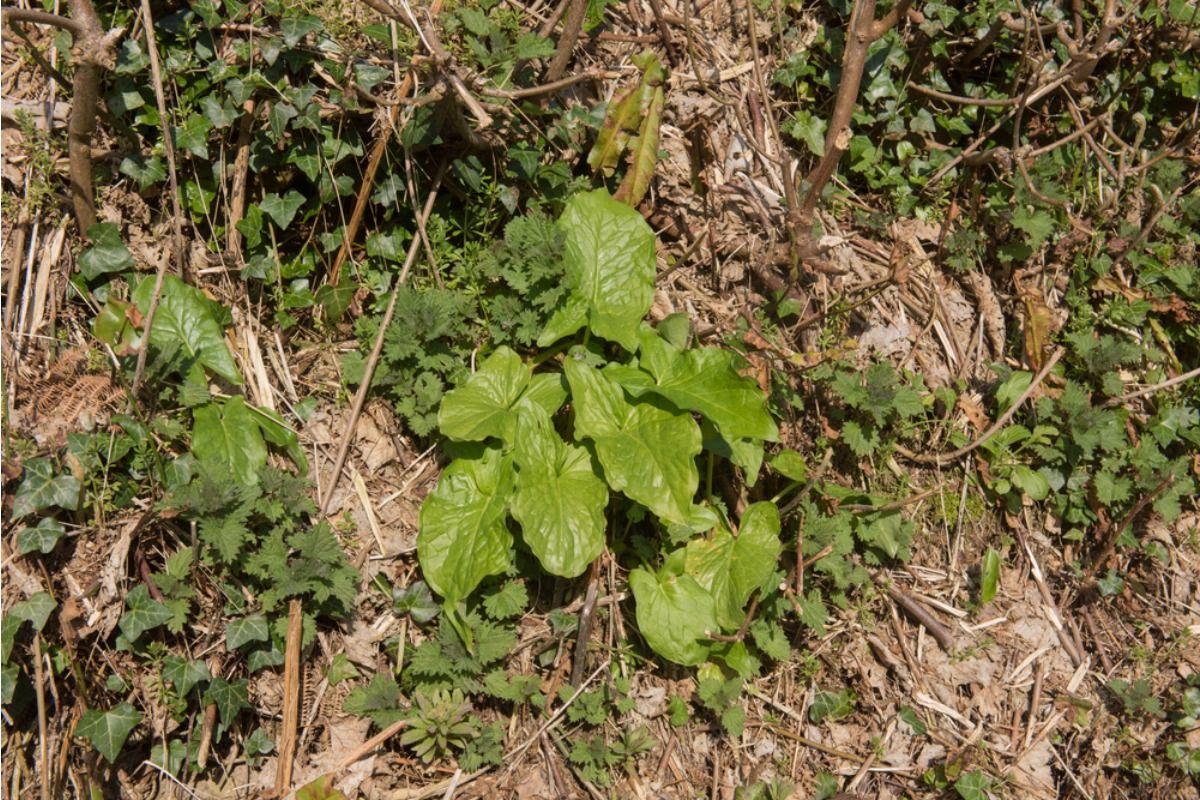
Some Home Gardeners Are Letting Plants Grow Wild Without Pruning, And It’s Dividing Opinions on Control vs Natural Growth
Some home gardeners are choosing to let their plants grow wild without pruning, and what began as a small experiment has turned into a broader debate about control, aesthetics, and natural growth.
A Shift Away From Traditional Gardening Rules
It started with a few gardeners deciding to stop trimming and shaping their plants. The idea was simple: let nature take its course. Instead of carefully pruning, they allowed vines, shrubs, and herbs to grow freely. At first, it looked messy to outsiders. But to them, it felt more natural. The garden was no longer being controlled, it was being observed.
The First Changes Looked Unorganized
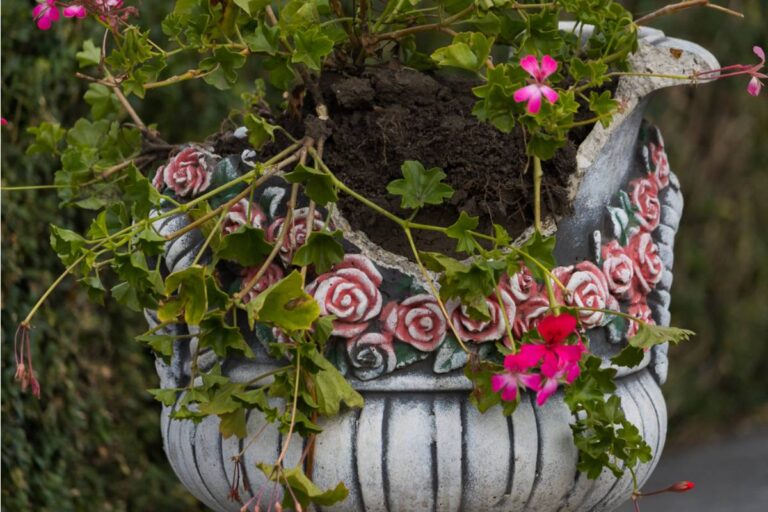
Within weeks, plants began to spread in unexpected directions. Branches overlapped, and flowers appeared in places that weren’t planned. Paths became narrower as greenery expanded. Some gardens looked less structured than before. To some visitors, it seemed neglected. But to the gardeners, it was simply unedited growth.
Healthier Growth Appeared in Some Cases
In certain gardens, plants actually seemed to thrive without pruning. Leaves grew larger, and some flowers bloomed more freely. The absence of trimming reduced stress on the plants. Natural patterns started to appear. These results encouraged supporters of the method. They saw it as proof that less intervention could work.
Other Gardens Became Overcrowded
Not all outcomes were positive. Some spaces became dense and tangled. Plants competed for light and air. Smaller species struggled under heavier growth. In these cases, lack of pruning led to imbalance. The garden lost structure and clarity. Maintenance became more difficult over time.
The Debate Between Control and Freedom Emerged
Gardeners began discussing whether pruning was necessary or overly controlling. One side argued that shaping plants improves health and productivity. The other side believed natural growth should not be interrupted. Both perspectives had valid points. The discussion wasn’t just about plants, it was about philosophy. Control versus freedom became the central theme.
Aesthetic Differences Became Noticeable
Pruned gardens maintained clean lines and defined shapes. Wild gardens developed softer, irregular forms. Some people preferred the structured look. Others found beauty in the unpredictability. The contrast between the two styles became visually striking. And opinions varied widely depending on preference.
Maintenance Demands Shifted Instead of Disappearing
Even without pruning, gardens still required attention. Weeds spread more easily in some areas. Certain plants needed support as they grew taller or heavier. While pruning was reduced, other forms of care increased. The idea of “less work” wasn’t always accurate. Maintenance simply changed shape.
Wildlife Interaction Increased in Wild Gardens
In less controlled spaces, insects and small wildlife became more visible. Pollinators found more varied environments. Birds and bugs interacted with denser vegetation. This added ecological activity to the garden. Some gardeners welcomed this change. Others found it harder to manage.
Neighbors Noticed the Difference
As the approach spread, neighboring gardens became part of the conversation. Some admired the natural look. Others felt it lowered visual standards in shared spaces. This created quiet disagreement in some communities. Gardening choices became more visible than expected. And more socially significant.
The Question of “Healthy” Growth Became Central
What looked healthy in one garden didn’t always look healthy in another. Some equated structure with health, others saw freedom as healthier. The definition itself became debated. Plants didn’t offer a single answer. Interpretation depended on perspective. And that made consensus difficult.
A Gardening Trend Still Finding Its Balance
In the end, letting plants grow wild didn’t produce one clear outcome. It created variation, discussion, and experimentation. Some gardens flourished, others struggled. And most landed somewhere in between. The trend continues to evolve as gardeners try to balance control with natural growth.