Homeowners Are Debating Whether Sharing Extra Produce With Neighbors Is Expected, And Not Everyone Agrees on the Boundaries
Homeowners are debating whether sharing extra produce with neighbors is expected, and what once felt like a simple gesture of goodwill is now raising questions about boundaries, fairness, and unspoken expectations.
It Started With a Few Casual Offers
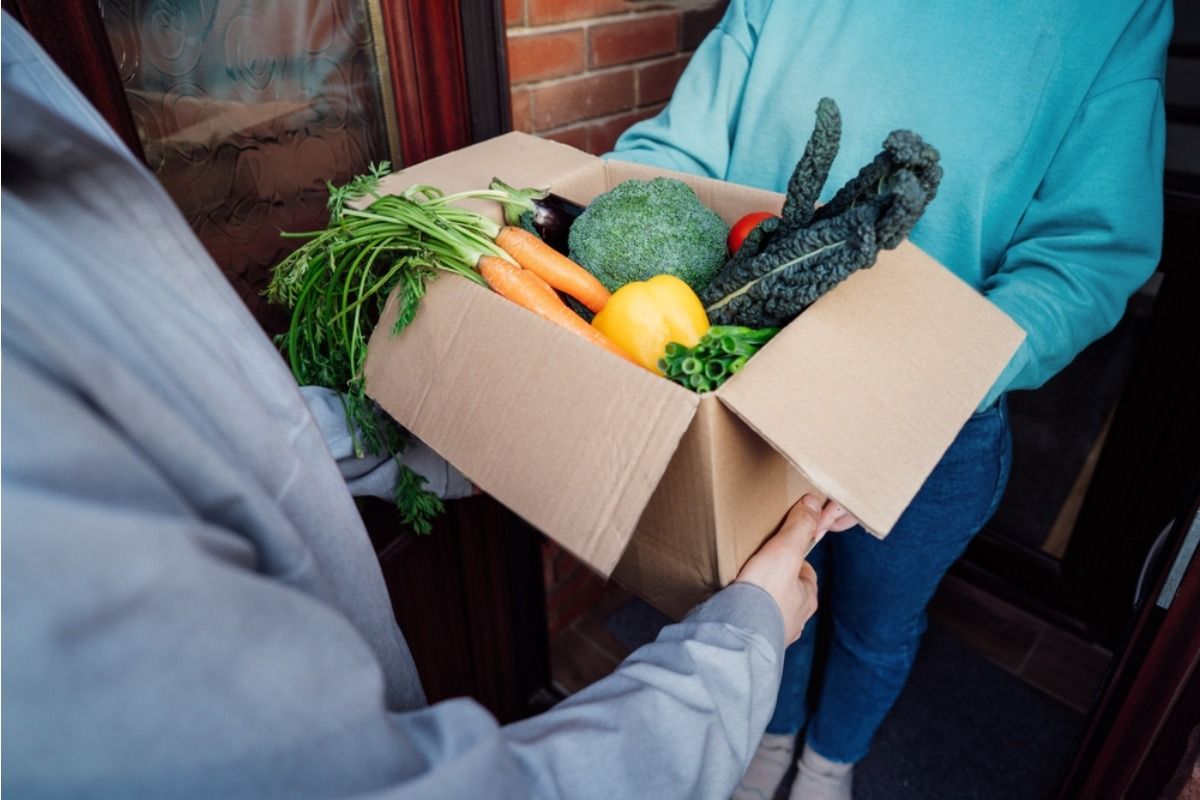
At first, it was just neighbors handing over extra tomatoes, herbs, or fruit from their gardens. The exchanges felt friendly and spontaneous. No one kept track of who gave what. It was simply about not letting food go to waste. These small gestures built a sense of community. But over time, patterns began to form.
Some Neighbors Began Expecting It
In a few cases, sharing stopped feeling optional. Certain neighbors started asking regularly for produce. It wasn’t always direct, but it was implied. Comments like “Got any extra this week?” became common. What was once a gift began to feel like an obligation. That shift changed the tone.
Gardeners Felt Pressure to Provide
Those growing food started noticing the expectation. Even when harvests were smaller, they felt watched. Saying no began to feel uncomfortable. The act of giving lost some of its spontaneity. It started feeling like something they should do. And that created quiet tension.
Not Everyone Had the Same Resources
Another issue came from differences in garden size and output. Some homeowners had large, productive spaces. Others had small setups or none at all. This created imbalance in who could give. Expectations didn’t always match reality. And that led to uneven dynamics.
Some People Preferred Clear Boundaries
A number of homeowners chose to stop sharing regularly. They wanted to keep their harvest for personal use or family. This wasn’t about being unwilling, it was about control. But setting that boundary wasn’t always easy. It sometimes changed how neighbors interacted. And that made the decision feel heavier.
Others Saw Sharing as Community Building
On the other side, some believed sharing should be part of neighborhood culture. They saw it as a way to build trust and connection. For them, giving extra produce felt natural. They didn’t expect anything in return. But they did expect openness. And sometimes that expectation wasn’t shared.
The Line Between Offering and Asking Became Blurry
What made the situation complicated was the difference between offering and being asked. Giving freely felt different from being requested. Even polite requests could feel like pressure. The boundary between generosity and obligation wasn’t always clear. And that caused confusion.
Social Dynamics Quietly Shifted
As these differences grew, neighbor interactions subtly changed. Some people became more reserved about discussing their gardens. Others avoided mentioning harvests altogether. What used to be a casual topic became more sensitive. The shift wasn’t loud, but it was noticeable.
A Few Tried Setting Informal Rules
Some homeowners began setting personal guidelines. They shared only during peak harvests or only with certain neighbors. Others exchanged produce instead of giving it freely. These small adjustments helped manage expectations. But they also formalized something that used to be informal.
The Idea of “Extra” Became Subjective
One person’s “extra” wasn’t always another’s. What looked like abundance to neighbors might have been carefully planned storage for the gardener. This difference in perspective created misunderstandings. It showed that assumptions were part of the problem. And that clarity was needed.
A Debate Without a Clear Answer
In the end, there’s no single rule about sharing produce. Some see it as generosity, others as a personal choice. The disagreement isn’t about right or wrong, it’s about expectations. And those expectations vary from one household to another.