A Gardener Returned From a Business Trip to Find Her Tomatoes Suffocating and Pumpkins Taking Over, Then One Exhausted Evening Changed How She Saw the Whole Garden
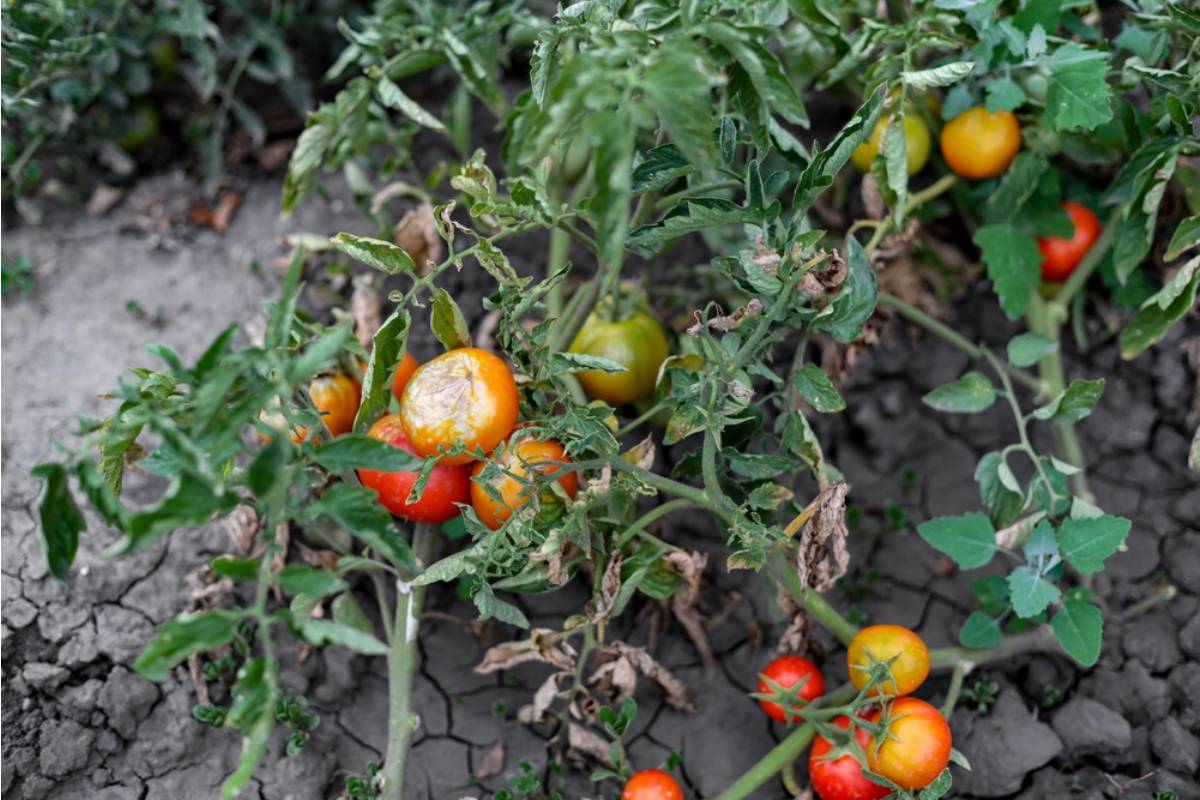
A person shared his story about returning from a business trip and immediately realizing his garden had gone completely off the rails. The tomatoes appeared to be suffering from root suffocation, the green bean plants had been stripped of their leaves, and the pumpkins were spreading everywhere. The strangest part was that the pumpkins were actually beautiful, making the disaster feel almost insulting.
He had originally planted cucumbers in one section, only to discover that he had somehow planted pumpkins there instead. By the time he returned, those pumpkins had decided they owned the entire garden. Their long vines were climbing, crawling, and tackling anything unfortunate enough to be nearby.
The Pumpkins Were Winning
He admitted that part of him was incredibly proud of the pumpkins. They were gorgeous, vigorous, and apparently determined to conquer every available inch of soil. Unfortunately, admiration and irritation were happening at exactly the same time.
He found himself staring at the vines and imagining the satisfying sound of ripping them out of the ground. It was not really the pumpkins’ fault, but after coming home to one gardening problem after another, they had become the obvious villains. The garden suddenly felt less like a peaceful hobby and more like a very leafy personal enemy.
The Temptation to Give Up
The person explained that the overwhelming feeling was bigger than any single plant. Every dead leaf seemed to represent another decision that had gone wrong, while every tangled vine reminded him of something he had forgotten to do. Even the plants that were technically surviving seemed to demand attention.
For a moment, the easiest solution seemed to be removing everything. He imagined clearing the beds, hauling away the mess, and pretending the entire season had never happened. Then he wondered whether experienced gardeners secretly felt exactly the same way.
A Person Offered a Different Perspective
A response from a person suggested that gardening has one enormous advantage: it is cyclical. When summer ends and plants begin looking miserable, gardeners eventually get permission to stop fighting every problem. What looks like failure can simply become the beginning of cleanup.
The response described clearing out plants that were no longer thriving, adding mulch, finishing the harvest, organizing garden equipment, and preparing for another season. Suddenly, the garden did not sound like a failed project. It sounded like something that was supposed to end so another attempt could begin.
The Garden Became a Teacher
Another response from a person pointed out that gardening teaches patience. That observation landed particularly well because the garden had apparently been testing everyone’s patience all summer. Plants grow when they want, weather changes without asking permission, and pests certainly do not care about anyone’s carefully written schedule.
Someone else said the lessons learned through gardening were one of the best parts of the hobby. The mistakes were frustrating while they were happening, but they eventually became information. Every failed crop quietly became a warning for the next growing season.
August Was the Real Villain
Several people seemed to agree that late summer was the hardest part. The excitement of spring planting was long gone, while the garden had reached the stage where heat, pests, weeds, and exhaustion all arrived together. August apparently had a special talent for making beautiful gardens look completely defeated.
One response compared the month to reaching the twentieth mile of a marathon. The finish line is technically close, but that knowledge does not make the remaining distance feel any easier. The gardener still has to keep moving while wondering why he ever thought running the whole thing was a good idea.
Sometimes Fifteen Minutes Is Enough
A response from a person offered a surprisingly simple strategy: stop trying to conquer the entire garden. Instead, set aside fifteen minutes during the cooler part of the day and do whatever can reasonably be accomplished. Then walk away.
That idea sounded almost too simple, but it changed the scale of the problem. Instead of looking at dozens of struggling plants, the gardener could focus on one small task. Fifteen minutes of progress suddenly seemed much less intimidating than an entire afternoon of garden warfare.
The Joy of Ripping Things Out
Another person admitted that removing dying plants could actually feel satisfying. Once a plant was clearly finished, there was no longer any reason to keep feeling guilty about it. Pulling it out became less like admitting defeat and more like making room.
The gardener began imagining the same possibility with his own beds. The tomatoes did not necessarily need to be rescued forever, and the pumpkins did not need to become permanent residents. Sometimes the most productive gardening decision is simply deciding that something’s season is over.
Not Every Failure Belongs to the Gardener
One person shared a particularly frustrating story about discovering that a neighboring black walnut tree might have been responsible for many garden problems. Deer had also managed to get through a barrier and eat precious okra and green beans. Suddenly, not every failure looked like a gardening mistake.
The lesson was strangely comforting. Gardeners can plan, water, fertilize, prune, protect, and obsess over every detail, but nature still gets a vote. Sometimes a struggling plant is not proof that someone failed. Sometimes the garden simply encountered something nobody could completely control.
Even a Disaster Can Become Compost
The idea of compost offered another unexpected twist. Plants that had failed could eventually return to the garden in a different form. What looked like a pile of dead vegetation could become part of the soil supporting next year’s growth.
That changed the meaning of failure completely. The ruined plants were not necessarily wasted effort because their remains could help create something better later. The garden was quietly recycling its disappointments while the gardener was still busy feeling bad about them.
The Overgrown Garden Needed a Different Strategy
One person described dealing with an entire yard filled with aggressive weeds, woody vines, and opportunistic trees. The problem was no longer a few unhealthy vegetables but an entire landscape that seemed determined to grow faster than anyone could manage. Loving the garden and feeling completely overwhelmed by it were apparently not mutually exclusive.
A response suggested covering vegetable beds with cardboard and holding it down with rocks to suppress aggressive perennial weeds. The beds could then be refreshed with compost when spring arrived. It was less about winning a battle every day and more about creating conditions where the gardener did not have to fight constantly.
The Gardener Finally Stopped Comparing
Another source of frustration came from seeing photographs of other people’s beautiful gardens. While someone else’s vegetables looked perfect, this garden seemed to be barely surviving. Comparing the two made every damaged leaf feel like evidence that the gardener was doing something wrong.
Eventually, the gardener realized that nobody photographs the afternoon when they discover spider mites, broken stems, weeds, or a single tomato after months of work. The beautiful garden is real, but so is the ugly part that usually stays outside the frame. Once that became clear, the garden felt slightly less like a competition.
Tomorrow Was Still Waiting
A response from a person repeated an old gardening idea: planting is ultimately an act of believing in what comes next. Even when the current season is disappointing, another season is already waiting somewhere ahead. That made the dead plants feel less final.
The gardener began thinking about what could be changed next year. Perhaps the tomatoes would get better drainage, the cucumbers would actually be cucumbers, and the pumpkins would be given enough space to behave themselves. The failures suddenly looked less like endings and more like instructions.
The Garden Was Not Actually Defeating Him
By the end, the urge to rip everything from the ground had not completely disappeared. But the gardener began to understand that wanting to clear a struggling garden did not mean he hated gardening. It might simply mean he was tired and needed permission to stop trying to save everything.
The greatest surprise was that the garden had not really been asking him to win. It had been teaching him when to let go, when to start again, and when fifteen minutes of work was enough. The pumpkins were still taking over, the tomatoes were still struggling, and the green beans were still missing their leaves—but somehow, the gardener was already thinking about next year.