Homeowner Says Her Dogs Had Quietly Shared the Yard for Years, Until a Neighbor’s Outdoor Cat Started Turning Her Garden Into Its Personal Lounge
A person shared his story about a surprisingly tense situation that began right outside his front door. For four years, he had enjoyed sitting on his porch while his dogs relaxed, played, and napped in their fenced yard without causing trouble. It was one of those simple household routines that rarely seemed worth thinking about, until a new neighbor arrived and brought along a very adventurous cat.
At first, nothing seemed particularly unusual about the neighboring couple moving in. Their front yard was slightly larger, both properties were fenced, and everyone appeared to have their own little corner of the street. Then, about six months later, the neighbors got a cat and decided to let it roam freely, apparently believing the entire neighborhood might become part of its territory.
Then the Cat Discovered the Garden
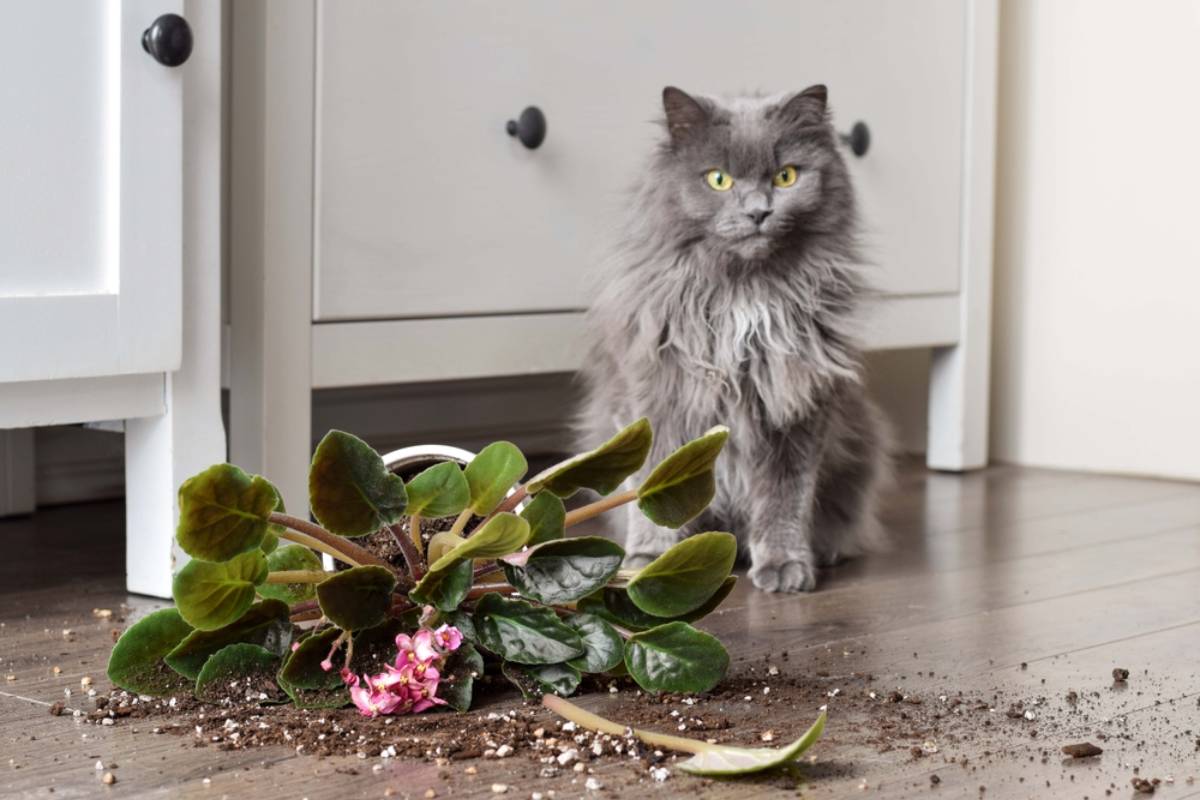
The cat quickly developed a particular interest in the person’s yard, especially the collection of pots he had spent considerable time arranging and tending. The plants were deliberately chosen to be safe for his dogs, and some were even edible, so the garden was clearly more than random decoration. Unfortunately, the visiting cat seemed to view those pots as a luxurious outdoor retreat.
Whenever the dogs noticed the cat, they would usually stare at it or approach curiously, but they did not chase it. The dogs had been trained from an early age to understand that cats were not prey or toys, and the cat normally retreated to its own yard whenever the dogs got close. Everything might have continued that way, with an occasional feline garden visit followed by a quick exit, except the neighbors apparently had other plans.
A Note Appeared With a Very Strange Demand
One morning, after returning from a walk with the dogs, the homeowner discovered a note from the neighbors. The message was not a friendly request to discuss the cat or a complaint about damaged plants. Instead, they demanded that he keep his dogs inside because their cat did not like them and apparently enjoyed spending time in his yard.
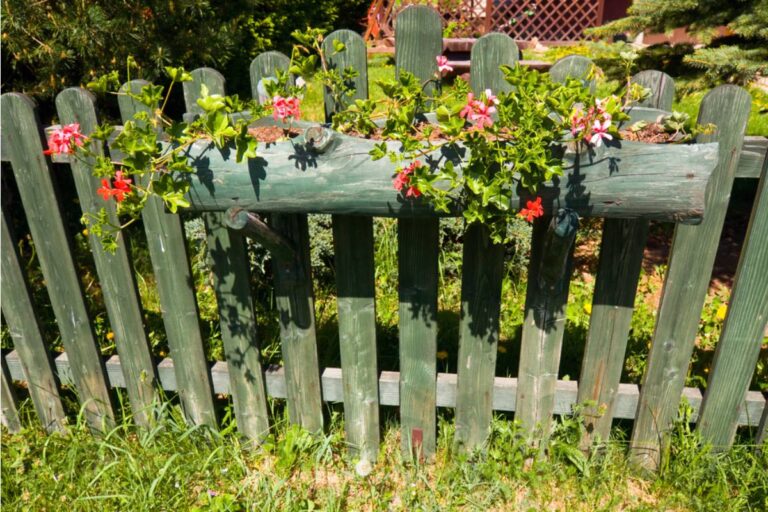
The request was especially surprising because the dogs were already inside their own fenced property. The homeowner had been living that way for four years, long before the neighbors arrived, and there had been no history of the dogs attacking or chasing the cat. The new demand effectively asked him to stop using his own outdoor space because another person’s pet preferred wandering into it.
The Homeowner Decided He Was Not Moving the Dogs
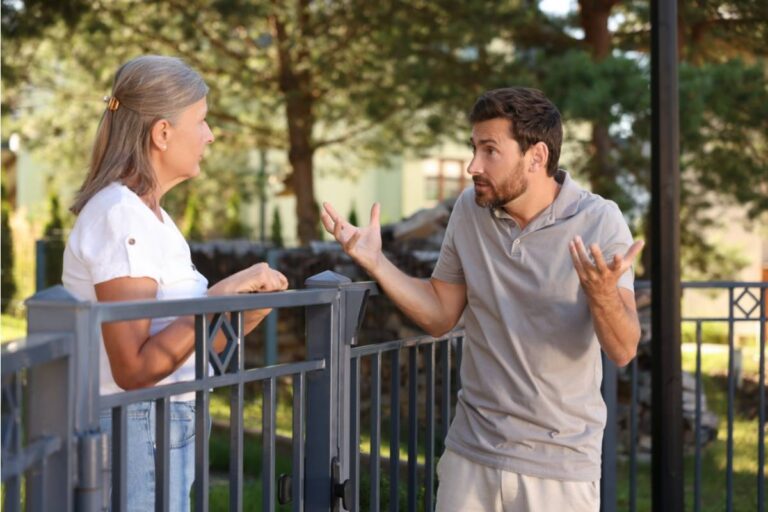
Rather than ignoring the note, the homeowner went over to speak with the neighbors directly. He explained that the dogs were in their own yard, were properly contained, and were not attacking or pursuing the cat. From his perspective, there was no obvious reason why his dogs should suddenly lose access to their favorite outdoor space.
The neighbors, however, had a completely different view of the situation. They pointed out that the dogs already received walks and training sessions at least twice a day and sometimes went hiking on weekends, so they argued that there was no need for them to be outside any more than that. The homeowner did not seem convinced that another pet’s preference should determine how often his dogs could enjoy their own yard.
Apparently, the Cat Wanted the Garden More Than the Dogs Did
The neighbors’ argument took an even stranger turn when they explained that their cat was mostly outdoors and enjoyed coming into the homeowner’s yard. According to them, keeping the cat away from those plants was apparently cruel because it liked lying down among them. In other words, the problem was not simply that the cat disliked the dogs.
The cat wanted access to someone else’s garden, and the dogs happened to be standing in the way. The homeowner responded by suggesting a remarkably simple solution: the neighbors could take care of their own yard and plant things the cat liked there. That suggestion did not go over well, and the conversation ended with a slammed door and a threat to call animal control if the cat ever ran back from his property.
Suddenly, the Garden Was at the Center of the Dispute
What started as a quiet front-yard routine had now become a dispute involving dogs, a wandering cat, and a collection of plants. The homeowner had spent significant time turning his garden into a space designed for his own household, even selecting plants with his dogs in mind. Now the neighbor’s cat was treating those same pots like a private lounge.
A response from a person pointed out the obvious contradiction: the neighbors seemed to be demanding that the homeowner stop enjoying his own property so their cat could continue wandering onto it. The homeowner’s reaction was essentially that he could not understand what had possessed them to make such a demand in the first place.
Then Came the Threat of Animal Control
The threat to involve animal control changed the mood of the entire situation. Rather than simply dealing with an annoying cat wandering between yards, the homeowner now had to consider whether the neighbors might escalate the dispute. A response from a person suggested that he should look into the rules governing outdoor cats in his area before the neighbors tried to turn the situation around.
That advice became particularly important when the homeowner checked the local bylaws. According to his update, there might not have been a traditional leash requirement for cats, but the rules stated that cats were supposed to remain contained on their owner’s property. Suddenly, the situation looked rather different from the way the neighbors had presented it.
The Cameras Became Part of the Garden Strategy
The homeowner decided that keeping records would be wiser than relying on memory. He changed the angle of one existing camera and ordered another that could cover more of the front yard, creating a clearer record of what happened whenever the cat entered the property.
That might sound excessive for a dispute involving a flowerpot, but the homeowner was worried about where the argument could lead next. A response from a person had warned that documenting the cat’s visits, the neighbors’ interactions, and the dogs’ behavior could become useful if accusations were ever made later. The peaceful garden was beginning to require something that looked suspiciously like surveillance.
The Plant List Suddenly Became Very Important
With the cat repeatedly returning to the yard, the homeowner started researching ways to make the garden less appealing without putting his own dogs at risk. He planned to strengthen the presence of plants such as rosemary and geraniums while continuing to research other options suitable for his particular situation. The garden was becoming part flower display, part pet-management project.
Other responses suggested a variety of household and landscaping deterrents, from citrus peels to rough natural materials and changes around the fence line. The homeowner said he had started experimenting with some of those ideas while also researching the safe use of other potential repellents. The goal was not to harm the cat, but to make the garden a less attractive place to nap.
The Dogs Had Already Been Trained Not to Chase
One question kept appearing from people reacting to the story: how could the dogs ignore the neighbor’s cat when one of them still struggled with chasing birds? The homeowner explained that his dogs had been around cats since they were puppies and had specifically been taught that cats were not prey or toys.
According to the homeowner, teaching that behavior had taken real effort, but the dogs understood the difference. They could be around cats, play with them, or even cuddle with them without treating them as something to chase. The bird problem was different because stubborn prey drive could make certain behaviors much harder to eliminate.
The Homeowner Was More Worried About What Came Next
The ongoing conflict left the homeowner with a bigger concern than a cat damaging his plants. He admitted that his biggest fear was escalation, particularly the possibility that the neighbors could eventually try something against his dogs because their initial demands were not working.
That concern was enough to make him more cautious around the yard. He decided to reinforce the dogs’ existing habit of refusing food from strangers, especially because he considered unfamiliar food one possible way someone might try to hurt them. The cameras suddenly felt less like an optional security feature and more like a sensible precaution.
A Simple Cat Visit Had Turned Into a Property Battle
The strangest part of the story was that the dogs were never actually chasing the cat. The cat was repeatedly choosing to enter the homeowner’s yard, the dogs were remaining on their own side of the fence, and yet the proposed solution was to restrict the dogs rather than contain the roaming pet.
A response from a person suggested that the situation was less about the animals themselves and more about the neighbors expecting everyone else to accommodate their cat. The homeowner seemed to reach the same conclusion, especially after being told that his dogs should spend more time indoors simply because the cat preferred his garden.
Then the Bylaws Changed the Whole Picture
After checking the local regulations, the homeowner found something that gave him another possible way forward. According to his update, the local rules required cats to be contained on their owner’s property, even though there was no specific leash law for cats. That meant the issue was no longer merely a disagreement over whose yard the cat liked better.
Instead of continuing the argument at the front door, the homeowner planned to contact animal control first and document the issue. He hoped they could explain the rules to the neighbors and perhaps issue a warning. The twist was that the neighbors had threatened to call animal control as though it were their strongest weapon, while the same agency might actually have something useful to say about their roaming cat.
Now the Garden Has a New Defender
By the end of the update, the homeowner had gathered cameras, reviewed the rules, researched garden deterrents, and started thinking much more carefully about protecting his dogs. He was not planning to give up the yard that he had spent years enjoying, especially when his dogs were already behaving appropriately. Instead, he was preparing to keep using the space while making sure there was a record of what happened.
For now, the dogs could still lounge in the garden, the plants could keep growing, and the cat could hopefully learn that not every inviting flowerpot came with a complimentary reservation. What began with a peaceful porch, a few pots, and two relaxed dogs had somehow become a neighborhood drama involving property boundaries, pet rules, security cameras, and an extremely determined feline. And judging by the homeowner’s final update, the garden may have been ready for the next chapter.