Beekeeper Says a Pest Control Technician Sprayed Ant Killer Just Five Meters From Two Established Hives, Then the Bees Began Disappearing and Their Final Honey Harvest Turned Into a Frightening Mystery
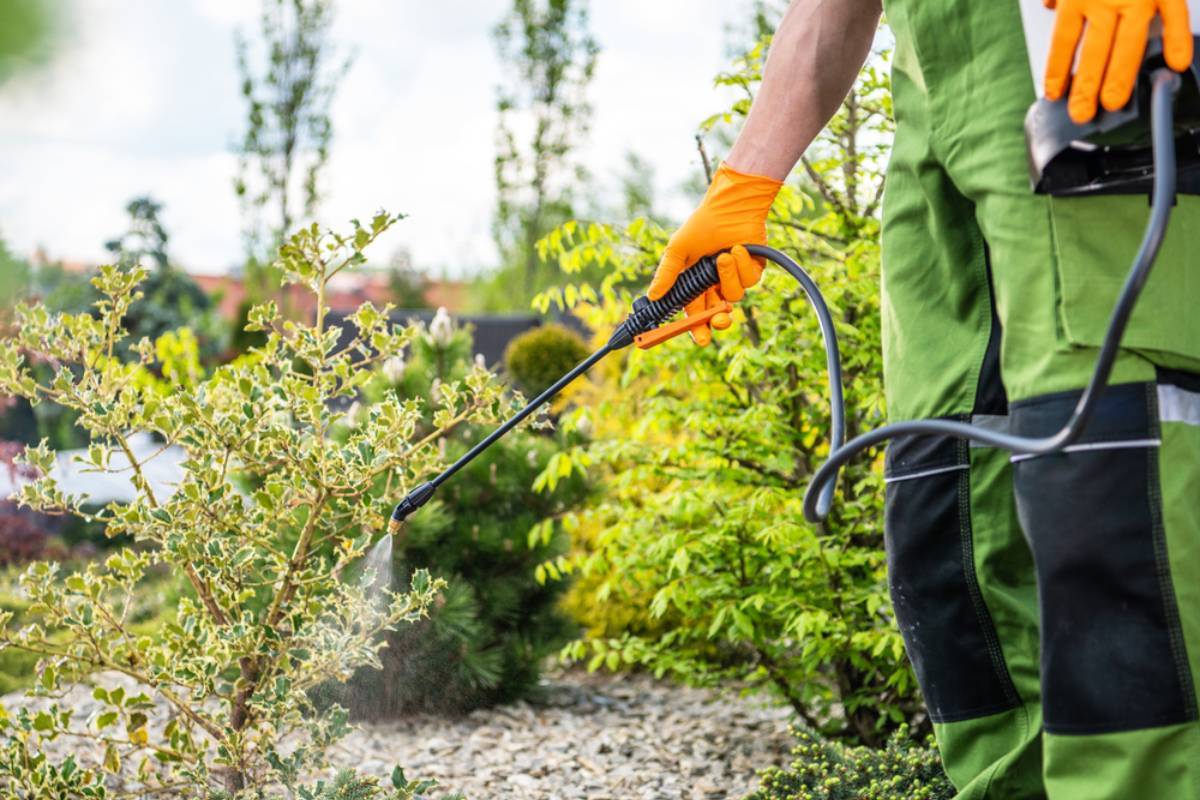
A person shared his story about a frightening backyard situation that began with what seemed like an ordinary pest control appointment in Queensland, Australia. The homeowner had arranged treatment for ants around the house, hoping to keep the unwanted insects under control without disrupting the rest of the garden. However, there was one important detail the homeowner had forgotten to mention before the technician arrived. Two established beehives were sitting out back, and the treatment involved a pesticide called fipronil.
The technician reportedly realized the problem only after spraying had already begun, raising concerns about whether the chemical could harm the bees. By then, the front yard and parts of the property had already been treated, including grass, fences, and areas around the house. The discovery transformed a routine appointment into a stressful guessing game about the safety of two colonies. Suddenly, the homeowner had a much bigger problem than ants crawling around the patio.
Two Established Hives Had Called the Backyard Home for Years
The two colonies were not newly installed hives that had barely settled into their surroundings. According to the beekeeper, both had been established since 2021 and had developed into productive colonies with brood and honey stores. That meant the homeowner had spent years building a relationship with these buzzing backyard residents. Losing them would not simply mean replacing a couple of wooden boxes.
A thriving hive represents countless hours of activity, from worker bees collecting nectar to nurse bees caring for developing larvae. The colonies had also become part of the household’s outdoor environment, making the sudden pesticide concern particularly upsetting. The homeowner had every reason to worry about what might happen after the treatment. What had started as an effort to manage household pests now threatened something the family had carefully maintained for years.
The Pesticide Was Meant for Ants, Not the Bees
The product used during the visit contained fipronil, an insecticide used in certain pest control applications. The technician’s concern was understandable because a chemical designed to control insects can pose risks to other insects when exposure occurs. Bees can encounter pesticides through direct contact, contaminated surfaces, or substances they collect while foraging. The exact risk depends on the formulation, application method, exposure, and other circumstances.
The homeowner explained that the technician had sprayed the grass, fences, and the perimeter of the house before noticing the hives. The colonies were approximately five meters away when he realized they were there. That distance became a major source of anxiety because the beekeeper did not know whether any spray had reached the hives or nearby areas visited by the bees. Without more information about the exposure, neither reassurance nor a prediction of disaster would be justified.
The Technician’s Warning Arrived After the Spraying Began
One of the most upsetting parts of the situation was that the warning came too late to prevent the initial application. The technician reportedly became concerned once he noticed the hives and recognized that the treatment might affect them. He suggested watching the colonies over the following week to see whether anything changed. For the homeowner, that meant waiting while hoping the bees had escaped serious exposure.
Unfortunately, a wait-and-see approach can feel unbearable when living creatures are involved and the possible consequences are uncertain. The beekeeper could inspect the entrance and watch the colonies’ activity, but those observations alone could not establish whether pesticide contamination had occurred. Bees may forage across a wide area, making it difficult to determine exactly where exposure happened. The homeowner needed reliable information rather than simply hoping that the colonies would carry on as usual.
A Young Baby Had Already Changed the Family’s Plans
There was another complication that made the situation more difficult. The homeowner explained that the family had recently welcomed a young baby, which made regular hive maintenance more challenging than before. Although the bees were enjoyable to keep, managing two established colonies required time and attention that had become harder to find. The family had already started considering a change.
Selling the hives or finding someone else to care for them had therefore become a realistic possibility even before the pesticide incident. The homeowner wanted to make that transition responsibly, without abandoning the colonies or placing them in unsuitable conditions. The unexpected chemical exposure added an entirely new concern to a decision that had originally been about family life and available time. What should have been a straightforward change of plans suddenly involved the health of the bees and the safety of their honey.
The Family Had Been Planning One Last Honey Harvest
Perhaps the most heartbreaking detail was that the homeowner had hoped to harvest honey again before moving on from beekeeping. Both colonies reportedly had two supers each, making the prospect of a final harvest particularly meaningful. After years of caring for the bees, collecting their honey would have been a satisfying way to close that chapter. Instead, the homeowner was suddenly questioning whether harvesting anything would be safe.
Honey may look perfectly normal even when there are questions about possible chemical exposure, so appearance alone cannot settle the matter. The beekeeper needed to know whether the pesticide could have contaminated the honey, wax, or other hive materials. That answer could not be determined simply by looking at capped honey or checking whether the bees were still flying. The anticipated final harvest had become a food safety question that required more reliable guidance.
A Response From a Person Suggested Contacting the Manufacturer
A response from a person offered a practical suggestion that the homeowner had not initially considered: contact the pesticide manufacturer and ask its technical team about the specific product and circumstances. This was useful because the precise formulation and label instructions could matter when assessing the potential risk. Rather than relying entirely on speculation, the beekeeper could seek information from a source familiar with the product. The response also acknowledged that the situation was uncertain and that no simple guarantee could be offered.
The same person suggested considering whether the hives could temporarily be moved somewhere else while the family worked out what to do next. That possibility would depend on the bees’ condition, the location, and whether a safe relocation could be arranged. Moving established colonies is not something to improvise during a stressful situation, especially when potential contamination has not been assessed. Nevertheless, the suggestion gave the homeowner another option to investigate rather than leaving the family feeling completely helpless.
Another Response Raised Concerns About Opening the Hives
A response from a person advised leaving the hives undisturbed and avoiding opening them until the situation was better understood. The reasoning was that the homeowner had no guarantee about the extent of any exposure, and unnecessary disturbance would not answer the central question. The response also suggested that the beekeeper disclose the pesticide incident if the colonies were given or sold to someone else. That would allow any new caretaker to make an informed decision about the hives.
However, keeping a hive closed does not automatically make potentially contaminated honey safe, nor does it establish that the colony has avoided exposure. The correct response depends on the pesticide label, the application details, and advice from relevant experts. Any decision about opening, moving, selling, or harvesting should account for those uncertainties. The homeowner’s willingness to be transparent was therefore an important part of handling the situation responsibly.
The Five-Meter Distance Became the Big Question
As the discussion continued, the distance between the treated areas and the hives became an important detail. The technician had reportedly sprayed some parts of the property before noticing the colonies, but the homeowner did not describe a confirmed direct application onto the hive entrances. That distinction matters because pesticide exposure can occur in different ways, and not every nearby application results in the same level of risk. Without knowing the precise conditions, it would be misleading to declare the bees either safe or doomed.
A response from a person raised another question about whether the pesticide had been applied to flowering plants or other vegetation that attracted honeybees. Bees do not visit every plant indiscriminately, and the presence of pesticide on a surface does not tell the whole story about exposure. Yet they can collect nectar, pollen, and water from multiple locations, which makes their foraging patterns relevant. The homeowner needed to establish what had actually been treated rather than assuming that distance alone answered the question.
Pesticide Exposure Can Affect More Than the Bees Seen at the Entrance
One reason the incident was so concerning is that pesticide exposure does not always produce an immediate, obvious pile of dead bees. Depending on the chemical and the amount involved, effects may range from acute poisoning to less visible impacts on behavior or colony development. Bees can also encounter residues while collecting resources outside their hive. That makes careful observation and timely expert advice particularly important after a suspected exposure.
The National Pesticide Information Center explains that honeybees may encounter pesticides through direct contact, contaminated nectar or water, and residues carried on their bodies. It also notes that unusual behavior or a sudden increase in dead bees can be warning signs worth investigating. These observations are not proof that a particular pesticide caused harm, but they can help identify a problem that deserves attention. In this case, the beekeeper had reason to monitor both colonies while seeking advice specific to the product used.
The Honey Question Was More Complicated Than It First Appeared
The homeowner’s concern about harvesting honey was understandable because the family had planned to collect it soon. A response from a person suggested that capped honey might be less likely to present a problem, but the response itself acknowledged that this was only a guess. Capped honey should not be treated as automatically safe after a suspected pesticide exposure. Whether any residue entered the hive depends on the circumstances and the chemical involved.
Before harvesting, consuming, or distributing honey from potentially exposed colonies, the beekeeper would need advice based on the product label and the exposure details. The pesticide manufacturer, an appropriate agricultural or veterinary authority, and a qualified laboratory may be able to clarify what further assessment is warranted. If contamination is suspected, appearance and taste are not reliable ways to determine safety. The family needed a dependable answer before making decisions about the honey or any other hive products.
Giving the Hives Away Would Not Make the Problem Disappear
Because the family was already thinking about leaving beekeeping, transferring the colonies to another caretaker might have seemed like the easiest solution. A response from a person suggested that the homeowner could disclose the spraying incident and explore passing the hives to someone with more time to care for them. That could potentially help the colonies continue receiving appropriate care. However, transferring responsibility would not eliminate the need to address possible pesticide exposure.
The homeowner responded positively to the suggestion and indicated that the pesticide incident would not be hidden from a prospective recipient. The family also explained that having bees in a residential backyard had begun to limit how comfortably they could use the outdoor space with their young child and visitors. Those concerns were understandable even without the chemical incident. Still, any transfer would need to be handled carefully, with the receiving beekeeper informed about the uncertainty surrounding the treatment.
The Update Revealed a Much Sadder Outcome
The original story included a later update dated March 8, 2026, stating that all the bees had died or left. That was the devastating development the homeowner had feared when the technician first raised concerns about the pesticide. After years of maintaining the colonies, the family was left without the thriving backyard hives they had known. The planned final honey harvest had become an especially painful reminder of what might have been.
However, the update did not establish that fipronil definitively caused the loss of both colonies. Establishing the cause would require more information about the timing, symptoms, exposure, colony conditions, and any available testing. Other factors can also affect colony survival, so the sequence of events alone cannot prove the pesticide was responsible. Even with that uncertainty, the outcome made the incident a sobering example of why pest control plans should account for nearby pollinators before treatment begins.
The Backyard Lesson Every Gardener and Beekeeper Can Take Away
This story offers an important lesson for anyone managing a garden, keeping bees, or hiring pest control services. Before a pesticide application, homeowners should tell the technician about nearby hives, flowering plants, vegetable beds, water sources, and other areas used by pollinators. They should also ask which product will be applied, how it will be used, and what precautions are required by its label. A short conversation before spraying can prevent a great deal of confusion and may help reduce avoidable risks.
The incident also shows why gardeners should avoid treating pesticides as a private matter affecting only their own property. Bees can travel between gardens, so decisions made around one house may have consequences for insects visiting neighboring yards and flowering plants. When a possible exposure occurs, prompt communication with the applicator, manufacturer, and relevant local authorities can help determine the appropriate next steps. For this beekeeper, the experience ended in heartbreak, but it offers a valuable reminder that protecting a garden also means thinking about the pollinators that help keep it alive.