Some Home Gardeners Are Growing Their Own Loofahs From a Common Garden Vine, And Most People Have No Idea How Easy and Affordable It Actually Is
What started as a quiet gardening experiment in a few suburban backyards quickly turned into something neighbors kept asking about at fence lines. People noticed strange, long green gourds hanging from trellises, looking more like oversized cucumbers than anything edible. The gardeners explained they were not growing vegetables for cooking but natural sponges that could replace store bought bath products.
At first, most people laughed it off as a novelty hobby. Then more households tried it themselves and realized how fast the vines grew and how little effort they needed once established. Before long, loofah vines were climbing fences across multiple neighborhoods.
The First Vine That Looked Like a Garden Oddity
It started in one backyard where a retired nurse decided to try growing something different after watching a gardening video online. She planted a few seeds along a wooden trellis near her fence and forgot about them for a while. By midsummer, thick green vines had completely taken over the structure. Long, ridged gourds began hanging down, confusing neighbors who thought she had switched to some exotic vegetable. When she explained they were loofahs meant for drying into sponges, people were skeptical but curious. That curiosity was the spark that spread the idea further.
A Simple Explanation That Gets Everyone Interested
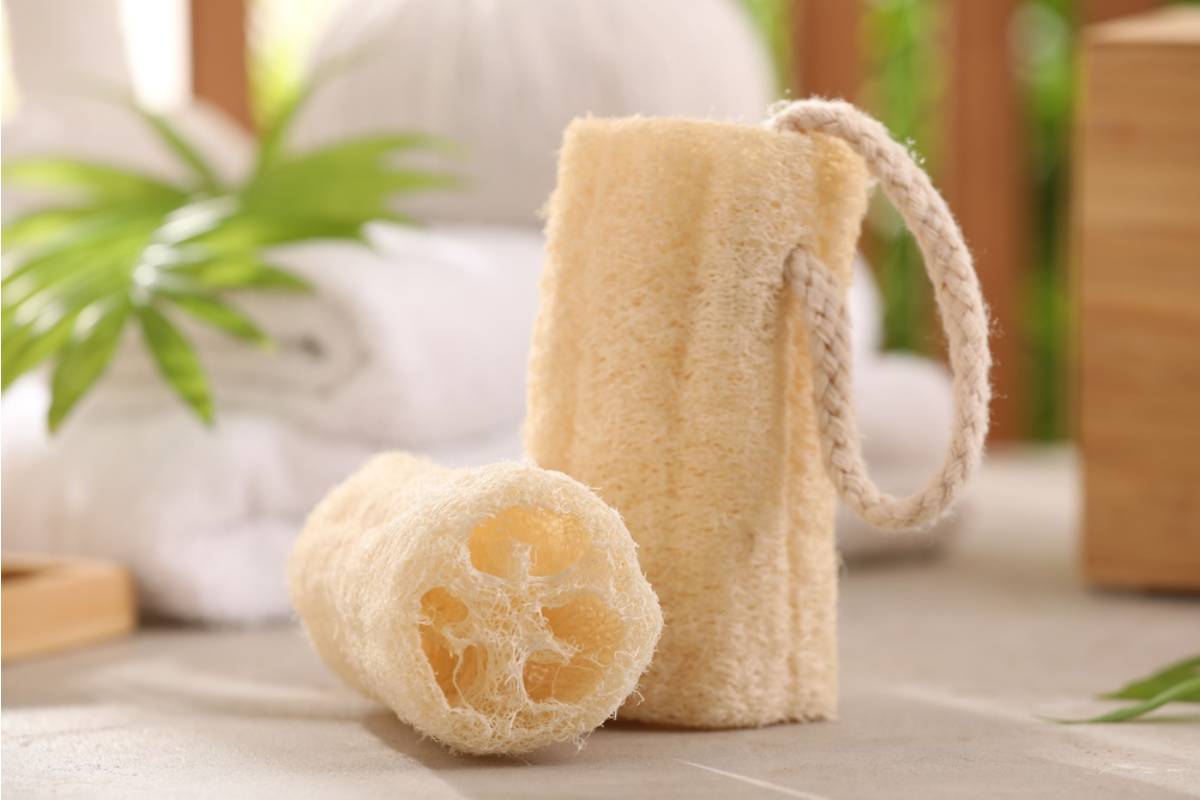
When she demonstrated how the dried gourds turned into exfoliating sponges, the reaction changed immediately. She sliced open a fully dried loofah and shook out the seeds, showing the fibrous interior. Neighbors were surprised that something used in bathrooms could come directly from a backyard plant. The idea of replacing store bought bath products with something homegrown caught attention quickly. People started asking how difficult it was to grow. Her answer was simple, plant it once, give it space, and it practically grows itself.
The First Wave of Backyard Experiments
Within weeks, several nearby homes planted their own loofah seeds along fences and garden edges. Most treated it like a test rather than a serious project. The vines grew faster than expected, climbing anything they could reach including mailboxes and pergolas. Some homeowners were impressed by how quickly their yards transformed into green walls. Others were surprised at how little maintenance was required compared to traditional vegetables. The shared curiosity kept the trend moving from one house to the next.
The Trellis Problem Nobody Expected
As the vines matured, people quickly realized they needed stronger support than they initially planned. Light garden stakes were not enough to hold the weight of large gourds. One homeowner had a trellis partially collapse after several loofahs grew larger than expected. Another had vines spread into a neighbor’s yard through a gap in the fence. Conversations shifted from excitement to practical adjustments. Everyone started reinforcing structures just to keep the plants contained.
The First Harvest Confusion
When the gourds started drying on the vine, many beginners were unsure when to pick them. Some harvested too early and ended up with soft, unusable sponges. Others left them too long and watched them crack open and drop seeds everywhere. One neighbor joked that it felt like learning a new skill with no instruction manual. Experienced gardeners began sharing timing tips in local group chats. Slowly, the learning curve became part of the process.
A Backyard Demonstration Draws a Crowd
One weekend, the original gardener invited neighbors over to show how to process dried loofahs. She set up a table with bowls of water, scissors, and harvested gourds. People watched as she soaked, peeled, and cleaned the fibrous interior step by step. The transformation from hard dried shell to soft sponge surprised many attendees. Several people left with seeds and instructions to try it themselves. The gathering quietly turned into an informal workshop.
The Grocery Store Aisle That Suddenly Felt Different
As more households started growing loofahs, some residents noticed they were buying fewer bath sponges. A few even stopped purchasing them entirely. At a local store, one cashier mentioned that sponge sales seemed slightly lower in certain neighborhoods. It was not dramatic, but noticeable enough for regular shoppers to comment. People realized they were slowly replacing a recurring purchase with something they could grow once a year. The change felt small but meaningful.
The Overgrowth Surprise in Small Yards
Not every attempt went smoothly. Some homeowners underestimated how aggressively the vines would spread. One small backyard ended up covered in looping green growth that blocked a patio door. Another garden had loofahs hanging so densely they shaded out nearby flowers. The plant was easy to grow, but not always easy to control. People began learning that convenience came with the responsibility of managing fast growth.
A Neighbor Dispute Over Fence Line Vines
A minor conflict started when loofah vines crossed into a neighboring yard through a shared fence. One resident liked the natural green coverage while the other saw it as an invasion of space. The discussion stayed polite but firm, focusing on property boundaries rather than the plant itself. Eventually, they agreed to trim back growth regularly. It was the first reminder that even simple gardening trends can affect shared spaces. The issue was resolved, but it made others more cautious.
The Unexpected Seed Explosion
As dried loofahs began splitting open naturally, seeds scattered into surrounding soil. Some gardeners discovered new vines sprouting in unexpected corners of their yards. A few welcomed it as free expansion, while others saw it as unplanned spread. Seed control became a new topic in gardening discussions. People started collecting and storing seeds more carefully to avoid accidental overgrowth. The plant was no longer just grown, it was managed.
A Local Gardening Group Turns It Into a Trend Topic
At a community gardening meeting, loofah growing became the main discussion. Members compared drying techniques, trellis designs, and harvesting timing. One experienced gardener pointed out how historically common the plant was in rural gardens. That comment shifted the perception from trendy experiment to forgotten tradition. People began appreciating it as both practical and sustainable. The group agreed it was one of the easiest natural swaps they had tried.
The Bathroom Shelf Experiment That Changes Habits
Some households fully replaced store bought sponges with homegrown loofahs. Bathroom shelves started showing rows of dried natural sponges instead of packaged products. Families noticed they lasted longer than expected when properly dried and maintained. Guests often asked questions when they saw them for the first time. What began as a garden experiment had quietly entered daily routines. The shift felt gradual but surprisingly permanent.
The Quiet Ending to a Growing Trend
After a full season, loofah vines remained a steady feature in many backyards. Some gardeners continued growing them annually, while others scaled back after learning how much space they needed. The excitement faded slightly, replaced by routine maintenance and seasonal planting. Still, the idea stuck around in local gardening culture. People no longer saw them as unusual, just another useful plant. What started as curiosity became part of everyday suburban gardening without much notice.