Homeowner Says His Neighbor Complained About a Tree Blocking Her New Balcony View, Then Six Mature Plants Began Dying After a Series of Disturbing Threats
A homeowner in Nevada thought he had a perfectly ordinary relationship with his neighbor until she added a balcony to her house and suddenly became unhappy with the view. A tree that had stood on his property for years was now apparently blocking part of the scenery she wanted to enjoy from her new outdoor perch. She complained to him first, then took the issue to the homeowners association, turning an innocent tree into the center of an increasingly uncomfortable neighborhood dispute.
The homeowner decided to keep the peace by trimming the tree according to the HOA’s rules. He had no interest in starting a fight over branches and falling leaves, especially since the tree had been there long before the balcony appeared. Unfortunately, making that compromise did not end the trouble, and the garden owner soon discovered that his neighbor’s complaints might have been only the beginning.
The Balcony Created an Uncomfortable View of Its Own
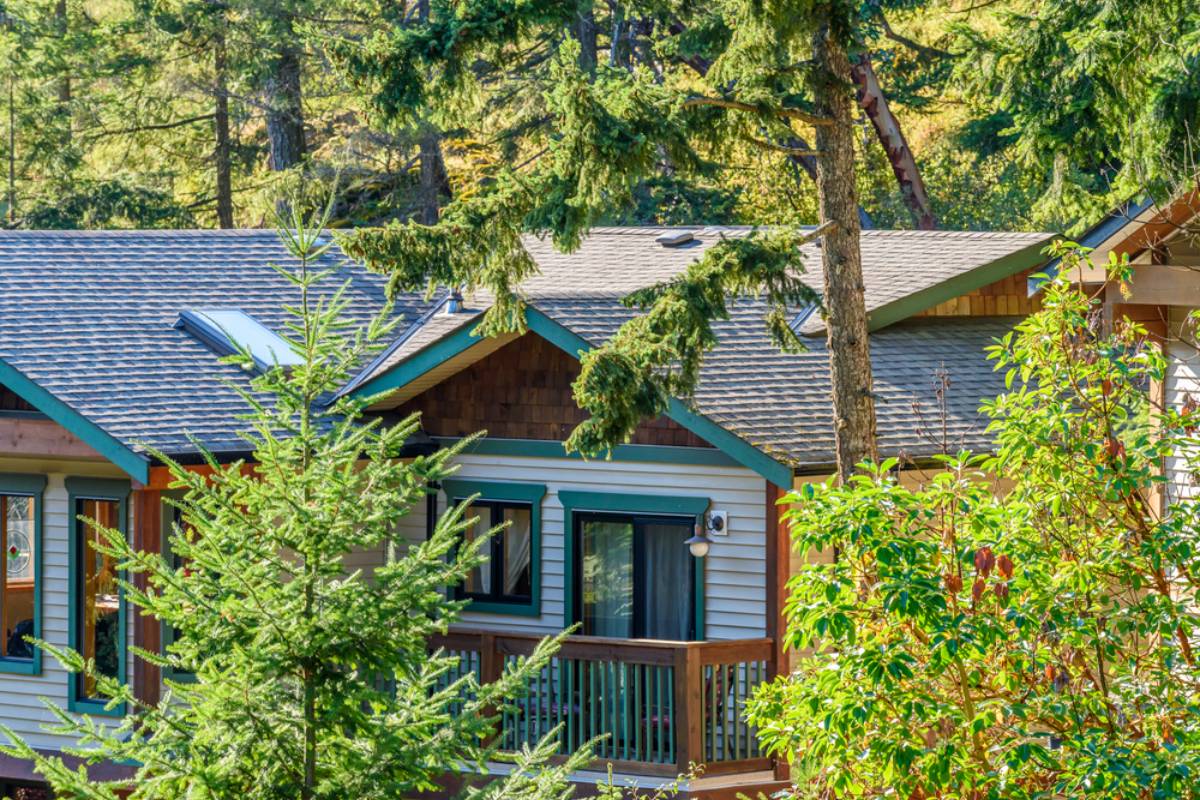
There was an awkward detail about the new balcony that made the homeowner particularly uneasy. Because of its position, the neighbor could look down into his backyard and see the rear windows of his second-floor home, leaving him feeling as though his privacy had suddenly become part of someone else’s outdoor entertainment. What had once been a comfortable garden space now came with the uncomfortable knowledge that someone could potentially see much more than the homeowner wanted them to.
Then came another discovery that made the situation even stranger. The homeowner noticed a camera positioned in the neighbor’s second-floor window, pointing directly toward his second-floor bathroom window, with seemingly nothing else in its view. Unsure what to make of it, he began wondering whether the camera was simply an odd installation or something that deserved more serious attention.
A Neighborhood Post Turned Into a Public Confrontation
Rather than naming the neighbor publicly, the homeowner decided to post about the camera on a neighborhood social platform. He wanted to discuss the uncomfortable situation without directly identifying the person responsible, apparently hoping that a little public feedback might help him figure out what to do. However, the neighbor saw the post and acknowledged that the camera belonged to her, although she claimed it was not connected.
The exchange quickly became more personal than the homeowner had expected. According to his account, the neighbor revealed his full name and made threats alongside comments he described as hateful and untrue. Other people joined the discussion and criticized her behavior, but the homeowner was left with screenshots of the exchange and a growing concern that a disagreement about a balcony had developed into something far more serious.
Police Calls Failed to Bring the Peace Everyone Expected
The online confrontation spilled into real life when the neighbor called the police on the homeowner. He also contacted the authorities, but he said the threats were not specific enough to prompt the response he had hoped for. With neither side apparently receiving the resolution they wanted, the conflict settled into an uneasy standoff.
For a while, the homeowner had reason to hope the drama would fade away. Time passed, and the dispute over the camera and the tree was no longer an everyday confrontation. Yet the earlier tension remained in the background, and the homeowner would later look back at those events when he noticed something alarming happening among the plants that surrounded his property.
Two Years Later, the Garden Began Showing Disturbing Signs
Two years passed before the next major problem emerged, and this time the homeowner’s attention turned away from the balcony and toward his garden. When spring arrived, he noticed that the plants within spraying distance of the neighbor’s balcony were doing poorly. The damage appeared to affect a surprisingly specific group of greenery rather than presenting itself as an ordinary problem with one struggling shrub.
The homeowner reported that two trees and five large bushes were affected, with the original tree also among the plants in decline. Given the earlier dispute, he began wondering whether the plants had been deliberately damaged, although he did not have proof of what had happened. What made the situation especially troubling was that the dying vegetation appeared to fit an unsettling pattern in his mind, connecting his garden problems to the neighbor conflict that had started years earlier.
A Landscaping Estimate Put a Price on the Mystery
Concerned about the condition of his plants, the homeowner consulted a landscaping professional. According to his account, the landscaper suspected poisoning and estimated that replacing the damaged greenery could cost between $6,500 and $8,500. For a homeowner who had spent years living with those trees and bushes, the estimate represented more than a bill for new plants; it put a substantial price tag on a garden that might never look the same again.
He then tried to find an expert who could determine what had caused the damage. Unfortunately, he was told that too much time had passed for testing to reliably identify a possible poison. Without a clear answer about the cause, the homeowner was left staring at a costly landscaping problem and wondering whether he could ever establish what had happened.
The Garden Owner Began Looking Back at the Earlier Threats
The timing of the plant damage made it difficult for the homeowner to ignore the history between the two properties. The neighbor had complained about his tree, acknowledged owning the camera pointed toward his bathroom window, and allegedly made threats during the online dispute. Now several mature plants near her balcony were struggling, and the possibility of deliberate damage felt increasingly difficult for him to dismiss.
Still, suspicion was not the same thing as evidence. The homeowner could point to the plants, the earlier messages, and the approximate cost of replacing the landscaping, but none of those details independently established who had caused the damage or what substance might have been involved. That gap between what he suspected and what he could prove would become one of the most frustrating parts of the entire dispute.
A Face-to-Face Encounter Made an Already Tense Situation Worse
Eventually, the homeowner encountered his neighbor outside her house and decided to confront her from what he described as a safe distance. The conversation escalated into shouting, turning a long-running disagreement into another direct confrontation. It was the kind of encounter that can happen when frustration builds for months or years, but it also risked giving both neighbors another reason to involve the police.
The neighbor called the authorities again, and an officer arrived to address the situation. The homeowner showed the officer his damaged plants, although he understood that investigating landscaping damage was not something the police could necessarily resolve on the spot. The officer reportedly asked the two neighbors not to speak to each other, a request the homeowner said he was perfectly willing to follow.
One Detail in the Police Report Raised the Stakes
The encounter produced a detail that made the homeowner even more uneasy. According to his account, the police report recorded the neighbor saying that she felt threatened and would shoot him if necessary. The officer reportedly responded by telling her that she could not shoot someone simply for calling her names, bringing the possibility of violence directly into a dispute that had originally started with a tree and a view.
For the homeowner, the statement changed the emotional weight of the situation. The dying plants were expensive and upsetting, but a reported threat involving a firearm raised concerns that extended well beyond landscaping or property boundaries. He said he already viewed the neighbor as a genuine threat and was being careful around her, making the prospect of further direct confrontations something he wanted to avoid.
The Neighbor Returned to Social Media, but He Stayed Silent
Even after the police encounter, the neighborhood drama did not completely disappear. The neighbor made another post on the local social platform, reportedly calling the homeowner a “Karen” and criticizing him. The homeowner chose not to respond, avoiding another online exchange that might fuel the dispute or create more hostility between the two households.
That decision marked a change in how he approached the conflict. Earlier, he had tried to discuss the camera publicly and later confronted the neighbor about the dying plants, but neither approach had delivered the clarity or peace he wanted. Now he was considering how to protect himself, preserve evidence, and deal with the situation through more formal channels rather than continuing the argument online.
The Neighbor’s Balcony Had Another Complication
The balcony itself had become a source of concern beyond the homeowner’s original complaints about privacy. He explained that the neighbor on the opposite side of the property had also objected to the structure and believed parts of it did not match what had been submitted to the HOA. That raised another possible avenue for examining the balcony, although it did not establish that the structure violated any particular rule.
Interestingly, the homeowner said he had approved the balcony because trees on his property blocked the view from his side. What might once have seemed like a straightforward compromise now looked more complicated in light of the later hostility and garden damage. Yet even with questions about the balcony, the HOA, the camera, and the plants, the homeowner still faced the central problem of deciding which issues could be documented and which remained suspicions.
A Response From a Person Recommended a Different Strategy
A response from a person advised the homeowner to stop posting about the dispute on neighborhood social media and avoid engaging with his neighbor altogether. The person recommended installing cameras to cover the homeowner’s property so that any future damage could potentially be recorded. If clear evidence of deliberate damage emerged, the homeowner could contact the police, obtain a report, and consider pursuing compensation for the cost of replacing the landscaping.
The response also emphasized that mature trees and established bushes should not automatically be valued like tiny seedlings when assessing replacement costs. The homeowner had already received an estimate in the thousands of dollars, so preserving records of the plants’ condition and their replacement value could matter if he chose to pursue a civil claim. The advice focused on documenting what could be proven rather than relying on the suspicion that the neighbor was responsible.
The Advice Also Focused on Recording Threats and Protecting Privacy
The response addressed the reported firearm threat separately from the dying plants. The person suggested that the homeowner ask police to document the reported threat, save any messages he received, and keep a dated record of additional incidents or witnesses. The central recommendation was to avoid replying to provocative messages or creating further face-to-face confrontations that could make the situation harder to manage.
The response also mentioned asking the local Justice Court about a temporary protection order related to stalking or harassment. Such orders have specific legal requirements, so whether one would be available would depend on the facts and the applicable Nevada law. Still, the broader point was that a documented pattern of behavior could be more useful than a collection of arguments scattered across social media and verbal confrontations.
Cameras Went Up, and the Homeowner Chose to Build a Record
The homeowner responded positively to the advice, explaining that he had installed cameras in case any additional damage occurred. He also said he planned to go to the police station and file a report, creating an official record of the situation. Those steps did not prove who had damaged the plants, but they offered a more practical way to document future incidents and preserve information about the reported threats.
His story began with a tree that supposedly interfered with a neighbor’s view, but it ended with a much bigger concern about privacy, property damage, and personal safety. The plants might never provide a definitive answer about what caused them to decline, and the homeowner still lacked direct evidence tying the neighbor to the damage. For now, the garden’s future depends less on another confrontation and more on careful documentation, professional evidence where available, and keeping a tense neighbor dispute from escalating any further.