HOA President Calls a Homeowner’s Goldenrods “Weeds” Because They Haven’t Bloomed Yet, Then His Gardening Knowledge Becomes the Real Problem
A person shared his story about an unexpected dispute with his homeowners association after the president decided that the goldenrods growing in his garden were weeds. What made the situation particularly amusing was that the plants were not neglected vegetation or random greenery taking over the yard. They were goldenrods, plants known for their bright yellow flowers and value to pollinators, but the HOA president apparently had a different opinion.
Instead of asking what the homeowner had planted, the president decided the plants were growing incorrectly because they had reached a considerable height without producing flowers. It was the sort of gardening judgment that could make an experienced gardener put down their watering can and stare in disbelief. Unfortunately for the homeowner, this was not simply a disagreement about which flowers looked attractive.
The HOA President Had Apparently Become the Neighborhood Plant Inspector
The homeowner explained that the HOA president regularly drove around the neighborhood looking for properties he believed violated the community’s landscaping standards. According to the account, these patrols happened every Sunday, with the president issuing violation notices to residents whose yards failed to meet his expectations. That routine might have been understandable if he consistently recognized what he was looking at.
However, the goldenrod situation suggested that his inspection process could use a little more botanical education. Rather than identifying the plants before declaring them weeds, he appeared to judge them according to whether they looked the way he expected a flowering plant to look.
Goldenrods Were Growing Exactly as Plants Sometimes Do
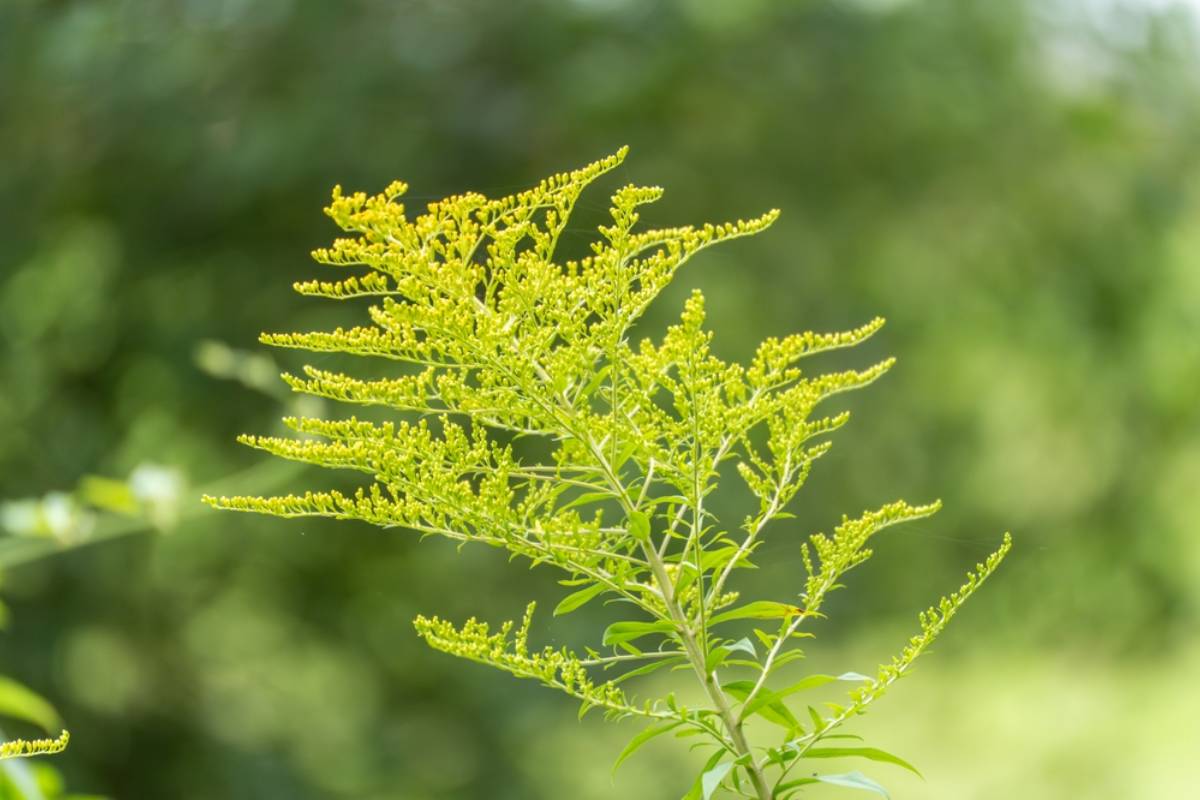
Goldenrods are perennial plants, meaning they return year after year rather than completing their entire life cycle in one growing season. Depending on the species and local growing conditions, they may spend considerable time developing stems and foliage before their flowers appear. Their height alone does not mean something has gone wrong.
For gardeners who understand native plants, goldenrod is hardly an unusual sight in a wildlife-friendly garden. These plants can provide valuable late-season nectar and pollen for bees, butterflies, and other insects. The HOA president, however, seemed to believe that a tall plant without visible flowers was automatically evidence of poor gardening.
The Missing Flowers Became the President’s Main Argument
The president reportedly argued that the goldenrods were weeds because they were already tall enough that flowers should have appeared by then. It was a confident statement, but confidence and horticultural knowledge are not necessarily the same thing. Different plants follow different blooming schedules, and even plants belonging to the same group can respond differently to weather and growing conditions.
The homeowner was left dealing with an accusation that seemed to confuse the natural growth cycle of a perennial with a landscaping violation. Imagine carefully cultivating plants for your garden, only to have someone decide they are weeds because they have not followed his personal flowering timetable. It was a dispute that could have been avoided with a quick identification guide and a little patience.
Why Goldenrod Deserves More Respect Than It Gets
Goldenrod is often misunderstood because it can grow tall and spread through a garden when conditions suit it. Yet many species are valuable native plants that support pollinators, particularly when other flowers become less abundant later in the growing season. Their clusters of yellow blossoms can also add a cheerful burst of color to borders and naturalistic planting schemes.
Another common misconception is that goldenrod causes hay fever. In many cases, ragweed is the more significant culprit because its lightweight pollen travels easily through the air, while goldenrod pollen is generally heavier and carried mainly by insects. For a homeowner interested in supporting local wildlife, goldenrod can be a deliberate and beneficial planting choice rather than an unwanted intruder.
The President’s Inspection Routine Raised More Questions
The goldenrod dispute was especially frustrating because it appeared to be part of a broader pattern of frequent inspections. The homeowner described the president driving through the neighborhood every week and sending notices when he believed a property violated the rules. That kind of routine can make residents feel as though every plant in their yard is being examined for a possible offense.
Regular inspections are not automatically unreasonable, especially in communities with written landscaping requirements. The problem arises when enforcement depends on assumptions rather than clearly defined standards and accurate identification. In this case, the president’s confidence about the goldenrods made the inspection seem less like careful maintenance oversight and more like a gardening quiz he had not studied for.
A Response From a Person Pointed Out the Obvious Problem
A response from a person highlighted the basic botanical mistake behind the complaint, observing that not every plant blooms during summer. The response also suggested that the president might have learned something useful by spending time studying plants instead of driving around looking for violations. It was a sharp observation, but it addressed the heart of the disagreement.
Plants do not consult neighborhood rules before following their natural growth cycles. Some flower in spring, others in summer, and many native perennials save their most impressive displays for later in the year. Expecting every tall plant to produce flowers on the same schedule is a recipe for misidentifying perfectly healthy garden plants.
Other Gardeners Recognized the Value of Perennials
Another response from a person jokingly suggested introducing the president to the world of perennials. The joke landed because perennial plants are a basic part of gardening, yet their growth patterns can surprise anyone who expects every plant to behave like an annual bedding flower. Many perennials spend part of the season building roots, stems, and leaves before flowering.
Gardeners also know that bloom time can shift with rainfall, temperature, sunlight, and local conditions. A plant that flowers in July in one garden might bloom later somewhere else, even when both plants are healthy. That makes a blanket judgment based solely on height particularly unreliable.
The Word “Weed” Started Looking Less Scientific
Several responses raised a broader point about how people define weeds. In everyday gardening, a weed is generally a plant growing where someone does not want it, rather than a formal botanical category containing one specific group of plants. A goldenrod growing in a carefully planned pollinator bed is therefore a very different proposition from an unwanted plant spreading through a vegetable patch.
That distinction matters when someone has the authority to issue landscaping warnings. A plant can be native, beneficial, attractive, and intentionally cultivated even if it looks unfamiliar to a neighbor. The president’s decision to label the goldenrods as weeds without apparently considering their identity turned a simple landscaping disagreement into a debate about who actually understood the garden.
Native Plants Do Not Always Match Traditional Lawn Expectations
Many homeowners are moving beyond the traditional model of short grass, neatly clipped shrubs, and flowers chosen primarily for appearance. Native plant gardens can provide food and shelter for wildlife while reducing the need for some routine maintenance once the plants are established. Goldenrod fits naturally into many of these designs, especially when paired with asters and other late-season flowering species.
These gardens may look different from conventional suburban landscaping, but different does not automatically mean neglected. A tall perennial border can be an intentional design that supports biodiversity throughout the growing season. The challenge is helping people understand that a garden can be both attractive and ecologically useful without looking like a perfectly trimmed lawn.
Could the HOA Actually Demand That the Plants Be Removed?
Whether an HOA can require a homeowner to remove particular plants depends on the association’s governing documents, applicable laws, and any relevant landscaping restrictions. Some communities have detailed rules about plant height, yard appearance, or approved landscaping, while others leave homeowners considerably more freedom. Simply calling something a weed does not, by itself, establish that it violates a rule.
A homeowner facing a formal warning would be wise to review the written requirements, document the plants with photographs, and identify the species clearly. If the association claims the garden violates a specific rule, asking for that rule in writing can help separate legitimate requirements from personal preferences. In a dispute like this, botanical evidence and clear documentation are far more useful than arguing over whether a plant looks suspiciously tall.
A Little Gardening Knowledge Could Have Prevented the Drama
The amusing part of the situation is that the president did not need to become an expert botanist to avoid the mistake. A simple question about what the homeowner had planted could have clarified the situation before any warning was issued. Even a brief search for information about goldenrod would have explained why the plants might be tall before their flowers appeared.
Instead, the dispute became a reminder that authority does not automatically come with expertise. People responsible for enforcing community rules still need to understand what those rules mean and how to apply them fairly. When plants are involved, that includes recognizing the difference between an untidy yard and a garden that is simply following nature’s schedule.
The Gardeners Had a Few Suggestions of Their Own
Some responses took the opportunity to discuss how goldenrod can be incorporated into a more structured native garden. One gardener suggested cutting back some plants earlier in the season to encourage a shorter, sturdier growth habit, while also recommending complementary plants such as asters, hyssop, and coreopsis. That advice offered a practical gardening perspective rather than treating every tall stem as a problem.
Others leaned into the humor, imagining what might happen if the president encountered giant sunflowers or other naturally tall flowering plants. The underlying point was that garden design involves understanding the characteristics of individual species, not forcing every plant into the same visual template. A well-planned native garden can have height, texture, and seasonal changes without being neglected.
The Real Problem Was Bigger Than a Few Yellow Flowers
The goldenrod argument revealed how easily landscaping rules can become frustrating when the person enforcing them relies on personal assumptions. Homeowners may spend time selecting plants, improving soil, and creating habitats for pollinators, only to find themselves defending those decisions against someone who does not recognize what is growing. That can make gardening feel less like a rewarding hobby and more like a never-ending attempt to satisfy an inspector.
Clear rules and consistent enforcement are important, but so is a willingness to learn before accusing someone of doing something wrong. A neighborhood does not need every yard to look identical to remain attractive, and native plants can contribute to a healthy local environment. The president’s complaint was a useful reminder that a little curiosity can prevent a lot of unnecessary conflict.
The Goldenrods May Yet Have the Last Laugh
The most satisfying twist in this story is that the plants did not need to do anything extraordinary to challenge the accusation. They simply needed to keep growing according to their own seasonal rhythm, eventually producing the flowers that make goldenrod recognizable. The president’s claim that they were weeds because they had not bloomed yet was undermined by the very thing he overlooked: plants do not all flower at the same time.
For gardeners, the episode offers a familiar lesson about patience, plant identification, and the value of knowing what is growing in your own yard. Goldenrod may not fit everyone’s idea of a perfectly manicured landscape, but that does not make it worthless or unwanted. Sometimes the most important thing a garden can grow is a reminder that nature does not follow the neighborhood’s calendar.