Homeowner Says a Water Utility Approved Her Greywater Recycling System in Writing, Then Fined Her for the Exact Setup a Year Later
When Denise Carter decided to reuse water from her washing machine and showers, she thought she had done everything the right way. She contacted the local water utility, submitted diagrams, received written approval, and paid a licensed contractor to install the system exactly as described.
A year later, an inspector stood in her backyard, pointed at the same pipes shown in the approved paperwork, and told her she was being fined for an unauthorized greywater system.
The Idea Started With a Rising Water Bill
Denise had lived in her suburban Arizona home for nearly fifteen years when she began paying closer attention to her water usage. Her backyard contained several citrus trees, raised garden beds, and a patch of grass that required frequent irrigation.
One evening, she looked at the monthly bill and said to her husband, Paul, “We’re literally washing water down the drain and then paying again to water the yard.”
Paul initially laughed, but Denise kept thinking about it.
She Started Researching Greywater Systems
Denise discovered that residential greywater systems could redirect water from showers, bathroom sinks, and washing machines toward approved landscape areas. She became particularly interested in a setup that would collect laundry water and send it through a filter before distributing it to ornamental plants.
She did not want to improvise anything herself. Her first concern was whether the system was legal under local regulations, so she called the water utility and asked what she needed to do before installing one.
The Utility Told Her to Submit a Plan
A utility representative explained that Denise needed to provide a diagram showing where the greywater originated, how it would be filtered, where it would discharge, and how the system could be isolated from the home’s potable water supply.
Denise spent several evenings drawing the layout. She marked the washing machine, filtration tank, shutoff valve, underground piping, and irrigation outlets before sending the documents to the utility.
She also included photographs of the backyard.
The Approval Arrived in Writing
Several weeks later, Denise received an email from the utility. The message stated that the proposed greywater configuration had been reviewed and approved, subject to the conditions listed in the attached document.
Denise printed the email and the approval letter immediately.
“Keep that forever,” Paul told her.
Denise laughed.
“I absolutely will.”
She saved digital copies in three different places and placed the printed approval inside a folder labeled Water System.
She Hired a Licensed Contractor
Denise did not want anyone later claiming that she had changed the approved design herself. She hired a licensed plumbing contractor named Miguel Torres, who reviewed the utility documents before agreeing to do the installation.
Miguel pointed to the diagram and said, “If this is what they approved, this is what we’ll build.”
Denise repeatedly emphasized that nothing should be altered without checking with the utility first.
Miguel agreed.
The Installation Matched the Diagram
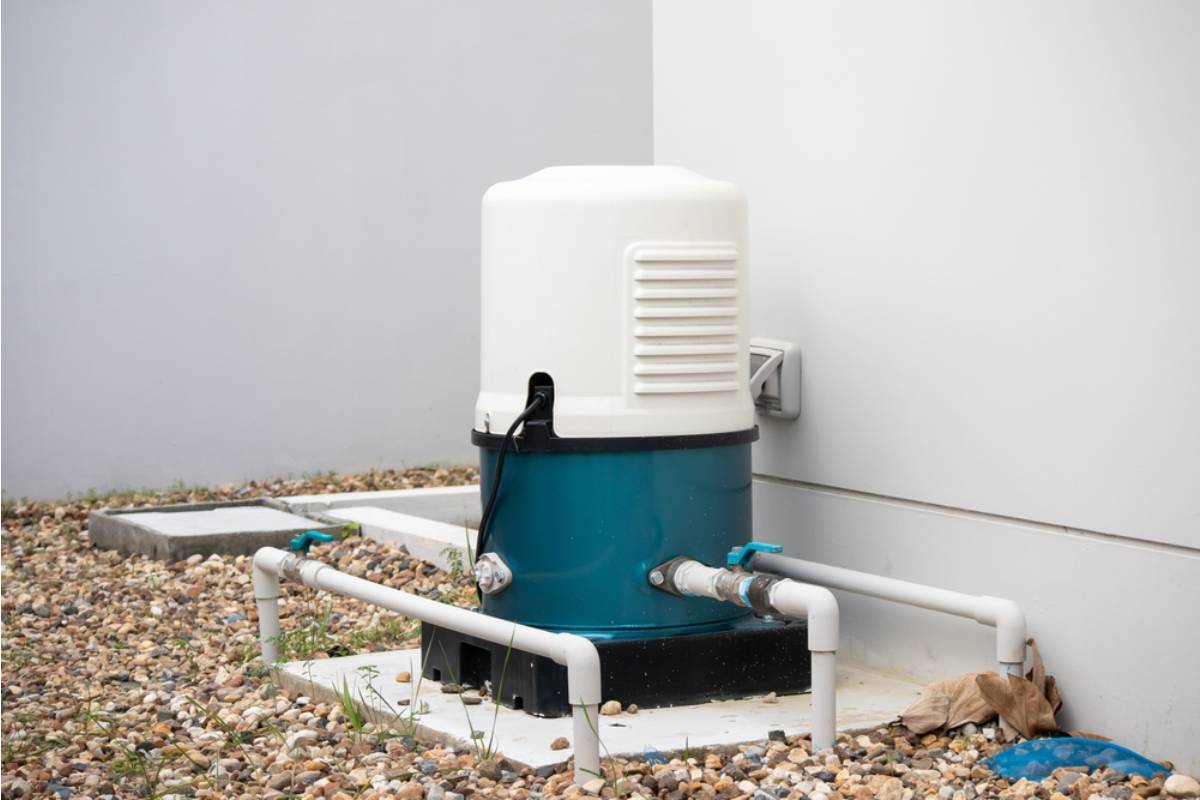
The system was installed behind the garage and connected to the washing machine drain line. A filtration unit sat inside a weatherproof enclosure, while a dedicated irrigation line carried the treated greywater toward a section of the backyard.
Miguel installed the shutoff and backflow protection components specified in the utility’s approval.
When the work was finished, Denise compared the completed installation with her original drawing.
Everything matched.
The First Inspection Seemed Routine
A utility representative came to the property after installation. Denise walked him through the system while Miguel explained the plumbing connections.
The inspector checked the filtration unit, valves, access points, and irrigation outlets. He asked Denise to demonstrate the shutoff valve, which she did.
Afterward, he signed the inspection paperwork.
Denise felt relieved.
“I guess we’re officially water recyclers now,” she joked.
The inspector smiled and replied, “Looks good.”
For a Year, Nobody Objected
The system worked quietly for months. Denise noticed that her irrigation demand decreased, and she became increasingly proud that the household was reusing water that would otherwise have gone directly into the sewer.
She occasionally showed the setup to neighbors who were interested in conservation.
“This was approved by the utility,” she would explain.
She had no reason to believe that statement would ever become a problem.
The Unexpected Notice Arrived
Almost a year after the installation, Denise received an envelope from the water utility. She assumed it was another routine conservation notice.
Instead, the letter stated that an inspection had identified an unauthorized greywater discharge system on her property.
Denise read the sentence twice.
Then she called Paul into the room.
“They say our system isn’t authorized.”
Paul looked at the letter.
“Didn’t they authorize it?”
“That’s exactly what they did.”
The Inspector Pointed to the Same Pipe
A few days later, another utility inspector arrived at the house. Denise brought out the original approval letter and the installation diagram before he even entered the backyard.
She explained that the system had been reviewed and inspected previously.
The inspector examined the pipes and pointed to the line running from the filtration unit toward the landscaping.
“That’s the problem,” he said.
Denise stared at him.
“That’s the exact line in the plan you approved.”
The inspector shook his head.
“That configuration isn’t permitted under the current rules.”
Denise Pulled Out the Approval
Denise went inside and returned with the folder she had kept for nearly a year. She handed the inspector the approval letter, the diagram, the contractor’s invoice, and the original inspection record.
“I followed your instructions,” she said.
The inspector looked through the documents but remained focused on the present installation.
“This approval appears to have been issued under an older interpretation,” he said.
Denise frowned.
“Older interpretation? It was approved last year.”
He told her that the utility had since changed its policy regarding how certain greywater systems could be connected to landscape irrigation.
Denise pointed at the date on her approval.
“So you changed the rules after approving my system, and now you’re fining me for following the old rules?”
The inspector did not answer directly.
The Fine Was More Than She Expected
The notice required Denise to either modify the system or disconnect it. It also included an administrative penalty.
She was furious.
She called Miguel, who was equally confused.
“I built exactly what they approved,” he said. “I have their stamped plans.”
Denise asked whether he had ever seen this happen before.
Miguel paused.
“Not like this.”
The Utility’s Records Created Another Problem
Denise requested copies of every document associated with her property. She wanted to know exactly what the utility had approved and whether the later inspector had access to those records.
When the documents arrived, she noticed something disturbing.
The original approval was clearly listed in the utility’s system, but the newer inspection report described the installation as though it had never been reviewed.
The report did not mention the previous approval at all.
Denise immediately wrote back.
“Why does your current report say this was never approved when your own records show that it was?”
A Supervisor Finally Reviewed the Case
After several phone calls, Denise was contacted by a utility supervisor named Karen Whitmore. Karen apologized for the confusion but initially said the fine remained valid because the system did not comply with the utility’s current standards.
Denise asked one question.
“Did I build the system you approved?”
Karen reviewed the file.
“Yes.”
“Did your inspector approve it after installation?”
“Yes.”
“Did I modify it afterward?”
Karen paused.
“No.”
Denise leaned back in her chair.
“Then why am I being punished for it?”
The Supervisor Found Something Buried in the File
Karen requested additional records from the utility’s compliance department. A few days later, she called Denise again.
This time her tone was different.
She explained that the original approval had been issued before an internal policy update. The department had later instructed inspectors to bring older systems into compliance when they were encountered during routine inspections.
But nobody had sent Denise a notice telling her that her already-approved system needed to be changed.
The utility had effectively treated a policy change as though it erased the previous approval.
Denise Refused to Accept the Fine Quietly
Denise wrote a formal appeal. She included the original approval, installation photographs, inspection records, contractor documents, and copies of every email exchanged with the utility.
Her argument was simple.
She had disclosed the system before construction, obtained written approval, hired a licensed professional, passed inspection, and operated the system without changing the approved design.
She was willing to comply with reasonable new standards going forward, but she objected to being fined for something the utility had explicitly authorized.
The Hearing Became Surprisingly Crowded
When Denise attended the appeal meeting, she expected a small room with a few utility officials. Instead, several department employees were present, along with two other homeowners who had received similar notices.
One of them approached Denise before the meeting and whispered, “Our system was approved too.”
Denise looked at him.
“Then why are you here?”
He shrugged.
“Apparently, we’re all unauthorized now.”
That was the moment Denise realized her situation might not be an isolated mistake.
The Utility Changed Its Position
During the hearing, the utility representative acknowledged that Denise’s system had been approved under the rules in effect when she applied. The representative also admitted that the utility had not notified her that the policy had changed.
The administrative penalty was withdrawn.
However, the utility still required Denise to make a modification to the system so it would meet the newer standards.
Denise agreed to make the change, but only after receiving written confirmation that she would not be fined for the original installation.
The Contractor Returned to the Backyard
Miguel returned to Denise’s property with the updated requirements. He explained that the modification was relatively straightforward and would not require tearing out the entire system.
As they worked, Denise watched him disconnect the same pipe that had caused the dispute.
She shook her head.
“A year ago, that pipe was legal.”
Miguel smiled.
“That’s why paperwork matters.”
Denise Kept Every Document
After the modification, Denise created a new folder containing the original approval, the policy update, the appeal decision, and the final inspection.
She also kept photographs showing the original installation and the modified version side by side.
When neighbors later asked whether they should install their own greywater systems, Denise gave them the same advice.
“Get everything in writing,” she said. And don’t throw anything away.”
The Utility Eventually Changed Its Notice Process
Months later, the utility began sending written notices to homeowners whose previously approved greywater systems were affected by the updated requirements.
Denise received one of those notices herself.
This time, it explained the policy change clearly and gave homeowners a period to make modifications without penalties.
Denise read it at her kitchen table and smiled.
She had not wanted a fight with the utility. She had simply wanted the rules to mean what they said when she followed them.
What Stayed With Her
Denise still uses greywater to irrigate her yard. The system is slightly different now, but she kept one small piece of the original setup in a box in her garage.
It is the old valve that the inspector once pointed to when telling her she had violated the rules.
Whenever she sees it, she remembers how quickly an approved project became a violation simply because the rules changed after the fact.
The experience taught her something she never expected to learn from a conservation project: getting permission is important, but keeping proof of exactly what was approved can matter just as much.