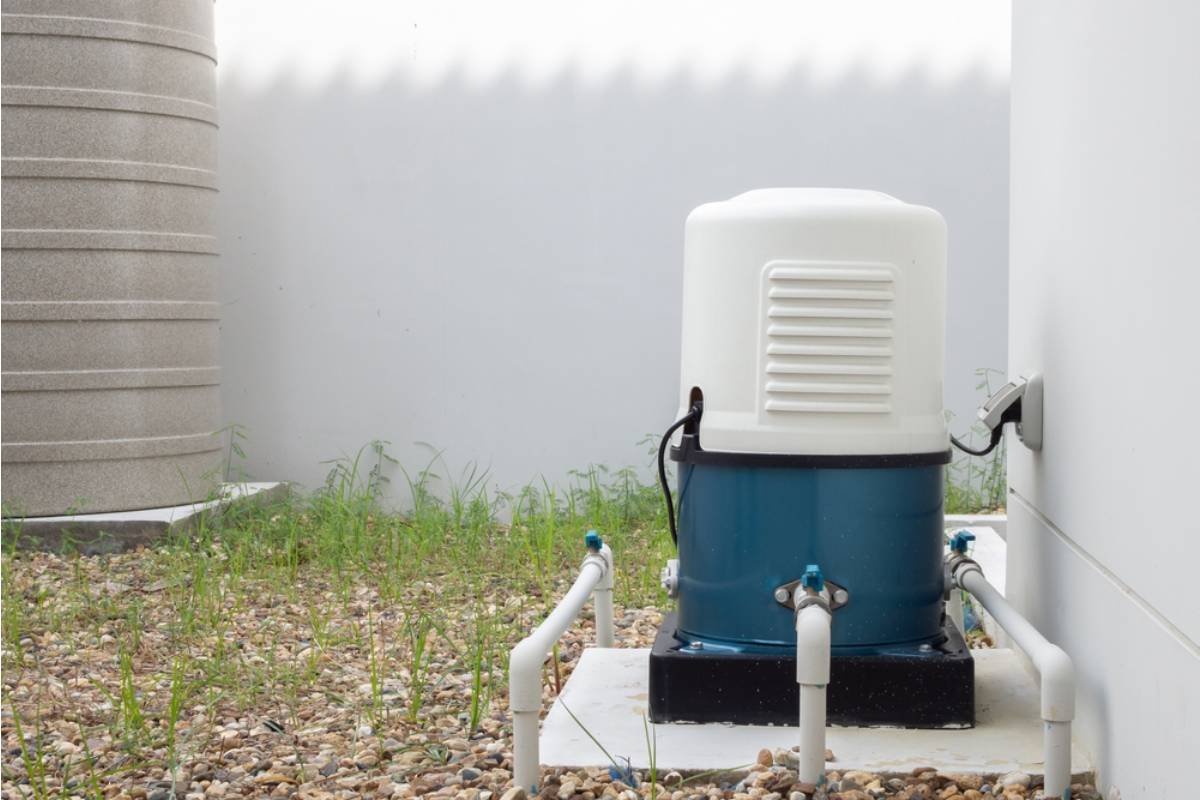
Homeowner Says a Neighbor’s New Above-Ground Water Softener System Drains Salt Water Directly Into the Corner of Her Garden
Linda had spent nearly a decade building a backyard garden that supplied fresh vegetables, flowers, and herbs to her family every season. Every bed had been carefully improved with compost and mulch until the soil became rich and healthy. She thought she understood every challenge her garden could face. Then a neighbor’s home improvement project seemed to coincide with a series of strange problems that left her searching for answers.
A New Installation Brings Excitement Next Door
Linda’s neighbor, Greg, recently upgraded his home with a modern above ground water softener system after dealing with hard water for years. Contractors worked for two days before finishing the installation near the back corner of his house. Greg proudly explained that the system would protect his plumbing and household appliances from mineral buildup. Linda congratulated him because she believed everyone should be able to improve their property. At that point, neither of them imagined the project could affect the neighboring yard.
An Odd Wet Spot Refuses to Dry
Several days after the installation, Linda noticed a constantly damp section near the corner of her vegetable garden closest to the shared fence. Even after several dry days, the soil remained unusually wet. She assumed an underground sprinkler line might be leaking. After checking every irrigation connection, she found nothing wrong. The mystery only deepened as the damp area slowly expanded.
Healthy Plants Begin Showing Stress
The first signs of trouble appeared in a row of bush beans that had always produced reliable harvests. Their leaves lost their deep green color and began curling around the edges. Nearby lettuce wilted despite receiving the same care as the rest of the garden. Plants only a few feet away continued growing normally. Linda could not understand why the damage stopped so suddenly outside the affected corner.
A Curious Observation Changes Her Focus
One afternoon while pulling weeds, Linda heard water flowing on the other side of the fence. Moments later, she noticed fresh moisture spreading through the same section of soil that had remained wet for days. She quietly watched until the sound stopped. The timing seemed too consistent to ignore. For the first time, she wondered whether the neighboring property might somehow be connected.
A Friendly Conversation Raises More Questions
Linda knocked on Greg’s door later that evening and explained what she had noticed. Greg listened carefully before mentioning that the new water softener automatically discharged water during certain cycles. He admitted he was not exactly sure where the system drained because the installers handled everything. Linda thanked him for the information and suggested they look at it together. Greg agreed without hesitation because he wanted to understand the situation as well.
Following the Drain Line
The next afternoon, Greg activated the system while both neighbors stood outside. They watched a small discharge pipe release water into a shallow drainage area near the fence. Linda noticed that the ground naturally sloped toward the corner of her vegetable beds. Within minutes, moisture began collecting in the same area where her struggling plants were located. Neither neighbor had realized how easily the water traveled across the property line.
Soil Tests Reveal Unexpected Differences
Linda purchased a soil testing kit and compared samples from several garden beds. The readings from the affected corner differed noticeably from those taken elsewhere in the yard. Unsure how much the home test explained, she repeated the process using fresh samples. The results remained consistent. Although the numbers alone could not identify the exact cause, they confirmed that one section of soil behaved differently from the rest.
Gardening Friends Offer Practical Advice
At the monthly community gardening meeting, Linda described what she had observed without accusing Greg of causing the problem. Several experienced gardeners suggested documenting everything before drawing conclusions. One member recommended laboratory soil analysis instead of relying solely on home testing kits. Another encouraged her to monitor exactly when the damp area appeared after the water softener cycled. Linda appreciated the practical advice because she wanted evidence rather than assumptions.
Professional Testing Adds More Information
Linda submitted soil samples from multiple parts of the garden to a laboratory for analysis. When the report arrived, it confirmed that the corner closest to the fence differed significantly from the healthier beds elsewhere in the yard. The report recommended improving drainage and restoring soil balance before planting sensitive crops again. It also suggested identifying the source of the repeated moisture before beginning any restoration. Linda finally felt she had enough information to continue the conversation with Greg.
Greg Takes the Concern Seriously
After reading the laboratory report, Greg immediately contacted the plumbing company that had installed the water softener. He explained that he wanted the drainage arrangement reviewed because it might be affecting the neighboring property. The technician agreed to inspect the system and arrived a few days later. Rather than becoming defensive, he carefully examined the pipe placement, the yard’s slope, and the drainage path. His willingness to investigate eased much of the tension between the neighbors.
The Inspection Reveals an Overlooked Detail
The technician discovered that the discharge line emptied into an area where runoff naturally followed the slight grade toward Linda’s garden. While the installation functioned correctly, the surrounding landscape allowed water to travel farther than expected after each regeneration cycle. He explained that redirecting the discharge to a more suitable drainage point would better contain the flow. Greg immediately approved the recommendation. Linda appreciated that the solution focused on preventing future problems instead of debating the past.
Repairing the Garden Takes Patience
Once the drainage was redirected, Linda began restoring the damaged section of soil. She removed several struggling plants, added fresh organic matter, and carefully monitored the moisture level every few days. Recovery happened slowly rather than overnight. Some vegetables never fully recovered, but new seedlings showed much stronger growth than earlier plantings. Watching healthy leaves appear again gave Linda confidence that the effort was worthwhile.
The Neighborhood Learns From the Experience
News of the situation spread because several nearby homeowners planned to install similar water treatment systems. During the next neighborhood association meeting, residents discussed how drainage from home improvement projects should be considered before equipment is installed. Landscapers, plumbers, and gardeners all shared useful suggestions about protecting neighboring properties. The discussion remained positive because everyone wanted to avoid similar misunderstandings. What began as one homeowner’s concern became a valuable lesson for the entire community.
An Unexpected Gift Ends the Tension
Toward the end of the growing season, Greg surprised Linda with several bags of compost and high quality mulch. He explained that while the situation had never been intentional, he wanted to help restore the part of the garden that had struggled.
Linda thanked him warmly and invited him to see the new vegetables beginning to thrive. Together they planted a row of herbs along the repaired bed as a symbol of moving forward. The simple project reminded both neighbors that cooperation often produces better results than conflict.
A Stronger Friendship Grows Beside the Garden
By the following season, the repaired corner blended almost perfectly with the rest of Linda’s thriving backyard. Tomatoes, peppers, beans, and herbs once again filled the beds with healthy color, and visitors could no longer tell where the earlier damage had occurred. Greg occasionally stopped by to help spread mulch or carry bags of compost, while Linda often shared fresh vegetables from each harvest.
Looking across the fence, both neighbors realized the greatest success was not simply restoring the garden. It was proving that honest communication, careful investigation, and a willingness to solve problems together could strengthen a neighborhood just as surely as healthy soil strengthens a garden.