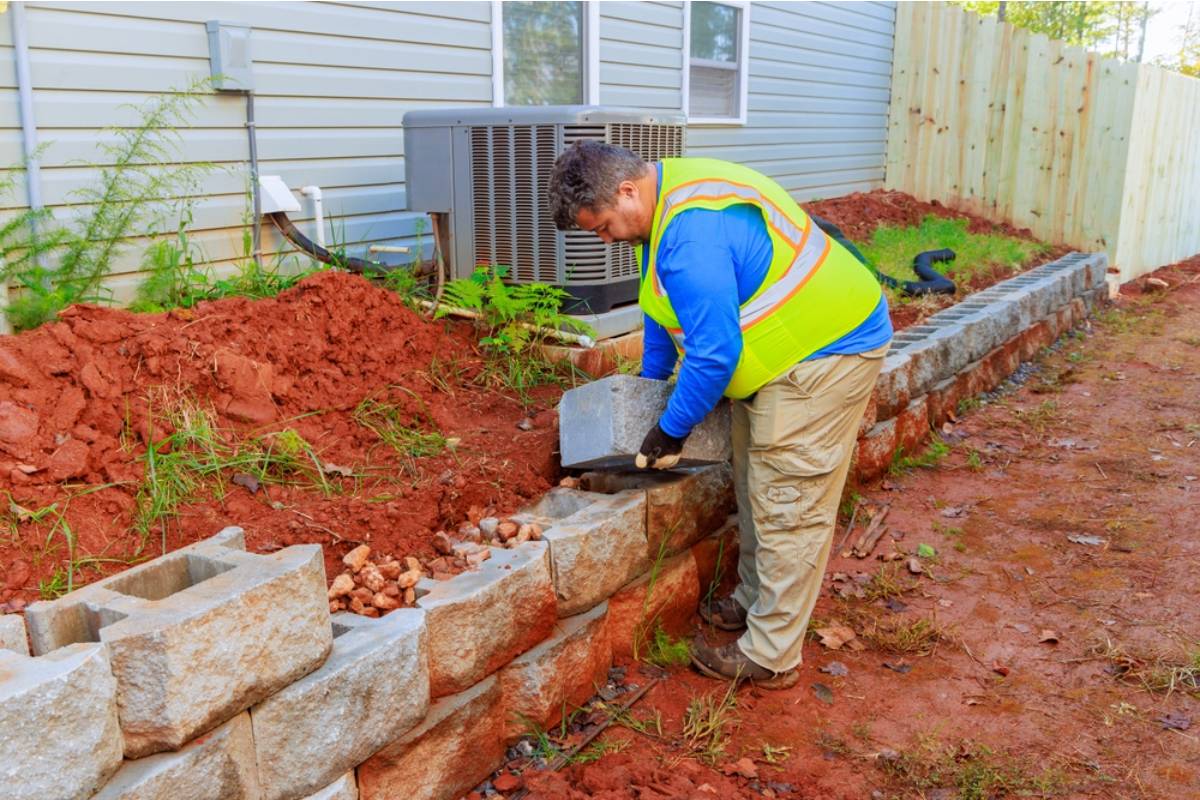
Homeowner Says His Neighbor Convinced Him to Share the Cost of a Retaining Wall to Protect Both Gardens, Then Extended It Onto His Property Without Ever Mentioning the Change
When my wife and I bought our home, the backyard was one of its biggest selling points. It sloped gently toward the rear fence, creating enough elevation for terraced flower beds, a vegetable patch, and a small sitting area where we spent quiet evenings after work. The neighboring yard sat slightly higher than ours, so we always knew a retaining wall might eventually become necessary to prevent erosion.
We never rushed into the project because the slope had remained stable for years, but we agreed it would be worth addressing if conditions changed. I had no idea that what began as a cooperative plan between neighbors would eventually turn into one of the most uncomfortable property disputes I have ever experienced.
Heavy Rain Started Raising Concerns
One spring, several days of steady rain left both backyards noticeably softer than usual. Small channels formed where water traveled downhill, carrying bits of mulch and loose soil toward the fence.
My neighbor, Eric, walked over while I was checking the drainage. He pointed to the slope and said we should probably solve the problem before it became much more expensive. His concern sounded reasonable, and I appreciated that he wanted to discuss it before either yard suffered serious damage.
We Agreed to Work Together
Over coffee on my patio, Eric suggested splitting the cost of a retaining wall that would support both properties. He explained that because the slope benefited both yards, sharing the expense seemed fair.
The proposal made sense. We talked about appearance, drainage, and landscaping around the finished wall. By the time the conversation ended, I felt confident we had reached an understanding based on trust rather than legal paperwork.
The Contractor Walked the Property
A contractor visited both homes to evaluate the project. We all walked the backyard together while he measured the slope and discussed possible designs.
I clearly remember him placing small marking flags along what appeared to be the existing property line. Eric nodded several times during the discussion, and I assumed everyone agreed on the general location. Nothing during that meeting suggested the wall would extend anywhere beyond the shared boundary.
Construction Started While I Was Working
The following week the crew began excavating while I was at the office. My wife texted me a few pictures showing piles of stone and heavy equipment, and everything looked exactly as expected.
By the time I returned home, the foundation trench had already been dug. From a quick glance over the fence, the project seemed to be progressing smoothly, so I thanked the crew for their work and stayed out of the way.
Something Looked Different After the Weekend
Construction paused for two days before resuming the following Monday. That evening I walked through the backyard to admire the progress.
As I stood near the vegetable beds, I noticed the wall did not seem to line up with the original survey markers I remembered seeing years earlier. At first I assumed the different perspective made it look unusual, but the feeling lingered.
My Garden Suddenly Felt Smaller
The farther I walked along the retaining wall, the more uncomfortable I became. One corner of the structure appeared to angle inward toward my side instead of following a straight line.
I grabbed a measuring tape and compared distances to permanent landmarks around the yard. The numbers did not match my old landscaping notes. It was not a dramatic difference, but it was enough to make me question whether something had changed.
Eric Had a Ready Explanation
When I mentioned my concern to Eric, he smiled and waved it away. He claimed slight adjustments were common during construction because contractors often discovered hidden rocks or unstable soil.
He assured me the final result would actually improve drainage and leave both properties better protected. Since I had no construction experience, I wanted to believe him. Still, his explanation did not fully ease my concern.
The Original Survey Was Still in My Files
That evening I searched through a cabinet containing paperwork from when we purchased the house. Buried inside an old folder was a copy of the original property survey completed before closing.
The next afternoon I compared the survey with visible landmarks in the yard. The retaining wall appeared to extend beyond the boundary shown on the drawing. I checked my measurements three separate times hoping I had misunderstood something, but each attempt pointed toward the same conclusion.
The Contractor Seemed Surprised
I politely approached the contractor while the crew was finishing another section. I asked whether the wall had been moved after construction began.
He looked genuinely puzzled before checking the revised plans stored inside his truck. After several minutes he admitted that updated instructions had been provided after the initial site visit. According to those documents, part of the wall now extended farther onto my side of the property.
I asked who approved the revision. He quietly replied that he only followed the plans he received.
Nobody Had Ever Mentioned a Revision
That answer caught me completely off guard. I had never received a phone call, email, or text explaining that the layout had changed after our original conversation.
When I confronted Eric later that evening, he admitted requesting the adjustment because he believed it created a stronger angle for supporting the higher portion of his yard. He insisted the change was minor and assumed I would not mind once everything looked finished.
His words frustrated me more than the construction itself. He had decided what would happen on my property without ever giving me the opportunity to agree or disagree.
The Conversation Became More Serious
I explained that the issue was not simply about a few feet of landscaping. It was about making decisions involving someone else’s property without informing them first.
Eric became defensive, arguing that I was focusing on technical details instead of appreciating the improved retaining wall. I reminded him that technical details determine property boundaries, future improvements, and potential home sales.
For the first time since we became neighbors, neither of us knew how to continue the conversation.
A Surveyor Settled the Question
Rather than continuing to argue, I hired a licensed surveyor to evaluate the property. He spent several hours locating existing markers, confirming measurements, and reviewing historical records.
When he finished, his findings confirmed that part of the retaining wall extended onto my property beyond the original boundary. Seeing the measurements documented by an independent professional removed any remaining uncertainty about what had happened.
The Contractor Offered an Honest Perspective
After reviewing the updated survey, the contractor privately admitted he wished everyone had participated in one final walkthrough before construction resumed.
He explained that changes sometimes occur during projects, but homeowners are usually informed when revisions affect shared boundaries. He seemed disappointed that communication had broken down because the disagreement overshadowed what otherwise would have been quality workmanship.
His honesty helped lower the tension even though it did not solve the problem.
Finding a Practical Solution
After several difficult conversations, Eric finally acknowledged that he should have discussed the revised design before approving it. He admitted worrying that I would reject the change, so he convinced himself it would be easier to explain after construction was complete.
Instead of demanding the entire wall be removed, we met with the contractor, surveyor, and a local mediator to explore practical options. Together we agreed on modifications that restored the property line while preserving the structural integrity of the retaining wall.
The process took patience, but everyone eventually signed updated documents reflecting the corrected layout.
The Garden Slowly Returned to Normal
Once the final adjustments were completed, I rebuilt the flower beds that had been disturbed during construction. Fresh mulch covered the soil, climbing roses returned to their trellis, and new vegetables filled the raised beds.
Looking across the backyard no longer reminded me of frustration. Instead, it reminded me how quickly trust can disappear when people assume silence means agreement.
A Lesson Worth Remembering
Today the retaining wall does exactly what it was supposed to do. It protects both gardens, manages the slope, and blends naturally into the surrounding landscape. Visitors rarely notice anything unusual because they never saw the confusion that unfolded during construction.
Whenever friends mention planning shared projects with neighbors, I tell them the same thing. Friendly conversations are a wonderful place to begin, but clear communication should never end once the first handshake is over. The strongest walls are not built with stone alone. They are built with honesty, transparency, and the simple respect of making sure everyone knows exactly what is happening before the first shovel ever touches the ground.