Gardener Says Someone Keeps Pulling Out Her “Weeds” That Are Actually Intentional Wild Plants, Now She’s Left an Angry Sign and the Street Is Divided
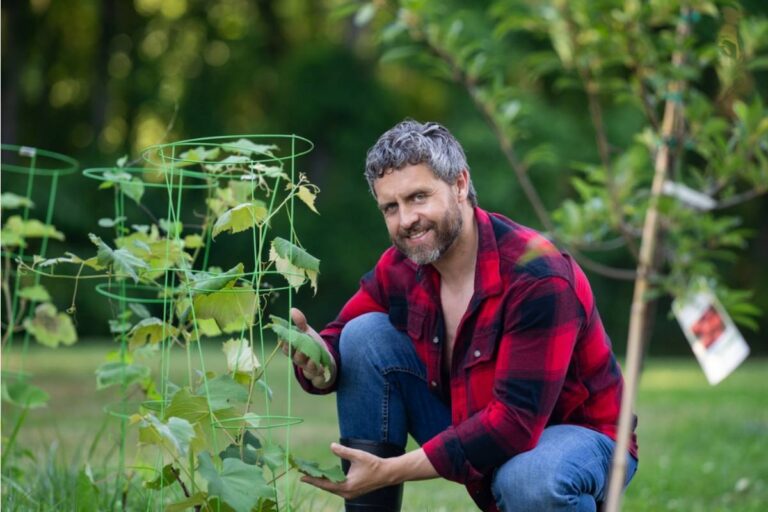
In a quiet suburban street in Oregon, Hannah had spent months turning her front yard into a native plant garden filled with wildflowers, milkweed, and grasses meant to support pollinators. She had carefully chosen every plant after reading about local ecosystems and wanted something that looked natural rather than manicured.
Most neighbors initially thought it looked a little messy but harmless, especially compared to traditional trimmed lawns. That changed when someone started pulling out what they believed were weeds from her garden. Soon, a small disagreement turned into a neighborhood argument that split the street in two.
The garden that did not look like a typical yard
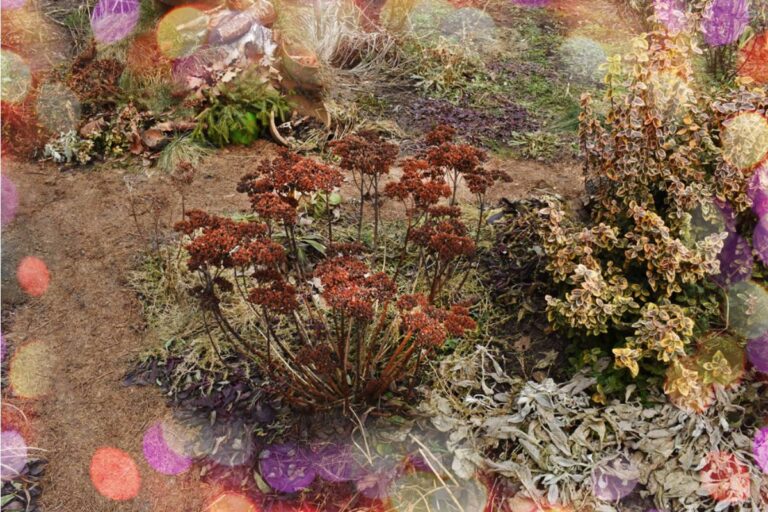
Hannah planted her front yard with clusters of wildflowers that grew in uneven patterns instead of neat rows. The mix of tall stems and soft blooms made the space look more like a meadow than a suburban lawn. She placed small wooden labels near certain plants to explain their purpose for bees and butterflies. Some neighbors slowed down their cars just to look, unsure whether it was intentional landscaping or neglect. Hannah felt proud because it looked alive in a way grass never had.
The first signs of missing plants
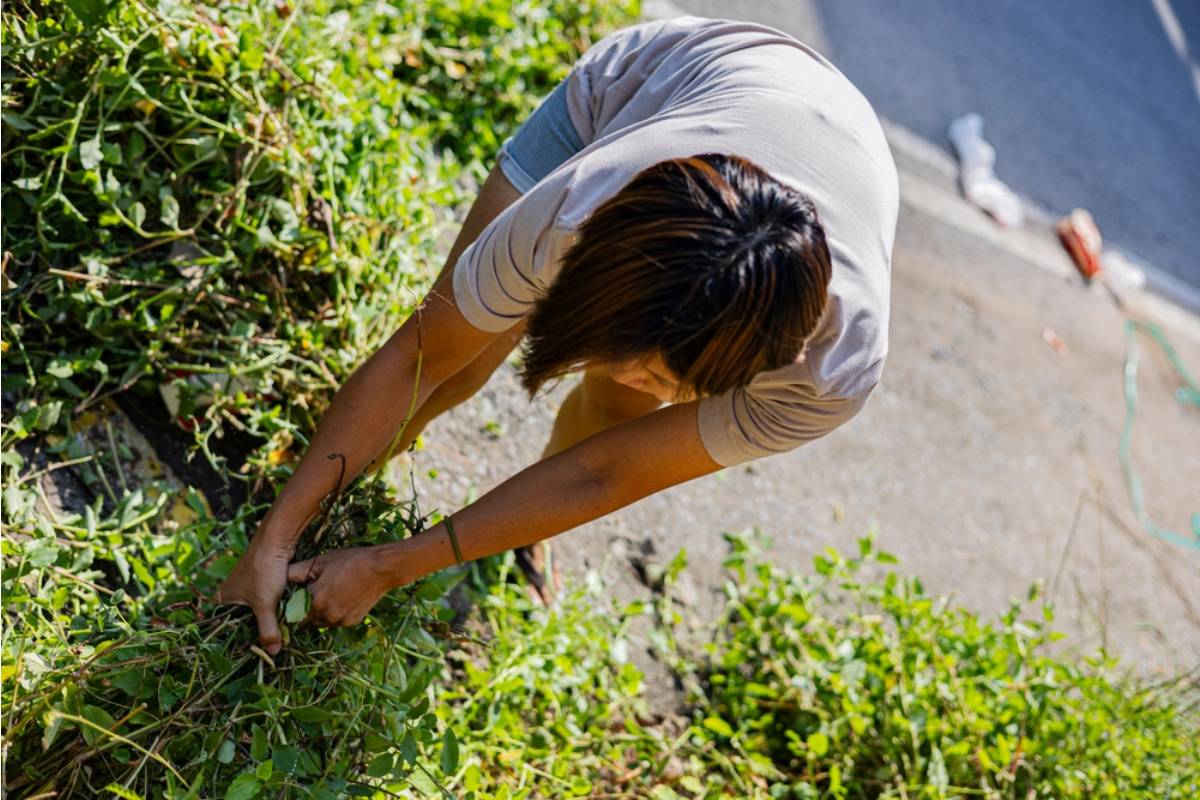
One morning, Hannah noticed small empty patches where young seedlings had been the day before. At first she assumed animals had disturbed the soil overnight. But then she saw that the stems had been pulled cleanly from the roots, not eaten or damaged naturally. The soil looked intentionally disturbed, almost carefully cleared. She stood there longer than she wanted to, realizing someone had been in her yard.
A neighbor raises concerns at the mailbox
While checking her mail, Hannah was approached by Kevin from across the street who mentioned her yard was starting to look overgrown. He said a few residents were unsure if it was being maintained properly. Hannah explained that the plants were intentional native species chosen for pollinators. Kevin nodded politely but said it still looked like weeds to most people passing by. The conversation ended with a polite smile that did not feel resolved.
The second wave of removals
Over the next week, more plants disappeared, especially the taller flowering ones that stood out the most. Hannah began checking her yard every morning before leaving for work. Each time, she found small sections cleared as if someone had carefully selected what to remove. She started taking photos of the garden to track what was being lost. The pattern made it clear this was not random.
The handwritten sign appears
Hannah placed a sign near the edge of her yard that read please do not remove plants they are intentionally grown native species. She hoped it would stop the confusion and prevent further damage. Instead, the sign became a new point of discussion on the street. Some neighbors said it looked defensive while others said it was necessary. The yard now had a warning attached to it, which changed how people viewed it.
A late afternoon confrontation
One evening, Hannah caught Linda from two houses down stepping back from the garden holding a pulled stem. Hannah walked quickly outside and asked what she was doing. Linda said she thought she was helping by removing weeds that were spreading into shared visual space. Hannah explained again that every plant had been chosen deliberately. The conversation ended with Linda insisting she was only trying to keep the neighborhood looking maintained.
The street begins to take sides
After that exchange, word spread quickly among neighbors about the garden situation. Some people supported Hannah and appreciated the environmental effort. Others agreed with Linda that the yard looked unkempt and confusing. Small conversations at driveways and mailboxes turned into quiet arguments. The street no longer had a shared opinion about what the yard represented.
A visit from the homeowners association
The HOA sent a notice asking for clarification about the yard maintenance situation. Hannah attended a meeting where she explained the purpose of the native plants and showed documentation about pollinator friendly landscaping. A board member said the issue was not the plants themselves but resident complaints about appearance standards. Linda attended as well and argued that the yard created uncertainty about upkeep. The HOA said they would not require removal but suggested clearer visual boundaries.
New markers added to the garden
Following the HOA suggestion, Hannah added small border stones to define where the garden began. She also added more signs labeling specific plants as intentional native species. The changes made the yard look more structured, but also more divided. Linda said the markers helped slightly but still did not change the overall impression. The tension between clarity and appearance remained unresolved.
The nighttime discovery
One evening, Hannah stayed up later than usual and noticed movement near the front yard. From her window, she saw a figure bending down near the flowers and pulling something from the soil. She stepped outside and the person quickly moved away without responding. In the morning, several more plants were missing from the same area. Hannah realized the problem had not stopped even with signs and markers.
A neighborhood meeting on the sidewalk
A group of neighbors gathered on the sidewalk to discuss the situation after more complaints were made. Hannah explained again that the plants were part of a planned ecosystem garden. Linda insisted that clear rules about appearance should take priority in shared residential spaces. Others argued that diversity in landscaping should be allowed. The discussion became more heated as no one agreed on what counted as acceptable maintenance.
The unexpected compromise suggestion
One neighbor suggested creating a shared explanation board so visitors would understand the garden without confusion. Hannah liked the idea, but Linda said it still did not address the issue of what looked like neglected space. The HOA agreed to allow a small informational display near the property edge. It was not a perfect solution, but it reduced some misunderstandings. Still, trust between neighbors remained fragile.
The garden after the division
Weeks later, Hannah’s garden continued to grow, though now more carefully labeled and partially reorganized. Some neighbors stopped engaging with it altogether, while others began asking questions about native plants. The sign remained in place, slightly weathered, marking the boundary between misunderstanding and intention. The missing plants never fully stopped being replaced or removed. What started as a simple attempt to support local wildlife had turned into a street wide debate about control, appearance, and what a garden was supposed to be.