Homeowners Are Disagreeing Over Shared Fence Gardens, And It’s Turning Simple Planting Into a Bigger Conflict
Homeowners are disagreeing over shared fence gardens, and what started as a simple idea to make boundaries greener has now turned into a growing source of tension between neighbors.
The Idea Began as a Shared Upgrade
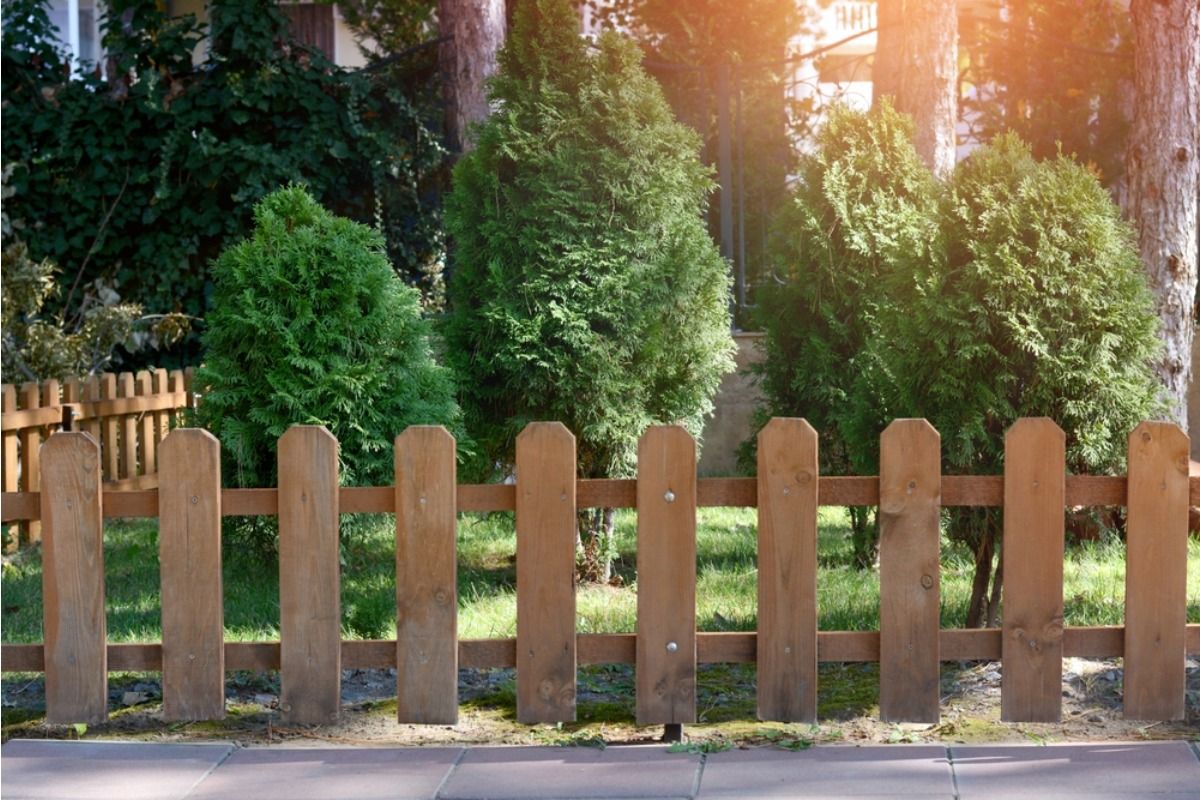
At first, planting along the fence felt like a win for both sides. It added greenery, privacy, and a nicer view. Some neighbors even discussed it casually and agreed to try it. The space seemed perfect for climbing plants and shrubs. It didn’t feel complicated. Just a shared improvement.
Ownership of the Space Became Unclear
As plants started growing, questions about ownership came up. Who decides what gets planted? Who maintains it? The fence line didn’t clearly belong to one side in practice. That blurred boundary created confusion. And confusion led to disagreement.
Different Gardening Styles Clashed
One homeowner preferred neat, trimmed plants. The other liked fuller, more natural growth. These styles didn’t blend easily in a shared space. What looked healthy to one looked overgrown to the other. And small differences became noticeable quickly. Aesthetic preferences turned into points of conflict.
Maintenance Responsibilities Weren’t Defined
As plants grew, so did the need for upkeep. Watering, trimming, and cleaning became necessary. But no one had clearly agreed on who would do what. One side felt they were doing more work. The other felt they weren’t consulted. That imbalance added frustration.
Growth Started Crossing Boundaries
Branches and roots didn’t stay neatly on one side. Plants spread across the fence line. This affected sunlight, space, and even nearby plants. What started as shared greenery began affecting individual gardens. And that made the issue more personal.
Changes Happened Without Agreement
In some cases, one neighbor would trim or adjust plants without informing the other. These actions were seen as interference. Even if done with good intentions, they caused tension. The shared space became sensitive. And trust started to weaken.
The Fence Became More Than Just a Boundary
Instead of separating properties, the fence turned into a shared responsibility. That made it harder to manage. Every decision affected both sides. And without clear communication, misunderstandings increased. The simple structure became a point of negotiation.
Attempts to Discuss Solutions Varied
Some neighbors tried to talk things through. They suggested dividing sections or agreeing on plant types. Others avoided the conversation altogether. Not every discussion led to agreement. And unresolved issues continued to build.
Privacy and Control Became Key Concerns
Beyond plants, the situation touched on privacy and control. Each homeowner wanted to feel in charge of their space. Shared gardening made that harder. Decisions weren’t fully independent anymore. And that created discomfort on both sides.
Small Issues Turned Into Bigger Disagreements
What started as minor concerns, like trimming or watering, grew into larger arguments. The emotional side of ownership and fairness took over. Even small actions were interpreted more strongly. And the conflict expanded beyond gardening.
A Shared Space That Needs Clear Boundaries
In the end, the issue isn’t just about plants, it’s about shared responsibility without clear rules. And without agreement on boundaries, even simple planting can turn into a bigger conflict.