Homeowner Says Her Neighbor Mocked Her Backyard Worm Farm as “Disgusting” for Years, Then Asked for a Starter Batch the Moment She Saw the Soil Results
For years, my backyard project was the subject of jokes from the person living next door. My neighbor never understood why I spent time caring for thousands of tiny creatures that most people ignored. I stopped trying to convince him after a while and simply focused on my garden. What changed everything was the moment he saw what those creatures had done beneath the surface.
The Small Project That Started Behind My Shed
When I first moved into my house, the backyard soil was one of the biggest challenges I faced. The ground was hard, dry, and struggled to support healthy plants. I could grow a few flowers, but vegetables often started strong and then faded before producing much.
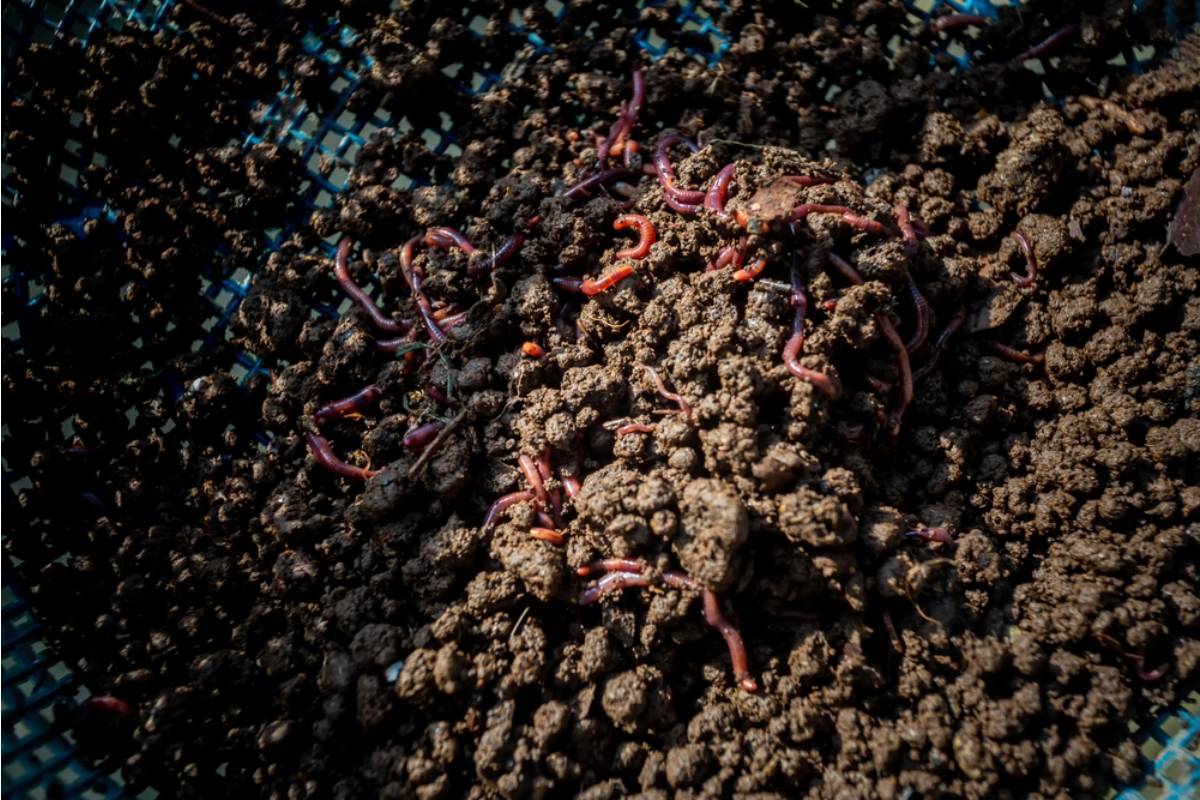
After researching natural gardening methods, I decided to try vermicomposting. I bought a small worm bin and filled it with bedding material, food scraps, and red wigglers that would help turn waste into rich compost.
At first, the setup was barely noticeable. It sat behind my garden shed where it was protected from direct sunlight and heavy rain. I never imagined it would become the center of years of conversations with my neighbor.
My Neighbor Had a Strong Reaction
The first time my neighbor Mark saw the worm bin, he immediately looked confused.
“What exactly are you keeping back there?” he asked.
When I explained that I was raising composting worms to improve my garden soil, his face changed.
“You have a box of worms in your yard?”
I laughed because I understood why it sounded unusual. I explained that the worms stayed contained, did not smell, and helped create natural fertilizer. Mark did not seem convinced.
The Jokes Started Almost Immediately
After that day, Mark brought up the worm farm whenever we talked over the fence.
He called it my “bug hotel” and joked that I should put up a sign warning visitors. Sometimes he would ask if my worms were having a family reunion or if I planned to charge them rent.
I never took the comments personally. Gardening has always involved trying things that seem strange to people who have never experienced the results.
I simply continued maintaining the worm bin.
The Garden Slowly Began Changing
Within a year, the difference in my garden became obvious.
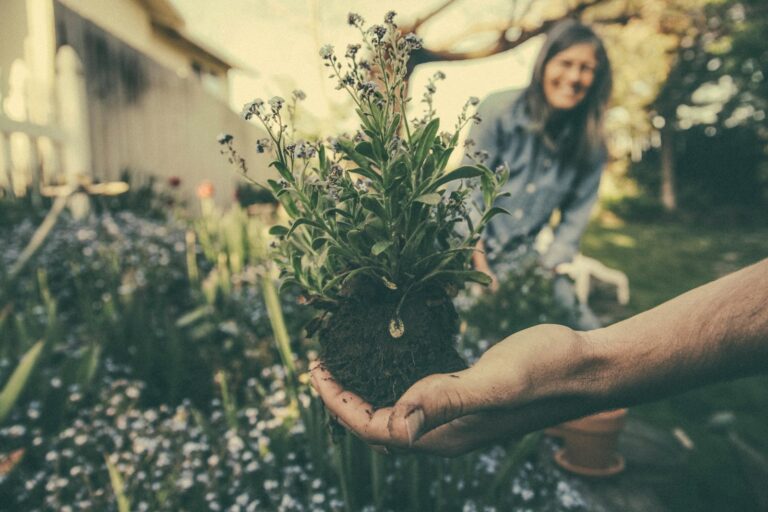
The compost from the worm farm created dark, nutrient rich soil that held moisture better than the original dirt. My tomatoes grew taller, my herbs became more productive, and my flowers bloomed more consistently.
Neighbors walking past my yard started asking what I was doing differently.
I always explained the worm compost, and many people were surprised.
Mark, however, remained unimpressed.
He Believed Store Bought Products Were Better
Mark preferred traditional gardening methods.
Every spring, he visited a home improvement store and returned with bags of fertilizer, soil conditioners, and various lawn treatments. He had a beautiful lawn, but his vegetable garden always struggled.
Whenever he saw me adding worm compost to my beds, he shook his head.
“I still don’t understand why you make gardening harder than it needs to be,” he said.
I told him there was nothing difficult about it once the system was established.
He just smiled like he knew better.
The Neighborhood Garden Tour Changed Attention
A local gardening group organized a neighborhood garden walk, and several homeowners volunteered to show their yards.
I almost did not participate because I thought my garden was ordinary. However, a friend convinced me because she believed others would appreciate seeing a natural approach.
During the tour, people asked many questions about the worm farm. They wanted to know about the setup, maintenance, and how much waste it could process.
Mark happened to be outside during part of the event.
For the first time, he listened instead of laughing.
The Soil Test Revealed the Difference
Later that season, several neighbors participated in a community soil testing project.
The results showed that my garden beds had excellent organic matter levels and strong soil structure. The report explained that the compost had helped improve the overall condition of the soil.
Mark saw the results when we were discussing them outside.
“That came from those worms?” he asked.
I nodded.
He looked genuinely surprised.
It was the first time he seemed curious rather than skeptical.
His Garden Started Struggling
The following growing season was difficult for Mark.
His tomato plants developed slowly, and his vegetable beds dried out faster than usual. He tried adding more fertilizer, but the results did not improve much.
One afternoon, he stood near the fence looking at my garden.
“Your plants always seem healthier,” he admitted.
I told him healthy soil usually mattered more than adding more products after problems appeared.
He nodded but did not say much.
The Unexpected Question Arrived
A few weeks later, Mark knocked on my door.
I expected another joke about the worm farm.
Instead, he stood there holding a small empty container.
“I wanted to ask you something,” he said.
I waited.
“Would you be willing to give me some worms to start my own bin?”
For a moment, I thought I had misunderstood him.
This was the same person who had spent years calling the project disgusting.
He Explained What Changed His Mind
Mark admitted he had been watching his garden decline while seeing mine continue producing.
He said the soil test results made him rethink everything he believed about composting. He also talked to another neighbor who explained that healthier soil required more than just adding fertilizer.
“I guess I judged it before understanding it,” he said.
That was probably the first honest conversation we had about gardening.
Starting His Own Worm Farm Was Not Simple
I agreed to help, but I told him he needed to learn the process first.
I showed him how to prepare bedding, what materials were safe to add, and how to maintain proper moisture levels. I explained that worms were living creatures, not just a tool to throw into a container and forget.
Mark took notes.
The same person who once refused to touch the compost bin was now asking detailed questions about temperature and feeding schedules.
His First Batch Became a Learning Experience
Mark’s first attempt was not perfect.
He added too much food at once and had to adjust the balance inside the bin. He called me worried that he had ruined everything.
I helped him correct the problem, and within a few weeks, the worms were thriving.
He laughed when he checked the finished compost.
“I cannot believe I spent years making fun of this.”
I reminded him that many people react that way before seeing the results.
The Same Neighbor Started Sharing Advice
The next spring, something unexpected happened.
A new neighbor moved in and asked Mark about his garden. Instead of dismissing composting, Mark explained how worm compost had improved his soil.
He even showed the new neighbor his worm bin.
I overheard him say, “I used to think this was ridiculous too.”
Hearing those words made me smile because I remembered how different his attitude had been.
The Garden Became a Shared Interest
Over time, Mark and I started exchanging gardening advice instead of arguing over methods.
He still preferred some traditional approaches, and I still enjoyed experimenting with natural techniques. We did not become identical gardeners, but we learned to respect each other’s choices.
Sometimes he brought over extra vegetables from his improved garden. Sometimes I shared finished compost when his bin was still developing.
The thing that once created tension became something we bonded over.
The Worm Farm Was Never Really the Problem
Looking back, the funniest part of the entire experience is that the worm farm never changed.
It was the same box, in the same location, producing the same valuable compost. The only thing that changed was someone’s understanding of what he was seeing.
Mark once looked at it and saw something unpleasant.
Later, he looked at the same thing and saw an opportunity.
The worms did not need to prove themselves. The garden results had already done that.
A Lesson Hidden Beneath the Soil
Gardening has a way of teaching patience, not only with plants but with people.
Sometimes others criticize what they do not understand. Sometimes the things that look unusual at first turn out to be the most useful.
I never expected my neighbor to become interested in worm composting, especially after years of jokes. But watching him transform from a critic into someone who shared gardening advice became one of the most rewarding parts of the entire experience.
The biggest improvement in my backyard was not just healthier soil.
It was realizing that even the strongest opinions can change when people finally see the results growing right in front of them.