Some Home Gardeners Are Growing Entire Salad Gardens in Window Boxes, And People Are Realizing They Never Needed a Big Yard to Begin With
In a small apartment complex in Oregon, a few residents started experimenting with growing food in places nobody had really considered before. Instead of waiting for a backyard, they used window boxes attached to railings and ledges to grow lettuce, herbs, and even small vegetables.
What began as a few quiet experiments quickly spread through the building as neighbors noticed fresh greens growing outside kitchen windows. The surprising part was not just that it worked, but how much food could be produced in such a small space. Soon, people who once complained about lack of gardening space were rethinking everything.
A First Attempt on a Narrow Balcony
Megan was the first in her building to try turning a window box into a salad garden. She started with basic lettuce seeds, a few herbs, and a cheap plastic planter from a hardware store. Her balcony barely had enough room for a chair, but she figured it was worth experimenting. Within days, tiny sprouts began pushing through the soil, surprising her more than she expected. She had no gardening experience, just curiosity and a desire to eat something she grew herself.
Neighbors Notice Something Unusual Outside the Windows
At first, no one paid attention to Megan’s setup. But as the weeks passed, bright green leaves began spilling over the edges of her window box. People walking by started slowing down to look up at her balcony. One neighbor even asked if she was running a small farm above the parking lot. Megan laughed it off but realized her small experiment was starting to attract attention.
A Second Apartment Joins the Experiment
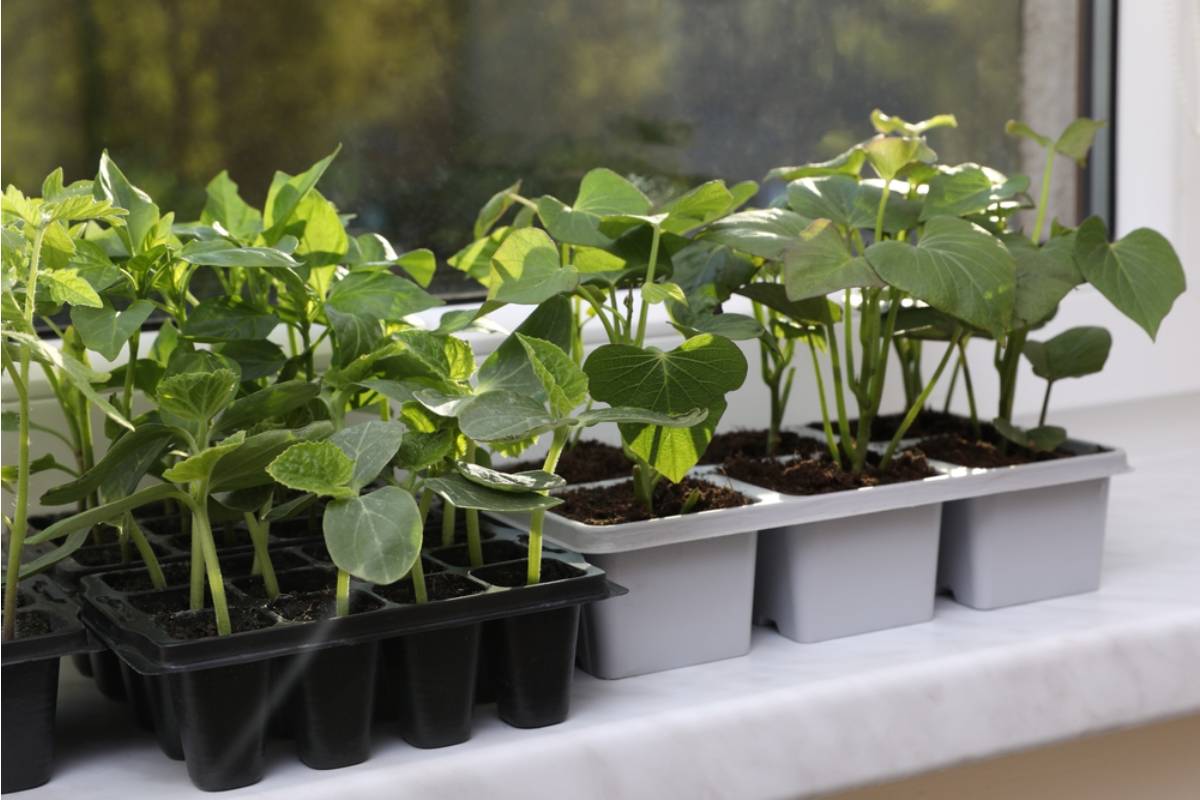
Inspired by what she saw, a neighbor named Daniel decided to try his own window box garden. He added spinach, basil, and cherry tomatoes along his kitchen window. Unlike Megan, he had never grown anything before. Still, he followed simple instructions he found online. Within a month, his window looked like a green shelf of food growing right outside his cooking space.
The Building Starts Looking Different
Soon, multiple apartments began adding window boxes filled with greens and herbs. The once plain exterior of the building started to look like rows of small gardens stacked vertically. Residents joked that the building had turned into a salad tower. Even people who never cooked began participating just for fun. The transformation surprised even the property manager, who initially thought it would look messy.
A Grocery Receipt Sparks a Conversation
One evening, Megan and Daniel compared grocery receipts over coffee in the hallway. They realized how often they were buying small amounts of herbs and lettuce that cost more than expected. Megan pointed out that her window box had already replaced several grocery trips. Daniel admitted he had not bought basil in weeks. That simple realization made others in the building start paying attention.
A Small Storm Tests the Gardens
A sudden windstorm hit the area and knocked over a few poorly secured window boxes. Some residents feared the experiment would end there. But most of the plants survived with minor damage. People quickly reinforced their boxes with stronger brackets and drainage trays. Instead of stopping the trend, the storm made everyone take it more seriously.
A Retired Teacher Explains the Science Behind It
One resident, Mrs. Holloway, who had taught biology for decades, started explaining why the window boxes were working so well. She pointed out that leafy greens actually prefer shallow containers and controlled sunlight. Her explanations made people realize they had been overthinking gardening for years. She even helped neighbors adjust soil mixtures for better results. The building’s hallway conversations suddenly sounded like a science class.
A Social Media Post Changes Everything
Megan posted a simple before and after photo of her window box on a neighborhood group online. The post spread quickly beyond the local community. People were surprised to see how much food was growing in such a small space. Comments started pouring in from apartment residents in other cities asking how to start their own setups. The idea of needing a yard suddenly began to feel outdated.
A City Housing Inspector Takes Interest
A housing inspector visiting the building for routine checks noticed the greenery on nearly every floor. Instead of concern, he seemed impressed. He mentioned that urban gardening like this was becoming more common in dense housing areas. He even suggested that it could improve air quality and resident satisfaction. His comments reassured residents who were unsure if they needed permission for their setups.
A Failed Attempt Becomes a Learning Moment
Not every window box worked perfectly. One resident overwatered her herbs, causing them to wilt. Another placed tomatoes in too small a container and watched them struggle. Instead of discouraging people, these mistakes became shared lessons in group chats. Residents began swapping tips on drainage, soil depth, and sunlight placement. Failure became part of the learning process rather than a setback.
The First Full Window Salad Is Harvested
Megan eventually harvested enough lettuce and herbs to make a full salad entirely from her window box. She invited a few neighbors to try it with her. The taste was fresher than anything they expected from such a small setup. Daniel joked that they were eating from the outside walls of their own building. That moment made the entire experiment feel real.
A Building Reputation Begins to Grow
Word spread beyond the neighborhood that the building had become known for its window gardens. Visitors often stopped outside just to look up at the green rows of plants. Some even asked residents for advice on starting their own setups. What started as a few experiments had turned into a recognizable local feature. The building was no longer just apartments but something closer to a vertical garden community.
A Quiet Shift in How People Think About Space
Months later, residents reflected on how their perspective had changed. Many admitted they had assumed gardening required yards, fences, and open land. Now they saw empty windows as potential growing spaces instead of wasted areas. Grocery habits shifted slightly as more people supplemented meals with homegrown greens. The idea of limited space no longer felt like a barrier.
A Simple Idea That Kept Expanding
By the end of the season, more buildings nearby had started their own window box gardens. Some residents even experimented with strawberries and compact peppers. Megan often looked out her window and saw similar green boxes appearing across the street. What began as a personal curiosity had quietly reshaped how an entire community thought about food and space. The biggest surprise was how simple it all had been from the beginning.