Urban Home Gardeners Are Using Vertical Walls to Grow Vegetables, And Small Spaces Are Suddenly Producing Big Harvests
Urban home gardeners are increasingly turning to vertical wall systems to grow vegetables, and many are surprised at how much food can be produced from such limited space. What used to be decorative walls are now becoming productive mini-farms.
Vertical Walls Turn Empty Space Into Growing Areas
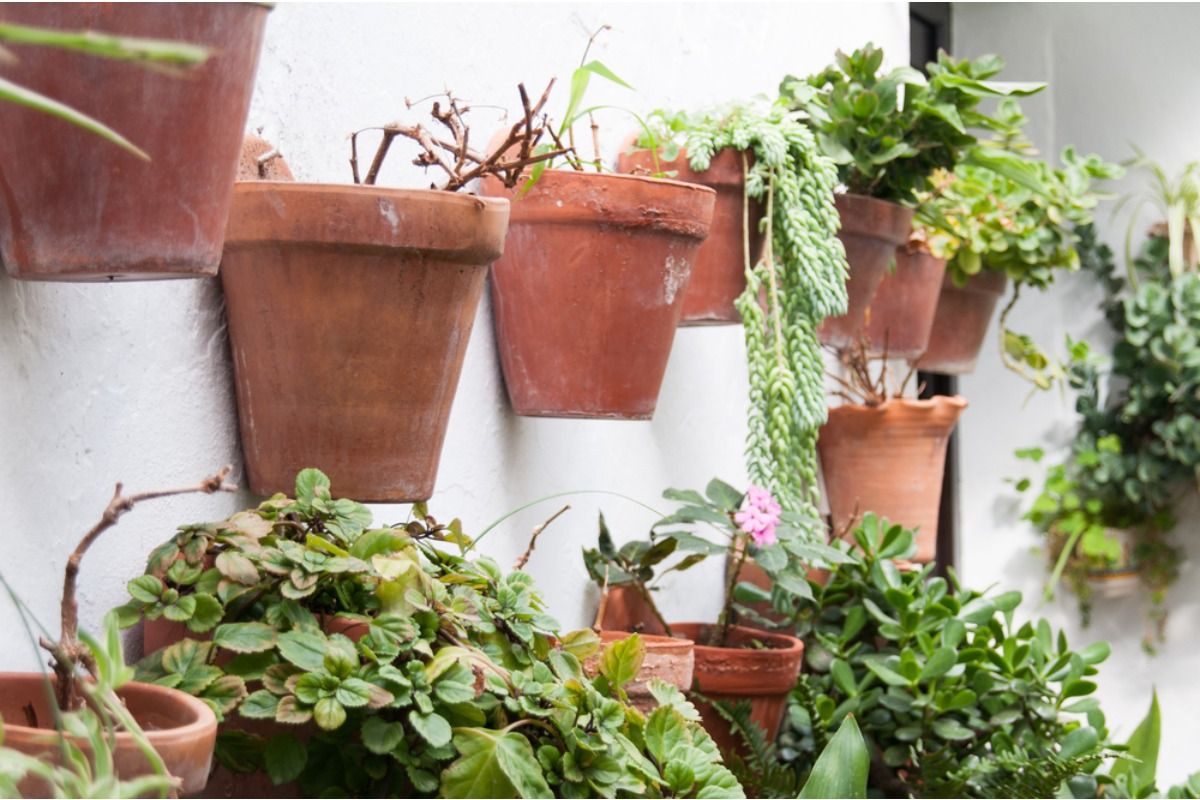
Wall-mounted planters and stacked systems are allowing people to grow food upward instead of outward. This makes use of space that would otherwise stay unused. Even narrow balconies or small patios can support multiple plants. The result is more growing capacity without needing extra ground space. Small homes gain new functionality.
Higher Plant Density Without Crowding the Floor
Vertical setups allow gardeners to grow more plants in a compact footprint. Instead of spreading pots across the floor, plants are layered vertically. This improves organization and keeps walkways clear. It also helps separate plant types more effectively. Space efficiency becomes a key advantage.
Better Light Exposure in Controlled Positions
When arranged vertically, plants can be positioned to receive more consistent light. Gardeners can adjust placement based on sun direction. This reduces shading between plants. Improved light access supports healthier growth. Even limited sunlight can be used more effectively.
Easy Access Improves Daily Care
Vertical gardens bring plants closer to eye level, making watering, pruning, and harvesting easier. This reduces strain and saves time. Problems like pests or nutrient issues are also noticed faster. Regular maintenance becomes simpler. Convenience encourages consistency.
Watering Systems Are Becoming More Efficient
Many vertical gardens now use drip irrigation or self-watering designs. These systems distribute moisture evenly across multiple levels. This reduces water waste and overwatering. It also keeps soil conditions more stable. Efficiency improves overall plant health.
Small Spaces Are Producing Noticeable Harvests
Even compact wall systems can produce herbs, leafy greens, and small vegetables regularly. While each plant may be small, combined output becomes significant. Many urban gardeners report steady weekly harvests. This reduces reliance on store-bought produce. Productivity surprises many beginners.
Aesthetic and Functional Benefits Combined
Vertical gardens also add a visual element to homes. Green walls improve indoor and outdoor appearance while serving a practical purpose. This combination makes them popular in urban settings. Function and design work together. Spaces feel more alive and useful.
Crop Choice Matters for Success
Not all vegetables perform equally well in vertical systems. Leafy greens, herbs, and small fruiting plants tend to do best. Larger crops may require stronger support or more space. Choosing the right plants improves results. Planning becomes an important step.
Maintenance Is Simpler Than Traditional Beds
Without large soil beds, tasks like weeding and soil turning are reduced. Maintenance focuses mainly on watering and pruning. This lowers overall effort. Systems are easier to manage over time. Gardening becomes more accessible for busy people.
Urban Gardening Is Becoming More Innovative
Vertical wall systems are part of a broader shift in how people grow food in cities. Space limitations are driving creative solutions. More households are experimenting with compact growing methods. Gardening is adapting to modern living conditions. Innovation is reshaping urban food production.
Vertical gardening is showing that even the smallest spaces can become productive food sources. By growing upward instead of outward, urban gardeners are turning walls into efficient and surprising sources of fresh vegetables.