What Gardeners Who Have Been Composting for Over a Decade Say Nobody Tells You About the First Two Years
When I first started composting, I imagined kitchen scraps and fallen leaves would magically turn into rich, dark soil within a few months. Every gardening book made the process sound simple enough that I assumed success was almost guaranteed. I built a compost bin in the corner of my backyard, filled it with enthusiasm, and waited for nature to do the rest.
Instead of producing beautiful compost, I spent the next two years making mistake after mistake without realizing it. Looking back after more than a decade of composting, I wish someone had warned me that the hardest lessons come long before the compost ever does.
The Pile Looked Busy but Nothing Was Happening
During the first few months, I proudly added every fruit peel, vegetable scrap, and handful of grass clippings I could find. The pile grew taller each week, which convinced me everything was working perfectly.
Then I noticed the oldest material looked almost exactly the same as the day I added it. Apple peels still looked like apple peels, and dry leaves barely changed. I finally realized that a growing pile and a working compost pile were two very different things.
An Unexpected Smell Changed My Confidence
One afternoon, I lifted the lid expecting to see rich soil forming underneath. Instead, I was greeted by an unpleasant odor that spread across the yard. I had been adding too many wet kitchen scraps without balancing them with dry materials. My excitement quickly turned into embarrassment because the smell drifted toward the neighboring patios. Suddenly composting did not feel nearly as effortless as I had imagined.
Turning the Pile Felt Like a Chore
Every experienced gardener recommended mixing the compost regularly, but I underestimated how important that step really was. I skipped turning the pile whenever life became busy, assuming it could wait another week. Those weeks slowly turned into months. Parts of the pile became compacted while other sections stayed completely dry. I learned that compost requires far more attention than simply tossing things into a bin.
The Weather Was Not the Biggest Challenge
I blamed every slow result on changing seasons and outdoor temperatures. Whenever decomposition stalled, I convinced myself the weather was responsible. Later I discovered the real problem was my own inconsistent routine. Some weeks I added too much green material, while other weeks I added almost nothing at all. The compost responded to my habits far more than it responded to the calendar.
Tiny Creatures Became My Best Teachers
The first time I noticed worms, beetles, and countless tiny insects inside the pile, I worried something had gone wrong. I almost removed them before reading that many of those creatures were actually helping break everything down. After that, I paid closer attention to what was happening beneath the surface instead of judging the pile by its appearance. The more life I found inside, the healthier the compost usually became. That completely changed how I viewed the process.
Patience Was Harder Than Gardening
Planting vegetables gave me visible progress almost every day. Composting offered the exact opposite experience. Weeks could pass without any obvious changes, making it feel like my effort accomplished very little. More than once, I considered giving up and buying bags of compost instead. Fortunately, curiosity kept me going long enough to see gradual improvements.
My Biggest Mistake Was Chasing Perfection
I constantly searched for the perfect ratio of materials, the perfect moisture level, and the perfect turning schedule. Every article seemed to recommend something slightly different. Whenever my pile failed to match those expectations, I assumed I was doing everything incorrectly. Over time I realized healthy compost can tolerate far more variation than beginners often believe. Consistency mattered much more than perfection.
Friends Thought the Bin Had Failed
Visitors occasionally looked inside my compost bin and politely asked if I planned to replace it. From the outside, it appeared messy and unfinished compared to the tidy raised beds surrounding it. Even I questioned whether the effort was worthwhile. Then one afternoon, I reached the center of the pile and found dark, crumbly material unlike anything I had seen before. That small section proved the process had been working all along.
The Second Year Finally Rewarded My Effort
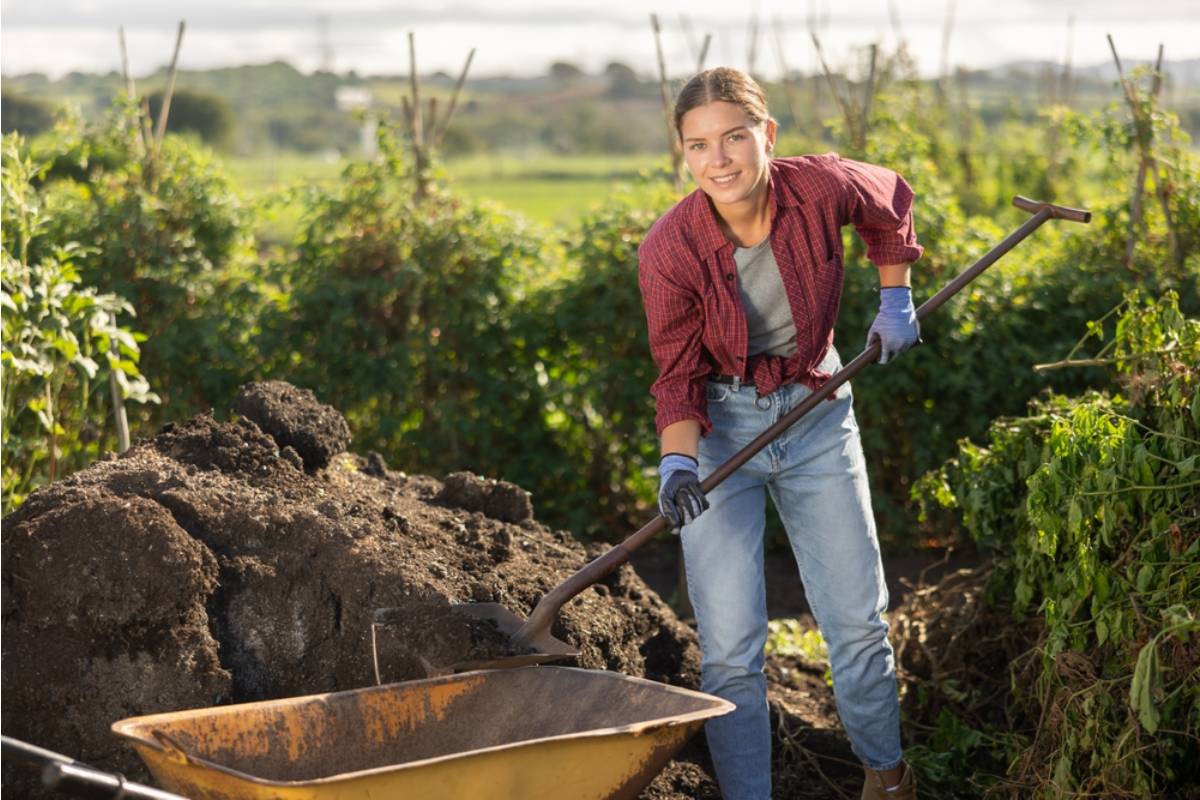
Something changed during the second growing season. Materials that once lingered for months suddenly disappeared much faster. The pile heated more consistently, moisture became easier to manage, and the finished compost developed a rich earthy smell. The habits that felt awkward during the first year had finally become routine. I stopped worrying about every small detail and trusted the process more.
The Garden Revealed What the Bin Could Not
The first time I spread homemade compost across my vegetable beds, I expected only minor improvements. Instead, my tomatoes grew stronger, my peppers produced longer into the season, and my flowers seemed noticeably healthier. The compost bin had quietly been creating something far more valuable than I realized. Seeing the results in the garden made every frustrating lesson worthwhile. It became obvious that the real success was happening outside the bin.
New Gardeners Asked the Same Questions I Once Did
As neighbors became interested in composting, they often apologized because their piles looked messy or seemed too slow. Their concerns sounded exactly like my own from years earlier. I found myself reassuring them that nearly everyone struggles during the beginning. Most problems came from unrealistic expectations rather than permanent mistakes. Those conversations reminded me how much confidence grows with experience.
Looking Back Changed My Advice Completely
If someone asks me today how to start composting, I spend less time talking about ingredients and more time talking about patience. The first two years teach observation, consistency, and persistence far better than any instruction manual can. Mistakes are not signs of failure but part of learning how your own compost system behaves. Every successful pile carries the memory of countless imperfect ones that came before it. After more than a decade, I no longer judge compost by how quickly it finishes but by how much it continues teaching me along the way.