Home Gardeners Are Experimenting With Multi-Layer Planting Systems, And Small Spaces Are Producing Unexpectedly High Yields
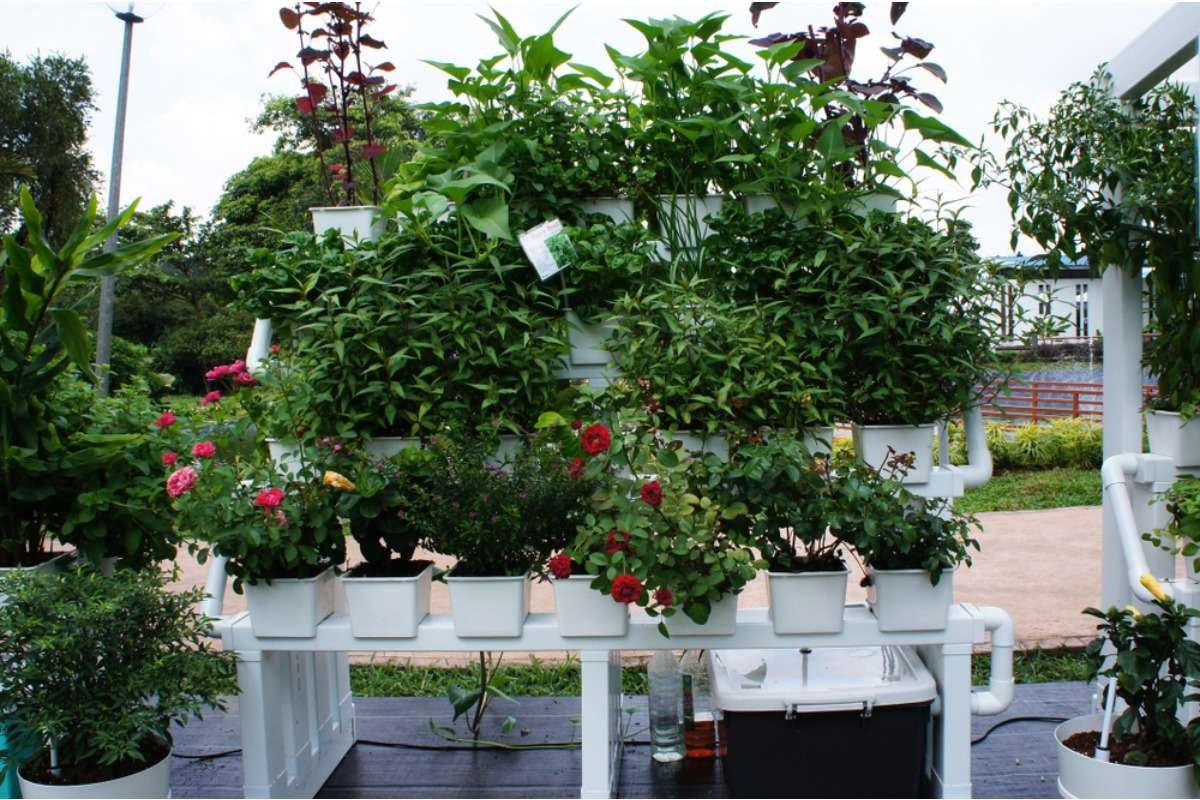
Home gardeners are experimenting with multi-layer planting systems, and many are discovering that even small spaces can produce surprisingly high yields when plants are arranged vertically and in tiers.
Space Is Being Used More Efficiently
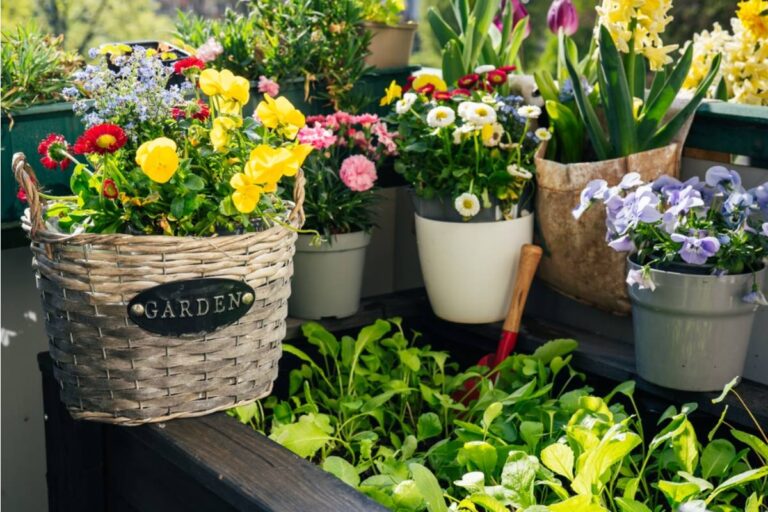
Instead of planting in a single flat layer, gardeners are stacking plants at different heights. Taller crops, mid-level plants, and ground cover are combined in one area. This allows more food to grow in the same footprint. Small gardens feel larger in productivity. Space is maximized creatively.
Plants Are Supporting Each Other’s Growth
In multi-layer systems, different plants can actually benefit one another. Taller plants may provide shade for sensitive crops below. Ground plants can help retain moisture and reduce weeds. This creates a more balanced mini-ecosystem. Growth becomes more interconnected.
Higher Yields From Smaller Areas
Gardeners are reporting more harvests from compact spaces compared to traditional single-layer planting. By increasing density thoughtfully, output improves. It’s not just about adding more plants, but arranging them smartly. Productivity increases without expanding land. Efficiency becomes the goal.
Better Use of Light and Shade
Sunlight is distributed more effectively when plants are layered. Sun-loving plants occupy top levels, while shade-tolerant ones grow below. This reduces wasted growing space. Light becomes a shared resource. Positioning plays a key role in success.
Water Retention Improves Naturally
Layered planting can help soil retain moisture longer by reducing direct sun exposure. Lower layers stay cooler and more protected. This can reduce watering frequency. Soil conditions become more stable. Microclimates form within the garden.
Pest Management Can Improve
Some gardeners find that mixing plant types helps reduce pest problems. Certain plants may repel insects or distract them from crops. Diversity can make pest control more natural. It reduces reliance on chemicals. Balance supports protection.
Planning Becomes More Important
Multi-layer systems require more thought before planting. Understanding plant height, growth speed, and compatibility is essential. Poor planning can lead to overcrowding. Structure is important for success. Design replaces randomness.
Learning Curve for Beginners
While effective, these systems can be challenging for new gardeners. It takes time to understand how different plants interact. Mistakes may happen early on. However, experience improves results quickly. Learning is part of the process.
Sustainability Becomes a Key Benefit
By producing more food in less space, multi-layer gardening supports more sustainable home growing. It reduces the need for larger plots or additional resources. Efficiency also means less waste. Sustainability improves naturally. Small spaces become more productive.
A Shift in Home Gardening Mindset
This trend reflects a broader move toward smarter, not larger, gardening. Instead of expanding space, gardeners are optimizing what they already have. Creativity is becoming more important than size. Productivity is being redefined. Small gardens are proving highly capable.
As more home gardeners adopt multi-layer planting systems, the focus is shifting toward maximizing yield through design and strategy, showing that even the smallest spaces can become highly productive food-growing environments.