Homeowner Says His Neighbor Has Been Letting Construction Runoff From a Home Addition Drain Directly Into His Koi Pond and Garden for Months
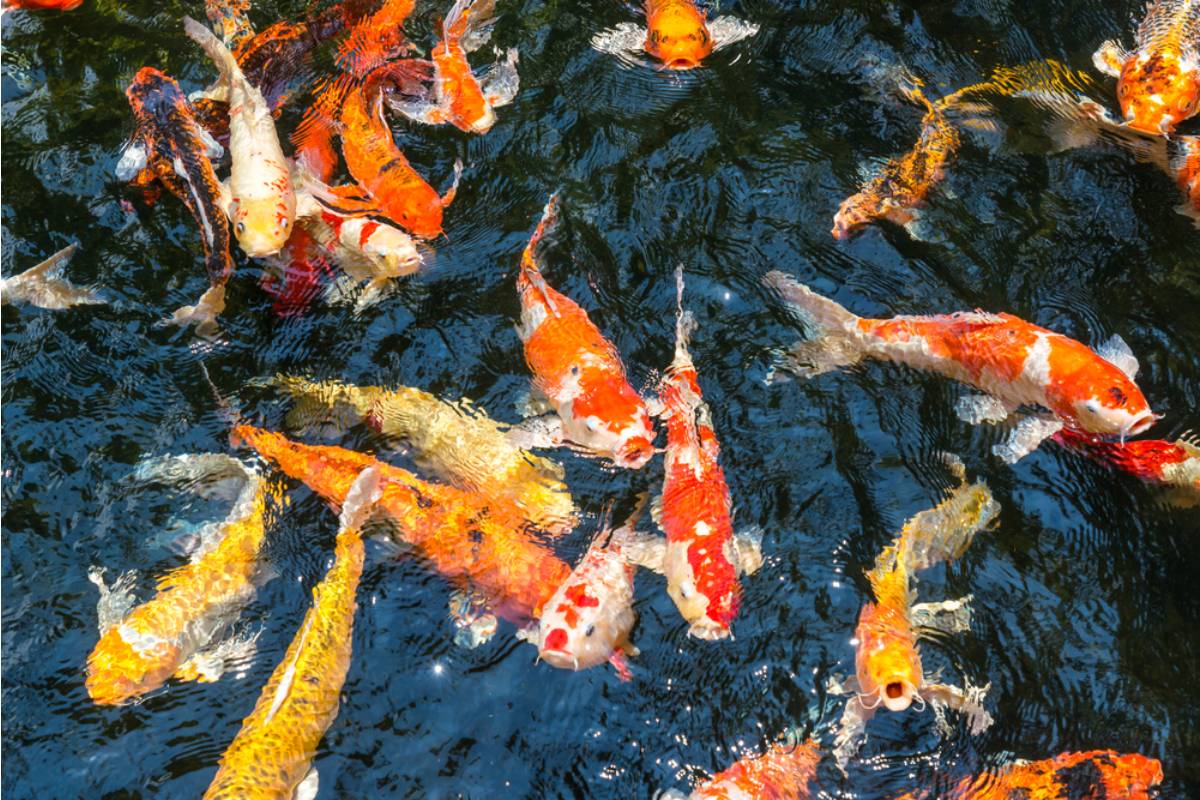
When I bought my home, the feature that convinced me to make an offer was the quiet backyard. Tucked behind a row of maple trees sat a koi pond that the previous owner had built by hand more than twenty years earlier. I spent my first summer restoring the filtration system, adding aquatic plants, and carefully introducing colorful koi until the pond became the centerpiece of the entire landscape.
Around it, I planted Japanese irises, ferns, hostas, and flowering shrubs that thrived in the moist soil near the water. Every evening after work, I would sit beside the pond and watch the fish glide beneath the lily pads, convinced I had finally created the peaceful retreat I had always wanted.
The Addition Next Door Begins
Late that spring, my neighbor, David, started building a large addition onto the back of his house. Dump trucks arrived with gravel, concrete, and lumber, while contractors worked from sunrise until late afternoon. Like everyone else on the street, I expected temporary noise and extra traffic.
David assured nearby neighbors the project would be finished in a few months. He also promised the crew would keep everything tidy and avoid disturbing surrounding properties.
Muddy Water Appears for the First Time
The first sign of trouble came after a moderate rain. Instead of clear water flowing through the small drainage channel between our properties, I noticed cloudy gray water moving toward my backyard. It slowly spread across the flower beds before reaching the edge of the koi pond.
At first I assumed it was ordinary soil washed loose during construction. I cleaned the pond filter and hoped the problem would disappear as the project progressed.
My Fish Start Behaving Differently
Within a couple of weeks, several koi stopped swimming near the surface when I approached with food. One fish that normally followed me around the pond spent most of its time hiding beneath the rocks.
The water also lost its usual clarity. Even after cleaning the filtration system, a fine layer of gray sediment continued settling across the pond floor.
The Garden Shows Signs of Stress
Around the same time, my irises began developing yellow leaves, and several hostas closest to the property line looked unusually weak. Plants that had thrived for years suddenly appeared as though they were struggling to survive.
I adjusted watering schedules and checked for pests, but nothing explained why only the area nearest David’s construction site seemed affected.
Following the Water
The next time it rained, I grabbed an umbrella and walked the length of the shared property line. What I discovered immediately explained everything.
Temporary trenches dug by the construction crew directed runoff straight toward my yard. Every puddle carrying cement dust, loose soil, and construction debris eventually emptied into the same low area feeding my pond and garden.
A Friendly Conversation Goes Nowhere
That evening I calmly explained what I had seen to David. He listened politely before saying construction sites always looked messy during heavy work. According to him, everything would return to normal once landscaping crews finished the project.
I asked whether the runoff could be redirected in the meantime. He promised to speak with the contractor, but nothing changed over the following weeks.
The Problem Gets Worse
Each rainfall brought another wave of muddy water. Small piles of sediment accumulated around the pond’s edge, and tiny pieces of insulation, sawdust, and gravel occasionally appeared among the flower beds.
The filtration system struggled to keep up. I found myself cleaning pumps almost every other day just to keep the water circulating properly.
A Neighbor Notices Something Important
One Saturday morning my next door neighbor on the opposite side stopped by while I was replacing a pond filter. She mentioned watching workers rinse concrete mixing equipment directly onto the exposed soil behind David’s addition.
According to her, the gray water flowed downhill every single time they finished cleaning their equipment. That information matched exactly what I had been seeing after each rain.
Calling in a Pond Specialist
Concerned about the health of the fish, I hired a local pond maintenance company to inspect the water. The technician collected samples, examined the filters, and carefully observed the koi.
He explained that repeated runoff containing fine construction residue could disrupt water quality over time. Even if individual storms seemed minor, months of contamination could create serious problems for both aquatic life and nearby plants.
Documenting Every Incident
Rather than continuing to rely on memory, I began photographing the runoff after every rainfall. I also kept notes showing when muddy water entered the pond, when filters required cleaning, and which plants showed visible decline.
The collection of photographs quickly revealed a pattern. Every storm produced the same stream of gray water flowing from the construction site into my backyard.
The Building Inspector Arrives
Eventually I contacted the city’s building department, not to stop the renovation, but to ask whether runoff controls should have been installed. A building inspector visited during the next rainy day so he could observe conditions firsthand.
Within minutes he watched cloudy water carrying sediment leave the construction site exactly as I had described. He quietly took photographs before speaking with the site supervisor.
An Unexpected Discovery
While inspecting the property, the building inspector noticed that temporary erosion barriers listed on the approved construction plan had never actually been installed. The contractor had apparently skipped several required protective measures to save time during the project.
David looked genuinely surprised when the inspector explained the missing safeguards. He admitted he had assumed the crew was following every approved requirement.
Making Things Right
Construction paused briefly while proper erosion controls, drainage barriers, and protective fabric were installed around the work area. Workers also removed accumulated sediment from the drainage path and redirected stormwater away from neighboring yards.
David apologized personally after realizing how long the runoff had been affecting my property. He admitted he should have investigated my concerns instead of assuming they were simply part of construction.
Watching the Pond Recover
Over the following weeks, the pond slowly returned to its normal clarity. The koi became more active, swimming eagerly toward the surface whenever I approached with food. Fresh green leaves replaced the damaged growth on many of the plants surrounding the water, and new blossoms appeared where I feared nothing would survive.
Seeing those small signs of recovery felt incredibly rewarding after months of frustration. Nature seemed determined to heal once the source of the problem finally disappeared.
A Backyard Worth Protecting
Today the addition next door is finished, and David often joins me beside the pond while we admire the koi gliding beneath the lilies. The difficult months taught both of us that good neighbors cannot rely on assumptions when construction affects shared spaces. A quick conversation followed by real action would have prevented nearly every problem we experienced.
Looking back, the greatest lesson had nothing to do with ponds or gardens. It was about paying attention when someone raises a concern before small issues quietly become major ones.
The pond remains the peaceful centerpiece of my backyard, not because problems never happened, but because they were finally addressed with honesty and responsibility. Every reflection shimmering across the water now reminds me that protecting what we value sometimes begins with simply making sure the runoff flows in the right direction.