A Neighbor Quietly Planted a Tree Outside Her House at 5 A.M., Then Her Family Took an Unexpected Side
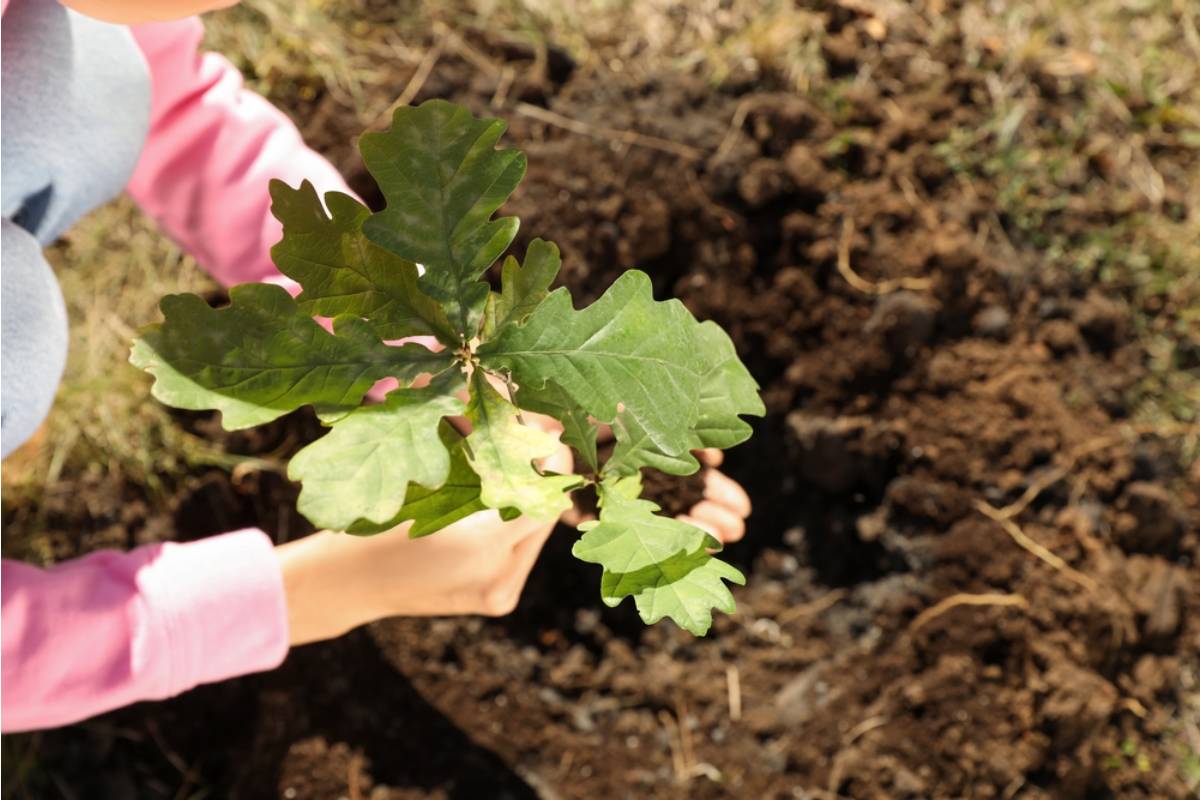
A person shared a story about a neighbor who apparently decided to plant a tree directly in front of their house without asking first. The timing made the whole thing even stranger because the planting happened around 4:30 or 5 in the morning, when most people would have been asleep rather than digging holes in a shared area.
The family had spent the previous day clearing and flattening the ground in front of their home. There were already several trees growing there, but they wanted to clean the area because the overgrown space had become difficult to manage and could attract snakes and other unwanted problems.
Her Mother Caught the Neighbor in the Act
The next morning, the person’s mother happened to notice the neighbor planting a tree right where they had been working. She asked the obvious question: had anyone given her permission to do this?
The neighbor apparently responded that she couldn’t move the tree at that moment because she had to leave for work. That answer only made the situation more confusing because the family had already objected to the idea the previous day.
The Tree Wasn’t Even on Either Neighbor’s Property
There was one major complication. The land where the tree had been planted did not belong to the person telling the story, but it apparently didn’t belong to the neighbor either.
That immediately turned the dispute into a strange property puzzle. If neither household owned the land, the person wondered whether the neighbor had any right to plant something there in the first place, especially without checking with whoever actually controlled the shared area.
The Timing Made It Feel Deliberate
Planting a tree in the middle of the night or very early in the morning would already be unusual. Doing it immediately after another family had spent hours clearing the same area made the timing feel much more personal.
The person believed the neighbor knew exactly what the family had been doing. In their view, this wasn’t simply someone deciding to improve the neighborhood with greenery. It felt like the neighbor had deliberately chosen the one spot the family had just cleared.
There Was Already Plenty of Greenery
Some people struggled to understand why the new tree was such a big deal. After all, trees provide shade, improve the environment, and can make a neighborhood look better.
But the person quickly explained that the family wasn’t against trees at all. There were already two fully grown trees beside their home that the family had planted and cared for themselves, so the argument wasn’t about hating greenery.
The Real Problem Was What They Had Just Cleared
The family had cleared the area for a reason. The overgrown space had become a concern because snakes and other things could hide in the vegetation.
So after spending hours flattening and cleaning the ground, discovering a freshly planted tree sitting right in the middle of it felt like watching someone undo their work before the dust had even settled. The tree itself wasn’t necessarily the enemy, but the decision to plant it there without permission certainly was.
One Response Suggested Letting the City Handle It
A more practical response from a person suggested contacting the relevant local authority rather than immediately pulling the tree out. If the land was genuinely public or communal, the local government or responsible department could determine whether the neighbor had permission to plant anything there.
That approach also had an important advantage: it kept the person from accidentally damaging someone else’s property. If the neighbor later claimed the tree had been destroyed, the family would have a much stronger position if they had already reported the situation.
Another Person Pointed Out the Awkward Irony
One response from a person highlighted an uncomfortable detail: the family themselves had apparently been clearing and flattening land they didn’t own.
That created a classic neighborhood dispute where neither side looked completely innocent. The person was frustrated that the neighbor had planted the tree without asking, while others pointed out that the family had also been altering the same land without necessarily having permission.
Then the Tree-Law Crowd Entered the Conversation
Several people suggested seeking advice from someone familiar with local tree and property regulations. They pointed out that the legality could depend heavily on exactly where the land was located and who was responsible for it.
That was especially important because the person was in India, not the United States. Some of the assumptions people initially made about sidewalks, city easements, and public strips of land simply didn’t apply cleanly to the situation.
The Word “Colony” Caused Its Own Confusion
The person described the neighborhood as a “colony,” which confused some people who were unfamiliar with the term in that context. They eventually explained that they meant a planned neighborhood or locality with houses surrounding a common open area.
That clarification helped explain why the land was neither directly owned by their household nor obviously owned by the neighbor. It was communal-looking space, but nobody seemed entirely sure who had authority over what could be planted there.
People Started Imagining Their Own Solutions
Once the story reached the part about the tree, some people immediately offered brutally simple solutions. One suggested removing the tree and leaving it at the neighbor’s door, while another joked about simply asking, “What tree?”
Others proposed everything from mowing it down to finding a mysterious “beaver” capable of making the problem disappear overnight. The suggestions became increasingly ridiculous, but they also showed how quickly a small neighborhood disagreement can turn into a competition for the funniest revenge idea.
A Few People Warned Against Touching It
Not everyone thought removing the tree was a good idea. One person specifically warned that if the tree belonged to the neighbor, damaging it could create legal trouble for the family.
Another suggested reporting the situation first and allowing the relevant authority to deal with it. That was probably the least dramatic option, but it also avoided turning an irritating planting dispute into a much bigger feud.
The Situation Was Already Getting Personal
The person added another important detail: the neighbors were considered somewhat violent. That changed the calculation considerably.
Pulling out the tree might have been satisfying, but if doing so could trigger another confrontation, it wasn’t necessarily worth it. What looked like an easy gardening job could quickly become a serious neighborhood conflict.
Then Something Completely Unexpected Happened
Just when it seemed the family would have to choose between fighting over the tree and accepting it, the situation took an unexpected turn. The person later returned with an update saying that the matter had been discussed.
And then came the twist: the woman’s own family apparently went against her.
The neighbor who had planted the tree no longer had the support needed to continue the dispute. Instead of the situation escalating into a tree-removal battle, the neighbor’s own relatives effectively took the wind out of her sails.
The Tree Dispute Ended Before It Became a War
The outcome was almost comically anticlimactic compared with the number of dramatic solutions people had suggested. There was no mysterious midnight tree removal, no police confrontation, and no revenge planting campaign.
Instead, a conversation and disagreement within the neighbor’s own family helped settle the matter. What had started with a surprise tree planted before sunrise ended with the person essentially getting the one thing they wanted all along: for the neighbor to stop making unilateral decisions about the shared space.
The Biggest Lesson Was Surprisingly Simple
The strangest part of the story wasn’t even the tree. It was how quickly a shared piece of land became a source of competing assumptions about who had the right to decide what happened there.
The family wanted to clear it, the neighbor wanted to plant it, and neither appeared to have a straightforward ownership claim. In the end, the argument wasn’t really about whether trees were good or bad. It was about whether one neighbor could simply decide that a communal-looking space belonged to her personal gardening plans.
The Unexpected Ending Changed Everything
The person had started the story furious that someone had planted a tree directly in front of their home after being told no. By the end, however, the biggest surprise wasn’t what happened to the tree but who ended up taking the other side.
The neighbor’s own family apparently disagreed with her, bringing the bizarre early-morning gardening mission to a much quieter conclusion. After all the talk of city officials, legal rights, tree laws, and imaginary beavers, the ultimate solution came from the least expected place: her own family telling her she had gone too far.