Gardener Says She’s Been Growing the Only Fig Tree on the Block for a Decade, Then Her Neighbor Planted One Six Inches From the Property Line to “Even Things Out”
For nearly ten years, the fig tree in my backyard had been part of my daily routine. I planted it as a tiny sapling after my grandmother gave me a cutting from the tree she had grown for decades. It survived harsh winters, summer droughts, and more than one season when I thought it might never recover.
Every year it rewarded my patience with sweet fruit that I shared with friends, neighbors, and anyone curious enough to try fresh figs for the first time. I never imagined that the tree everyone admired would eventually inspire the strangest neighborhood rivalry I had ever experienced.
The Tree Becomes a Local Favorite
As the branches matured, the fig tree became impossible to ignore. Children walking home from school often asked why the leaves looked different from every other tree nearby. Several neighbors stopped by each harvest season hoping to trade tomatoes, cucumbers, or homemade jam for a basket of fresh figs.
I enjoyed those conversations because gardening had always been about sharing rather than competing. The tree brought people together in a way I never expected.
A New Family Moves Next Door
Everything changed after a young couple moved into the house beside mine. They seemed friendly during the first few weeks, introducing themselves and complimenting the landscaping. The husband, Eric, especially admired the fig tree and asked several questions about how long it had taken to produce fruit.
I happily answered every question. At the time, I assumed he was simply curious about growing fruit trees.
A Conversation Takes an Odd Turn
One evening Eric leaned over the fence while I was watering the vegetable beds. He laughed and said it hardly seemed fair that my side of the property enjoyed all the figs while his family had none.
I smiled and reminded him that he was always welcome to ask for fruit during harvest season. Instead of laughing with me, he replied, “I’d rather have my own.”
Measuring Along the Fence
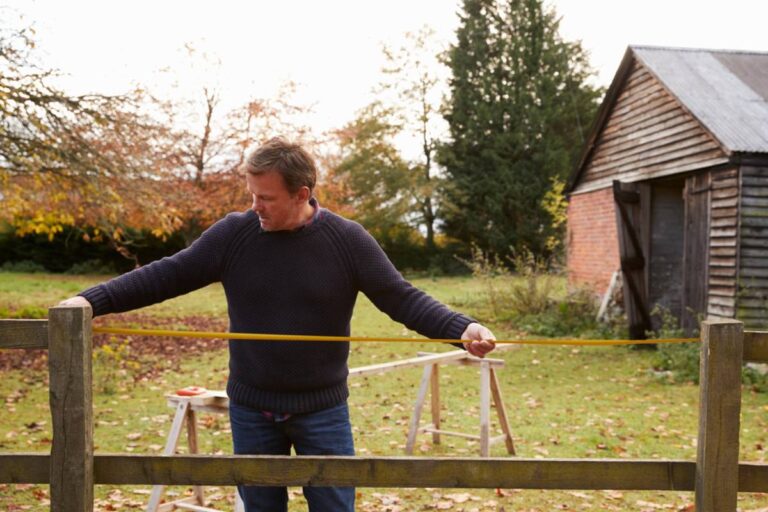
The following weekend I noticed Eric walking the length of the shared property line with a tape measure. He placed small landscaping flags every few feet before writing notes on a clipboard. Curious, I asked what project he was planning.
He casually mentioned planting a fig tree of his own. Then he pointed to a spot only inches from the fence and said that location received perfect afternoon sunlight.
A Planting That Made No Sense
A few days later I returned home and saw a young fig tree standing almost directly against the property line. I could hardly believe how close it had been planted. The trunk sat roughly six inches from the fence, leaving almost no room for future growth.
I politely suggested moving it while it was still young. Eric shrugged and insisted it would be fine because he planned to prune it regularly.
The First Signs of Trouble
By the end of the growing season, the little tree appeared healthy enough, but several branches had already begun leaning toward my yard. The fence limited its natural growth pattern, forcing new shoots into awkward angles.
Meanwhile, the roots were beginning to compete with the flowers growing along my side of the border. Plants that had thrived for years suddenly looked weaker than usual.
Advice That Falls on Deaf Ears
Rather than arguing, I invited Eric over to look at gardening books explaining the mature size of fig trees. I even showed him photos of my own tree when it was only a few years older than his.
He dismissed every example. According to him, modern pruning techniques would prevent any future problems. It became clear he had already decided he knew better.
The Harvest Competition Begins
The following summer Eric proudly announced that his young tree had produced a handful of figs. Instead of simply enjoying the milestone, he joked that he would soon have a better tree than mine.
At first I laughed because the comment sounded playful. Before long, however, nearly every conversation turned into a comparison between our gardens.
A Branch Crosses the Fence
During the third growing season after planting, one of Eric’s larger branches pushed directly through the fence slats into my yard. It rubbed against my grandmother’s old fig tree every time the wind picked up, scraping bark from both trees.
I mentioned the issue several times, hoping he would trim the branch. Weeks passed without any action.
An Arborist Sees the Bigger Picture
Rather than continuing the disagreement, I hired a certified arborist to inspect my mature tree before the next pruning season. After examining both trees, he explained that the younger fig had been planted far too close to the property line for its expected size.
He also warned that the roots of two fig trees growing so closely together could eventually create ongoing maintenance issues for both properties. His opinion confirmed exactly what I had worried about from the beginning.
The Survey Changes Everything
Around the same time, another neighbor hired a surveyor for an unrelated fence project. Since the survey crew was already working nearby, I decided to confirm my own property markers.
The updated measurements revealed something surprising. Eric’s fig tree was not merely close to the line. Part of the trunk had actually been planted inside the easement area reserved for fence maintenance, leaving almost no practical access between the properties.
A Difficult Neighborhood Discussion
Once Eric saw the survey documents and arborist’s report together, he finally realized the problem had become larger than a simple disagreement between neighbors. Several nearby homeowners who had followed the situation encouraged both of us to find a practical solution before the tree matured further.
Nobody wanted years of conflict over a decision that could still be corrected while the tree remained relatively small.
A Better Place for the Tree
After thinking it over for several days, Eric surprised me by renting a tree spade from a local landscaping company. With professional help, he carefully relocated the fig tree to the center of his backyard where it finally had room to spread naturally.
The move required patience and careful watering, but the young tree survived the transplant much better than either of us expected.
Sharing the Harvest Instead of Competing
The following season both fig trees produced healthy crops. This time Eric walked over carrying a basket from his own harvest and laughed about how stubborn he had been. I responded by handing him a jar of homemade fig preserves made from my grandmother’s recipe.
Instead of comparing whose tree was better, we exchanged growing tips and discussed ways to improve next year’s harvest. The rivalry quietly disappeared.
Two Trees, One Lesson
Today both fig trees stand healthy and productive, each thriving in a place where they have room to grow. Neighbors still stop by during harvest season, but now they often leave with fruit from two different backyards instead of one. Children still ask questions about figs, and both families happily share the answers.
Looking back, the conflict had very little to do with fruit trees. It was really about pride, assumptions, and the temptation to turn admiration into competition. Gardens flourish best when they have space, patience, and thoughtful planning.
The same is true for good neighbors. Once Eric stopped trying to match what I had built and started growing something of his own in the right place, both our trees and our friendship had the chance to thrive for many seasons to come.