Gardener Says Her Roommate Eats Directly From the Garden Without Ever Contributing to Seeds, Soil, or Water
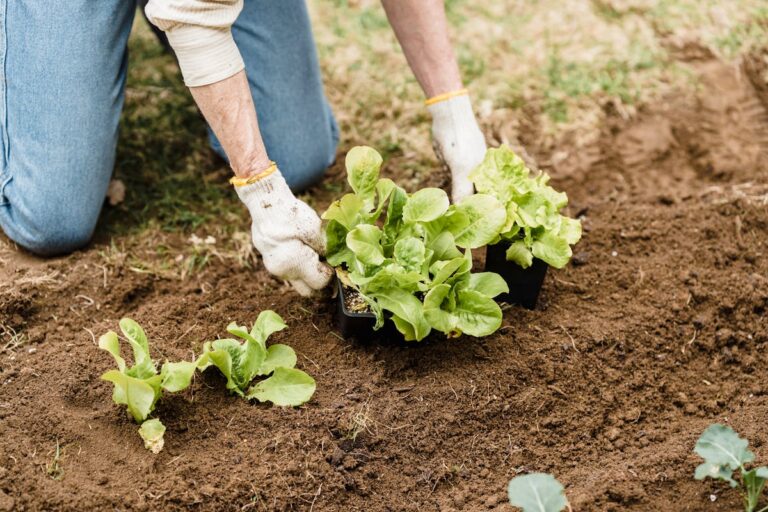
When Chloe moved into a shared rental house in Colorado, she made it clear from day one that the backyard garden was her personal project. She had spent months building raised beds, testing soil mixes, and choosing crops that could survive unpredictable weather.
Her roommate, Ryan, seemed supportive at first and even helped carry supplies from her car. The arrangement worked smoothly for the first few weeks, with Chloe handling all planting and maintenance. But once the vegetables started growing, something in the dynamic quietly shifted.
The first missing tomato
Chloe noticed the first missing tomato on a Tuesday evening after work. She assumed it had been picked early by accident or maybe knocked off by wind. The next day, two more were gone, both fully ripe and clearly ready for harvest. Ryan casually mentioned making a sandwich earlier, but did not specify where the tomato came from. Chloe said nothing at the time, but she made a mental note that the timing felt too convenient.
A pattern begins to form
Within a week, more produce started disappearing at uneven intervals. Cherry tomatoes, cucumbers, even herbs clipped cleanly from their stems without warning. Ryan never asked before taking anything and never mentioned replacing or contributing to the garden. Chloe began keeping a small notebook to track what was harvested and when. The pattern became impossible to ignore, especially when harvests always seemed to line up with Ryan’s cooking schedule.
The watering responsibility question
One evening Chloe directly asked Ryan if he had watered the garden while she was away for a weekend trip. Ryan replied that he thought the garden “mostly took care of itself.” Chloe explained that raised beds needed consistent attention, especially during dry stretches. Ryan nodded but changed the subject quickly to dinner plans. That was the moment Chloe realized they had completely different understandings of shared responsibility.
A confrontation over breakfast
Chloe finally brought up the missing produce during breakfast one morning. Ryan laughed lightly and said it was just food growing outside and not something to overthink. Chloe responded that she had paid for seeds, soil, fertilizer, and irrigation supplies out of her own pocket. Ryan shrugged and said he assumed sharing a house meant sharing everything outside as well. The conversation ended with both of them finishing their meals in silence.
Garden tools start disappearing
After the argument, Chloe noticed small tools missing from the shed. A pair of pruning shears, a hand trowel, and even a watering can were not where she left them. She later found some of them in the kitchen drawer mixed with cooking utensils. When she asked Ryan about it, he said it was just more convenient to keep them inside. Chloe began locking the shed, which was something she had never expected to do in her own home.
A neighbor offers unexpected information
While talking to a neighbor over the fence, Chloe learned that Ryan had been seen harvesting from the garden even when she was not home. The neighbor assumed it was a shared project because of how often Ryan was outside picking vegetables. Chloe realized her roommate had created the impression that he was equally responsible for the garden. That misunderstanding made her feel like the boundaries she set were already being blurred outside the house.
The irrigation timer is changed
Chloe discovered that the irrigation timer had been adjusted without her knowledge. The watering schedule had been shortened, causing some plants to dry out faster than usual. Ryan admitted he changed it because he thought the garden was getting “too much water.” Chloe explained that different crops had different needs and the system was carefully calibrated. Ryan responded that he was just trying to be helpful, which did not ease her frustration.
First plant damage appears
A few days later, Chloe found several plants damaged near the edges of the beds. Stems were snapped, and leaves were partially stripped as if picked without care. Ryan claimed he might have bumped them while grabbing herbs. Chloe noticed the damage mostly happened near the most productive sections of the garden. It felt less like accidental harm and more like careless harvesting.
A shared grocery moment changes nothing
Chloe suggested that Ryan buy groceries using the money he saved from eating the garden produce. Ryan said it made more sense to use what was already available instead of spending extra. Chloe pointed out that nothing about the garden was actually shared ownership. Ryan replied that they both lived in the same space, so it naturally felt communal. The disagreement ended without resolution, but the gap between their perspectives widened.
Chloe installs a small camera
After repeated incidents, Chloe set up a small motion camera pointed toward the garden. She did not tell Ryan immediately because she wanted to confirm what was happening. The footage later showed Ryan casually picking vegetables at different times of the day without hesitation. There was no sign of confusion or mistake in his actions. Chloe felt more frustrated watching the pattern than she had in real time.
The roommate defense turns personal
When confronted with the footage, Ryan insisted he never meant any harm. He argued that food grown in shared space should be available to both of them without restriction. Chloe responded that contribution matters when something requires ongoing work and investment. Ryan accused her of treating the garden like a business instead of a home project. The argument escalated quickly before both retreated to their rooms.
A temporary boundary is set
Chloe decided to install a simple rule system on the garden fence explaining what was and was not available for picking. Ryan initially ignored it but later began following it loosely. Chloe still noticed occasional missing items but far fewer than before. The garden slowly regained some structure, though trust did not fully return. Both of them avoided discussing the issue directly after that.
A final unexpected shift
One evening Ryan left a small envelope on the kitchen counter with money inside and a short note. It said he did not fully understand gardening responsibility at first but was willing to contribute moving forward. Chloe did not respond immediately but noticed he had started watering the beds more consistently. The garden was no longer treated as free food or personal property alone. It became a negotiated space, still imperfect but finally acknowledged by both sides.