Homeowner Says His Backyard Vegetable Garden Is Now Producing More Than His Family Can Eat, But Neighbors Who Complained About the “Mess” Are Now Asking for Free Bags
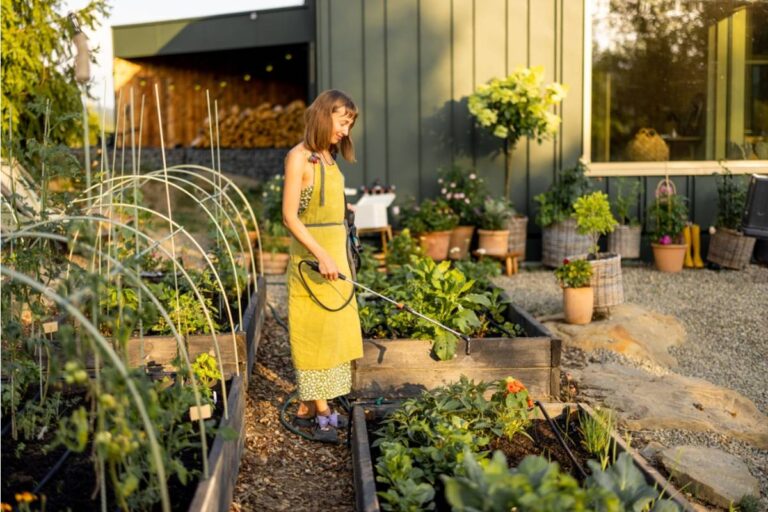
In a suburban neighborhood in Ohio, Daniel started a small backyard vegetable garden as a way to cut grocery costs and spend more time outdoors. What began as a few raised beds quickly turned into a highly productive space producing more vegetables than his family could realistically consume.
Tomatoes, zucchini, cucumbers, and peppers began overflowing every week. At first, neighbors complained that the garden looked “messy” compared to neatly trimmed lawns. But as the harvest grew, the same neighbors began changing their attitude in unexpected ways.
The garden that started as a small experiment
Daniel initially built just two raised beds behind his house using leftover wood and basic soil mix. He planted a few tomato and cucumber seedlings just to see how they would do. The first season exceeded his expectations, with plants growing faster than he anticipated. He expanded the beds the following spring. By the second year, the garden had doubled in size.
The first complaints about appearance
A few neighbors mentioned that the garden looked unkempt compared to traditional lawns. One resident said it made the backyard “look like a farm instead of a neighborhood.” Daniel was surprised because everything was organized and well maintained. He trimmed edges regularly and kept pathways clear. Still, the perception issue remained.
A surprisingly large harvest season begins
That summer, the plants produced far more food than Daniel’s family could consume. Tomatoes ripened in clusters, and zucchini grew faster than they could be picked. He began filling baskets every few days. His kitchen counters were constantly covered with fresh produce. It quickly became clear that the garden was operating at a surplus level.
The first attempt to share produce
Daniel decided to offer extra vegetables to neighbors who had previously commented on the garden. He placed small baskets at the edge of his driveway with a sign offering free produce. At first, people were hesitant to take anything. But within a few days, a few neighbors started picking up items. The situation began to shift.
The same neighbors begin taking more interest
Some of the earlier critics started stopping by more frequently to check what was available. Daniel noticed that the baskets were emptying faster than expected. What began as occasional sharing turned into regular visits. He did not mind at first and continued refilling the supply. The dynamic between him and his neighbors began to change.
A request for specific vegetables
One neighbor asked if Daniel could set aside certain items like tomatoes and peppers for them. Another asked if he could bring extra cucumbers when available. Daniel agreed occasionally but could not guarantee consistency. The garden output was still unpredictable despite its abundance. Managing expectations became increasingly difficult.
The sense of entitlement begins to grow
After a few weeks, some neighbors began showing up without asking and taking larger portions. Daniel noticed that the baskets emptied almost immediately after refilling them. He started feeling that the sharing arrangement was becoming one sided. What was meant as generosity started feeling like obligation. The situation became uncomfortable for him.
A conversation about boundaries
Daniel spoke with one neighbor and explained that the garden was not a store with unlimited supply. He said he was happy to share but could not support regular demand. The neighbor responded that since there was so much produce, it seemed reasonable to take more. Daniel disagreed, emphasizing that it was still his personal garden. The conversation ended without clear resolution.
A temporary pause in sharing
Frustrated, Daniel stopped placing produce baskets outside for a short period. During that time, the garden continued producing at the same high rate. He began donating some excess to a local food pantry instead. Neighbors noticed the absence of free baskets and started asking what had changed. The shift created noticeable tension.
Neighbors return with new expectations
Some of the same people who previously complained about the garden’s appearance began asking when the free produce would return. Daniel was surprised by the change in attitude. He reminded them that sharing had always been optional. A few neighbors suggested he restart the baskets regularly. He declined, saying it was not sustainable as a system.
A compromise suggestion emerges
One neighbor suggested setting a weekly pickup schedule to avoid constant visits. Daniel considered it but worried it would still create pressure on supply. He agreed to occasional sharing but not a fixed system. The arrangement remained informal. Expectations, however, continued to differ.
The garden continues overflowing
Despite the disagreements, the garden remained extremely productive throughout the season. Daniel’s family kept what they needed and distributed the rest carefully. Some neighbors accepted the change, while others remained disappointed. The earlier criticism about appearance faded as the usefulness of the garden became more obvious. What had once been called messy was now quietly acknowledged as valuable, even by those who had complained.